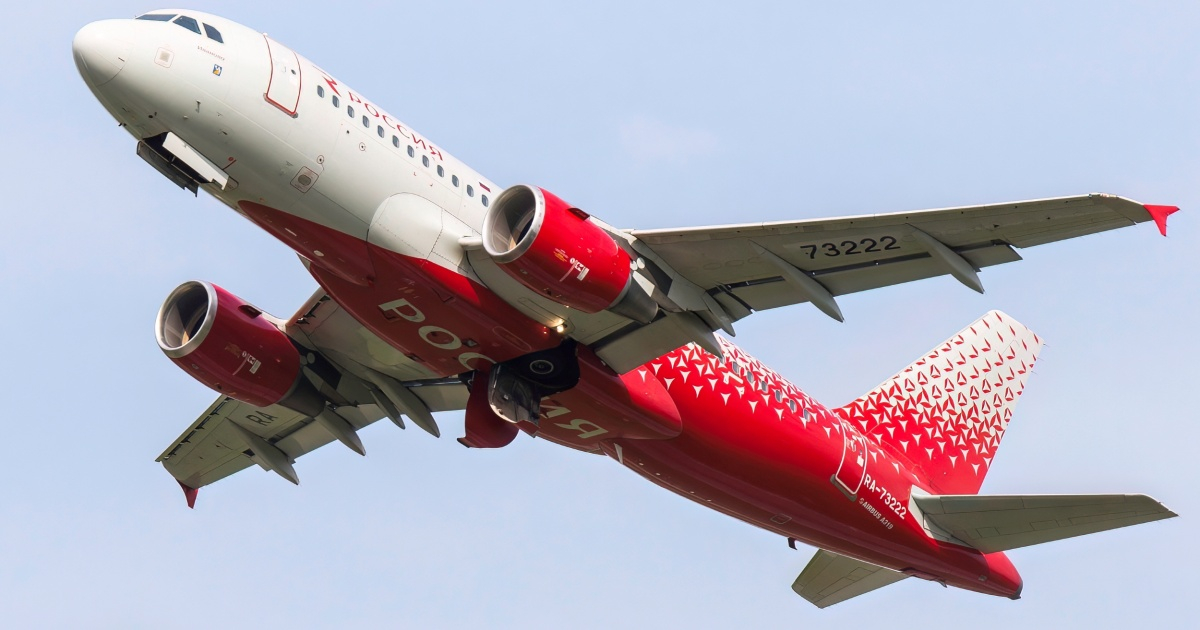
The Russian Foreign Ministry reaffirmed on Monday that restarting direct flights to Cuba remains a topic of bilateral discussion. However, their return is contingent upon Cuba ensuring operational technical and logistical conditions, as stated by Alexandr Schetinin, the director of the Latin American Department at the Russian Ministry of Foreign Affairs.
Schetinin elaborated that resuming these air routes specifically demands secure systems for refueling Russian aircraft with Jet A-1 fuel at Cuban airports or other intermediary locations. Without these specific operational assurances, no flight connections can be reestablished.
This stance from Russia isn't new. Back in late August, Transport Minister Andrei Nikitin emphasized the same requirement during an interview with RIA Novosti: "As soon as the aviation kerosene situation is fully normalized, we can promptly resume the entire flight schedule."
The underlying issue is that such normalization has yet to occur. Russian airlines Rossiya and Nordwind halted their regular flights in February after realizing Cuba couldn't ensure the supply of Jet A-1 at its international airports. Aeroflot completely suspended its regular connections on the 24th of the same month. Between February 13 and 22, both companies coordinated nine special repatriation flights from Varadero, Havana, Holguín, and Cayo Coco to return nearly 4,300 stranded Russian tourists back to Moscow.
Cuba's Fuel Crisis and Its Impact on Tourism
The fuel shortage remains unresolved. From August 31 to October 1, NOTAMs (Notice to Airmen) highlighted the unavailability of Jet A-1 in ten Cuban international airports, ranging from José Martí in Havana to Vilo Acuña in Cayo Largo. The expiration of these notices on October 1 was not followed by any official announcement regarding the restoration of fuel supply.
Cuba's Energy and Mines Minister, Vicente de la O Levy, admitted in May the gravity of the situation: "We have absolutely no fuel oil or diesel. Our reserves are depleted."
The tourism sector has been severely affected. Russia was previously the second-largest source of visitors to Cuba, with nearly 132,000 tourists in 2025. However, this number plummeted to just 249 Russian travelers in March of this year, compared to over 7,300 arrivals in February before the flight cancellations.
Broader Implications of the Energy Crisis
The overall outlook for the tourism industry is bleak. From January to August 2026, Cuba hosted only 450,353 international visitors, marking a 64.4% decrease compared to the same period in 2025. In August alone, just 30,490 tourists arrived, compared to approximately 133,000 in the same month the previous year.
Russia is not the only country affected. At least eleven airlines ceased operations to Cuba in 2026, including Air Canada, Air Transat, WestJet, Air France, Iberia, LATAM Peru, and Turkish Airlines. According to Infobae, this left at least five countries without direct connections to the island due to the energy crisis.
Both Moscow and Havana are exploring the possibility of refueling aircraft during intermediate stops to avoid relying on a single supply point. However, until Cuban authorities announce a genuine normalization of Jet A-1 availability, the flight route between Moscow and Havana will remain indefinitely suspended.
Understanding the Aviation Fuel Crisis in Cuba
Why are Russian flights to Cuba suspended?
Russian flights to Cuba are suspended due to the inability of Cuban airports to supply Jet A-1 aviation fuel, which is necessary for the safe operation of Russian aircraft.
How has the fuel shortage affected tourism in Cuba?
The fuel shortage has drastically reduced the number of international visitors to Cuba, severely impacting the tourism industry, which saw a significant drop in arrivals, particularly from Russia.
What solutions are being considered to resume flights?
Moscow and Havana are considering refueling aircraft during intermediary stops to avoid depending solely on Cuban airports for fuel, but flights will remain on hold until fuel supply issues are resolved.