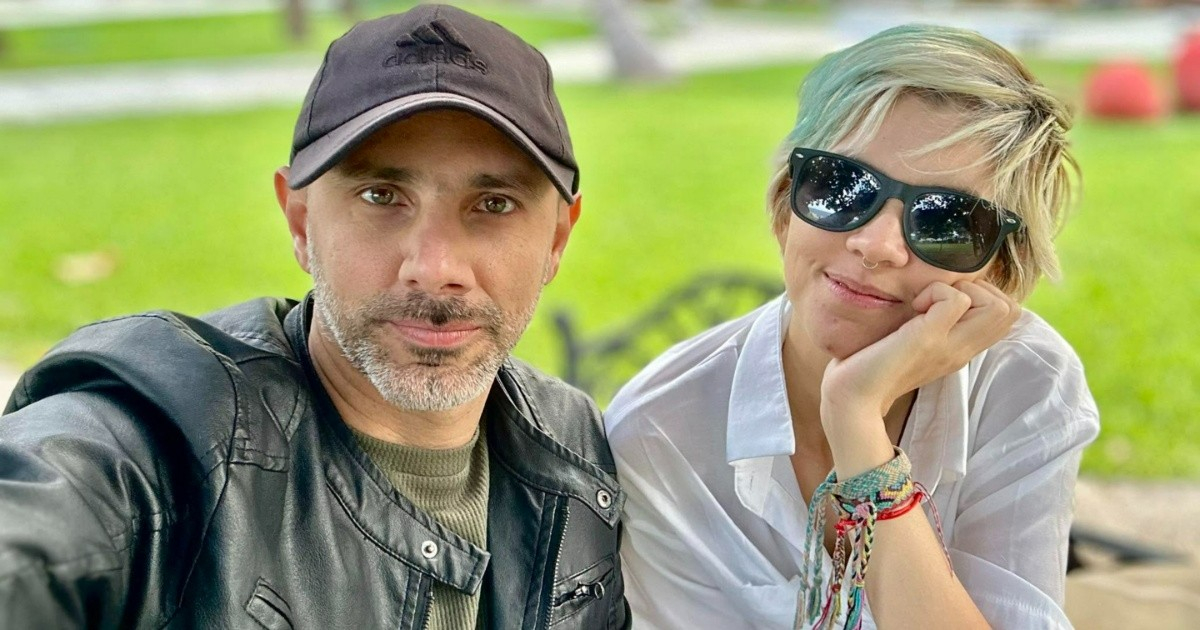
On Sunday, Alejandra García, the partner of Henry Constantín, the director of La Hora de Cuba, shared insights into the journalist's mental state as he endures over two weeks in pretrial detention at the maximum-security facility Kilo 7 in Camagüey.
"He remains calm and is steadfast in his beliefs and convictions," García told Martí Noticias.
Constantín was detained on September 16 after responding to a verbal summons at a National Police unit in Camagüey. The formal charge is "disobedience," linked to a migration summons from September 9, which authorities claim he did not attend.
However, Constantín posted on the same day that he did visit the Vista Hermosa Immigration office, only to find the agents absent, and he was informed that he would receive a new summons.
García disputes the official narrative and ties the incarceration directly to her partner’s work: "Ultimately, it's a way to exert pressure because he dares to speak the truth, because he fights for his beliefs, and for a free Cuba."
The family is awaiting a response this Tuesday regarding the complaint filed about the request to change his precautionary measures. "He is waiting to hear whether the complaint for a change in precautionary measures will be accepted," García noted, adding that according to the defense attorney, the trial might happen soon, though no date has been set.
The journalist has also conveyed messages to the outside world through his partner. In one message, he stated, "I am calm and remain resolute." García expressed his gratitude as well: "He deeply appreciates the support and concern for his family."
Both the family and the La Hora de Cuba team have made a public appeal to keep his case from fading from public view. "We urge that his case continues to be visible and not just another statistic," García emphasized.
The arrest has sparked widespread international condemnation. Reporters Without Borders demanded the journalist's immediate release and documented that this is at least his 19th detention linked to his journalistic work. The Cuban Institute for Freedom of Expression and Press has recorded 26 violations against Constantín between December 2024 and September 2026, including eight arbitrary detentions. Christian Solidarity Worldwide and Civil Rights Defenders have also called for his release.
Juan Pablo Segura, the U.S. Deputy Assistant Secretary of State for Western Hemisphere Affairs, criticized the incarceration in late September: "The Cuban regime unjustly detained independent journalist Henry Constantín simply for reporting the truth and exposing abuses." Segura added that "the Trump administration will continue to denounce the heinous crimes of this dictatorship, hold them accountable, and support the Cuban people, who deserve freedom from tyranny."
This statement is part of a broader Washington campaign for arbitrarily detained individuals in Cuba, including similar calls for opposition figure Félix Navarro, musician Maykel Osorbo, and activist Saylí Navarro.
Constantín, who has been barred from leaving Cuba since 2019, was unable to travel to Stockholm last May to accept the "Civil Rights Defender of the Year 2026" award presented to La Hora de Cuba by Civil Rights Defenders. Cuba ranks 160 out of 180 countries in Reporters Without Borders' press freedom index.
Key Questions About Henry Constantín's Detention
Why was Henry Constantín arrested?
Henry Constantín was arrested on charges of "disobedience" related to a migration summons he allegedly did not attend.
What is the international reaction to Constantín's detention?
The detention has been widely condemned internationally, with organizations like Reporters Without Borders and civil rights defenders calling for his immediate release.
How has the U.S. government responded to the situation?
The U.S. government, through Juan Pablo Segura, has condemned the Cuban regime's actions and expressed support for freedom and accountability.