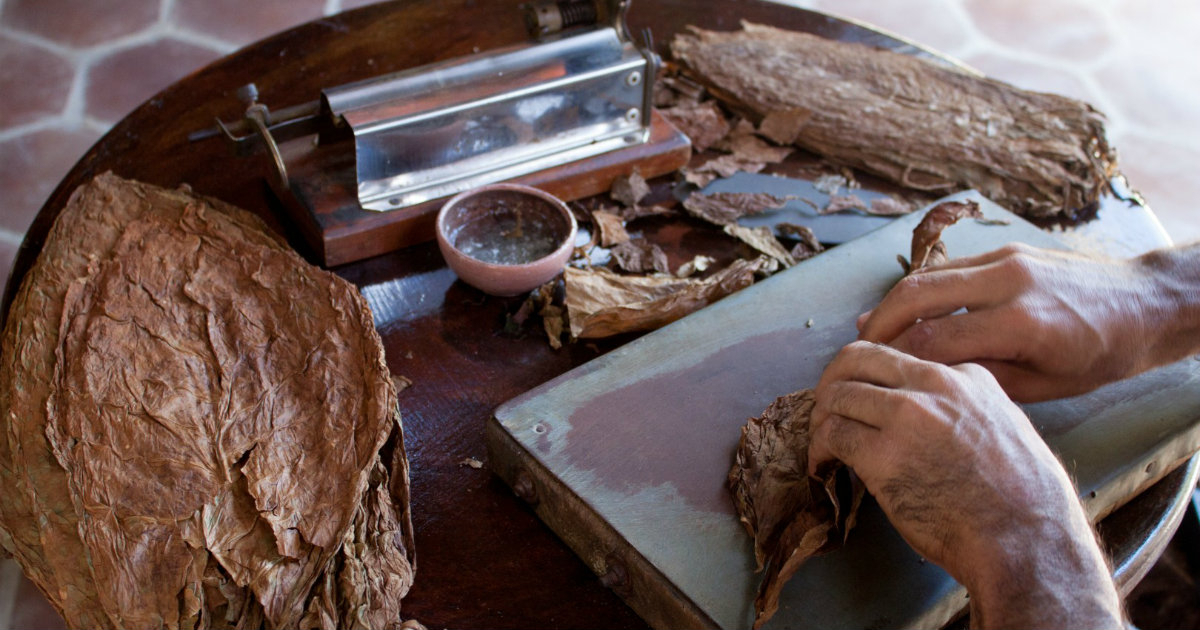
After more than three decades of business in Cuba, British American Tobacco (BAT), one of the world's largest tobacco companies, has decided to exit the Cuban market by selling its 50% stake in Brascuba Cigarrillos S.A. This joint venture was responsible for producing well-known brands such as Popular, Cohiba, H. Upmann, and Romeo y Julieta on the island.
Transaction Details and Financial Impact
Although the sale was finalized back in February 2026, it has recently come under the spotlight due to BAT's financial reports and an investigative piece by the German portal Kubakunde. The half-year financial report for the period ending June 30 confirms that BAT agreed to sell its stake to Tabagest S.A., a Cuban-registered company that was already a shareholder in Brascuba.
The report, which was also submitted to the United States Securities and Exchange Commission (SEC), details that the transaction was completed in February, leading to the Cuban operations being removed from BAT's consolidated financial statements. The withdrawal resulted in a net loss of £12 million for BAT, which includes £4 million in previously recognized currency losses.
Regional Business Implications
BAT's financial documentation acknowledges the regional business impact of pulling out of Cuba. While revenues from combustible products grew in markets such as Turkey, this was partly offset by "the exit from Cuba." However, the documents do not disclose the exact price paid by Tabagest for BAT's shares. According to Kubakunde, the agreed price was around $25 million, with an additional $35 million related to the transfer of outstanding commercial credits to BAT's subsidiaries in Brazil.
The German outlet also mentions that BAT had previously written down approximately £231 million in assets associated with Brascuba. The public documents do not clarify who ultimately controls Tabagest S.A., only identifying it as a Cuban-registered company and a pre-existing shareholder in Brascuba. This leaves insufficient information to determine any potential ties to other Cuban state conglomerates.
Brascuba's Origins and Developments
Founded in 1995 as a joint venture between the Cuban state monopoly Tabacuba and Souza Cruz, a Brazilian company within the BAT group, Brascuba became a prominent foreign investment in Cuba's tobacco industry. The company began producing Popular cigarettes in 1996 and later manufactured brands like Cohiba, H. Upmann, and Romeo y Julieta under license for both domestic and export markets, as reported by Kubakunde.
Over the years, Brascuba expanded its product range in Cuba. In 2018, it announced plans to manufacture Dunhill cigarettes, one of BAT's premium brands, in Cuba as part of a strategy to replace imports and boost local production. The company also developed a new factory in the Mariel Special Development Zone, a project announced in 2016 with an estimated investment of $120 million, considered one of the largest foreign-funded industrial projects outside the tourism sector.
Challenges in Traditional Markets
Cuba's tobacco industry is also facing challenges in some of its traditional markets. In August, Cuba was involved in a diplomatic spat with the United Kingdom over new tobacco measures that could impact the sale of premium cigars in the UK, including the extension of generic packaging to premium cigars.
Frequently Asked Questions About BAT's Exit from Cuba
Why did British American Tobacco decide to leave Cuba?
British American Tobacco decided to exit Cuba as part of its strategic business decisions, selling its stake in Brascuba to focus on other growth opportunities and markets.
Who purchased British American Tobacco's stake in Brascuba?
The stake was purchased by Tabagest S.A., a company registered in Cuba that was already an investor in the joint venture Brascuba.
What were the financial implications of this sale for BAT?
BAT reported a net loss of £12 million related to the sale, which included £4 million in previously recognized currency losses.