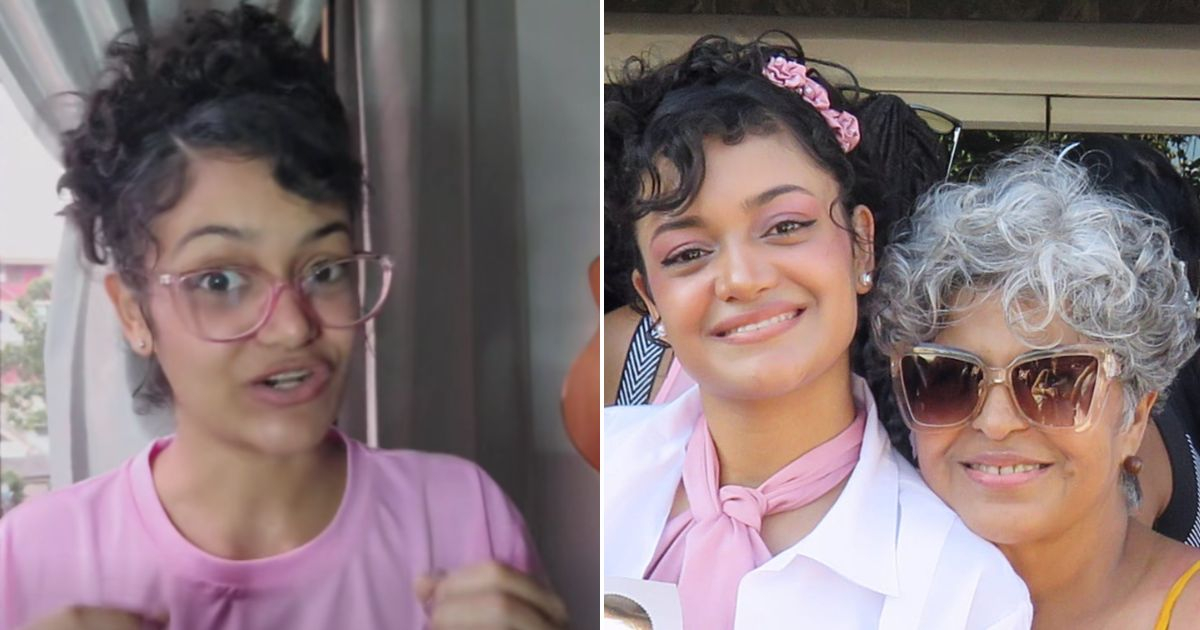
The Cuban Filmmakers' Assembly (ACC) has issued a collective statement over the weekend in support of Anna Sofía Benítez Silvente—better known as Anna Bensi—and her mother, Caridad Silvente. Both were sentenced on October 1 by the East Havana Court to two years of restricted freedom for sharing a video of a Ministry of the Interior (MININT) agent on social media.
The statement, endorsed by eleven figures from Cuba's audiovisual sector, including prominent names like Fernando Pérez, Ernesto Daranas, Luis Alberto García, Belkis Vega, and Kiki Álvarez, begins with a strong assertion: "Capturing the pain, the uncertainty, the suffering of a nation has become a crime."
Shared on social media, the statement frames the incident not as an isolated event but as part of a continuous pattern of repression.
Exposing Hypocrisy: State Practice vs. Citizen Punishment
The ACC highlights the contradiction of the Cuban state's practice of publicly exposing dissenters through official media, while simultaneously criminalizing similar actions by its citizens. "Double standards have become a hallmark of official identity. They skillfully apply the law to suit their interests and interpretations, yet are clumsy or blind when it comes to respecting the constitutional right of citizens to express their feelings about reality publicly and peacefully," the statement reads.
The incident occurred on March 10, 2026, in Alamar, Havana, when MININT officer Yoel Leodán Rabaza Ramos visited the home of the two women to deliver a State Security summons.
Caridad Silvente recorded the encounter, and the footage circulated on social media, resulting in months of institutional harassment, house arrest from March 25, and a travel ban.
Legal Ramifications and International Outcry
The court found them guilty of "acts against personal and family privacy," as outlined in Article 393 of the Cuban Penal Code, which penalizes the dissemination of content that affects another person's image or personal data, with harsher penalties if shared on social media.
During the trial, Anna Bensi stated, "We are not criminals," and had previously voiced her skepticism about receiving a fair trial.
The sentence has sparked a wave of solidarity. The U.S. Embassy in Cuba tweeted, "Thinking differently is not a crime," on the day of the trial, and Juan Pablo Segura, Deputy Assistant Secretary for Western Hemisphere Affairs, called the verdict cowardly.
The case attracted international attention from outlets like NBC, DW, El País, and ABC, causing global outrage.
Fear of Words and Images: A System's Breaking Point
The ACC, which had already condemned systematic repression against critical thought in Cuba back in March 2026, underscores in its statement that authorities "fear words and images, especially when they reveal the breakdown of a system, the nightmare behind the dream."
The statement concludes by identifying the true culprits and drawing a clear line between victims and perpetrators: "A nation's wounds cannot heal with silence or repression."
Understanding the Cuban Filmmakers' Assembly's Stance
What prompted the Cuban Filmmakers' Assembly to issue their statement?
The statement was issued in defense of Anna Bensi and her mother, who were sentenced for sharing a video of a MININT officer, which the ACC views as part of a pattern of repression.
How did the international community react to the sentencing of Anna Bensi and Caridad Silvente?
The sentencing was met with widespread condemnation from international media and figures, including statements from the U.S. Embassy in Cuba and other international outlets.