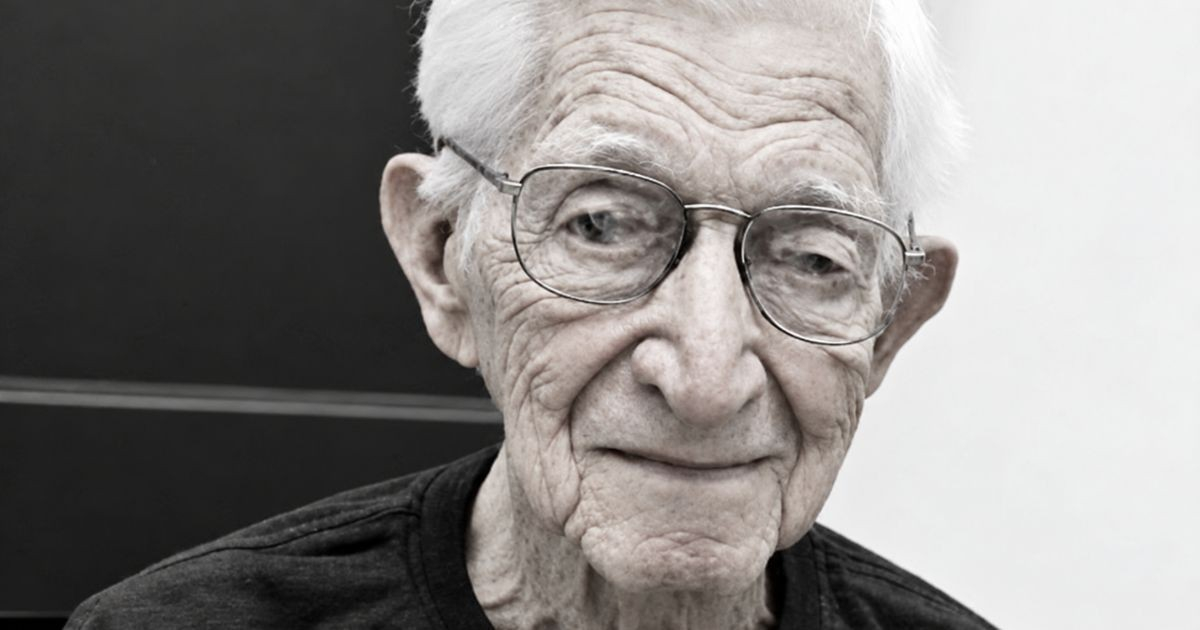
On Friday, October 2, the esteemed microbiologist and pediatric infectious disease expert, Dr. Julián Pérez Amarillo, passed away at the age of 96. The news was shared by the Pedro Kourí Institute of Tropical Medicine (IPK) through their social media platforms, noting his birth and death dates: January 10, 1930, and October 2, 2026.
“With great sadness, we bid farewell to Dr. Julián Pérez Amarillo, a distinguished medical microbiologist whose legacy leaves an indelible mark on Cuban medicine, pediatric infectious diseases, and bacteriology,” announced the IPK, a national reference center for infectious diseases and tropical medicine.
The Legacy of a Lifelong Educator and Healer
Born in 1930, Dr. Amarillo—affectionately known by his peers and students—dedicated his professional life to the research, diagnosis, and prevention of infectious diseases on the Island.
His teaching and medical practice were primarily based at the William Soler and Juan Manuel Márquez Pediatric Teaching Hospitals in Havana, where he trained numerous generations of healthcare professionals. The IPK emphasized that “his scientific rigor, coupled with an unwavering commitment to children's health, cemented his status as a vital figure in the country's clinical bacteriology.”
Pioneering Contributions Beyond the Hospital Walls
Beyond the classroom and hospital labs, Dr. Amarillo also made significant contributions to the biotechnological sector through his close collaboration with the National Center for Biopreparations (BioCen). Established in 1992, BioCen is part of BioCubaFarma and houses Cuba's sole facility for producing culture media and nutrient bases used in microbiology and various other applications. Its catalog includes a diverse range of dehydrated culture media, nutrient bases, supplements, and reagents utilized in clinical, veterinary, pharmaceutical, and food microbiology, among other fields.
A former student remembered him as “a great innovator in phenotypic bacterial diagnosis,” highlighting the privilege of learning about these innovations and the control of healthcare-associated infections (previously known as nosocomial infections) alongside him. Another colleague succinctly stated, “Today, Cuban microbiology is in mourning.”
A Community United in Grief and Respect
The Cuban medical community responded with an outpouring of condolences on social media. He was frequently described as a “teacher of teachers,” with those who knew him praising not only his scientific rigor but also his profound humility and simplicity. The Ministry of Public Health's National Directorate of Postgraduate Studies (MINSAP) also expressed institutional condolences: “A profound loss. Our heartfelt condolences to his family, friends, colleagues, and students from the National Directorate of Postgraduate Studies at MINSAP. Farewell, Professor.”
His passing comes at a time when Cuba is grappling with active outbreaks of infectious diseases like chikungunya and dengue, making the loss of a specialist of his caliber in pediatric bacteriology and infectious diseases even more poignant in a healthcare system facing severe resource and personnel shortages.
The IPK paid tribute to Dr. Amarillo with words that capture the sentiment of the entire scientific community: “We say goodbye to a professional with firm principles, a passionate educator, and a cornerstone of Cuban microbiology, known also for his deep humility and simplicity.”
The institution's announcement did not provide further details about funeral arrangements. Our deepest condolences go out to his family, friends, colleagues, and students.
Remembering Dr. Julián Pérez Amarillo: A Legacy in Cuban Microbiology
What was Dr. Julián Pérez Amarillo’s main contribution to microbiology in Cuba?
Dr. Julián Pérez Amarillo was instrumental in advancing pediatric infectious disease research and education. His dedication to the study and prevention of infectious diseases, as well as his role in training new generations of healthcare professionals, left a lasting impact on Cuban bacteriology.
How did the Cuban medical community react to Dr. Amarillo's passing?
The Cuban medical community expressed widespread condolences and admiration on social media, describing him as a “teacher of teachers” and highlighting his scientific rigor and humility.
What challenges is Cuba currently facing in the field of infectious diseases?
Cuba is currently dealing with active outbreaks of infectious diseases such as chikungunya and dengue, compounded by a healthcare system struggling with significant resource and personnel shortages.