On September 17, 2026, the Florida Department of Highway Safety and Motor Vehicles (FLHSMV) revised section IR09 of its operational manual for license and identification issuance. This update involves specific changes regarding the documentation immigrants can use to prove their identity and legal presence.
Rather than completely overhauling the existing requirements—which largely remain in place—this update introduces particular clarifications and exceptions that should be distinguished from the general rules currently in effect.
Significant Changes as of September 17
The most notable change pertains to the I-797 form: the manual now allows for certain photocopied receipts to be accepted solely for verifying legal presence, provided the information can be confirmed through the federal SAVE/VLS system or via USCIS. Previously, only original or certified copies were acceptable.
Immigration requirements frequently change, so staying informed is crucial. Visit our U.S. Immigration section for the latest details on documents, visas, and procedures impacting the Cuban and Latino communities in the country.
The manual also acknowledges electronic I-797 receipts as equivalent to their physical counterparts; if there are authenticity concerns, officials must verify the information with USCIS.
Another significant modification involves the I-766 Employment Authorization Document (EAD): even if expired, it may still be used as proof of identity if the applicant provides other valid documents demonstrating legal presence. An expired EAD alone is insufficient for obtaining a license.
Visa Waiver Program and Other Considerations
A new section addresses the Visa Waiver Program (ESTA), clarifying that individuals entering under this program are not eligible for a Florida credential under that assumption, as a foreign passport requires an attached U.S. visa to serve as an identity document.
The revision also specified that if a permanent resident document contains a photo from infancy, it may confirm legal presence but does not fulfill the identity requirement; the applicant must obtain an updated card.
Documentation Options for Immigrants
Beyond the September changes, the manual outlines a comprehensive list based on the applicant's immigration category.
Permanent residents can use their Green Card (I-551/I-151) for both identity and legal presence. An old card without an expiration date is acceptable; an expired card may also suffice if the status is verified through VLS.
Asylum seekers are treated as non-immigrants and receive a credential valid for one year; those granted asylum are classified as immigrants. Individuals with parole can demonstrate legal presence with the I-512 letter, but since February 2025, this document cannot be used for identity.
Special Provisions for Cubans
The manual retains a section dedicated to the Cuban Adjustment Act with specific requirements. Those undergoing adjustment must present an I-94 or another document proving inspection, admission, or parole, along with a pending I-485.
If an I-797 related to the I-485 is submitted, the manual also requires proof of Cuban nationality. However, this proof does not automatically equate to identity verification.
The September revision updated this section to include a valid foreign passport with an attached U.S. visa as an acceptable document for satisfying the identity requirement, as per the documents Florida demands from Cubans in the adjustment process.
Practical Information
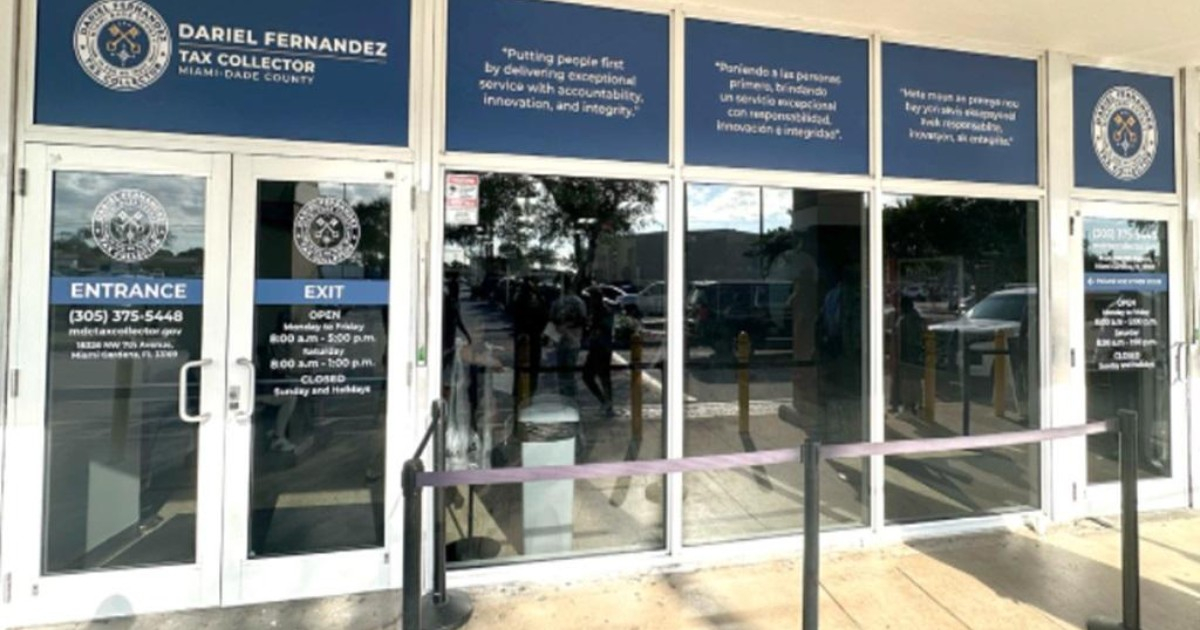
All credentials issued to non-immigrants display the word "TEMPORARY." When immigration status changes, the holder has 30 days to update their records with the FLHSMV by visiting a tax collector's office or a license service center.
Verification might require an additional process through the Central Issuance Processing System (CIPS), meaning the license may not be issued on the same day as the office visit.
FAQs About Florida's Updated License Requirements for Immigrants
What changes were made to the acceptance of I-797 forms?
The manual now allows photocopied I-797 receipts to be accepted for proving legal presence, provided the information can be verified through the federal SAVE/VLS system or USCIS, whereas previously only original or certified copies were accepted.
Can an expired Employment Authorization Document be used for identity verification?
Yes, an expired EAD can be used as proof of identity if accompanied by other valid documents that demonstrate legal presence, though it alone is not sufficient to obtain a license.
Are individuals under the Visa Waiver Program eligible for a Florida driver's license?
No, those entering under the Visa Waiver Program are not eligible for a Florida driver's license, as a foreign passport with a U.S. visa attached is required for it to serve as an identity document.