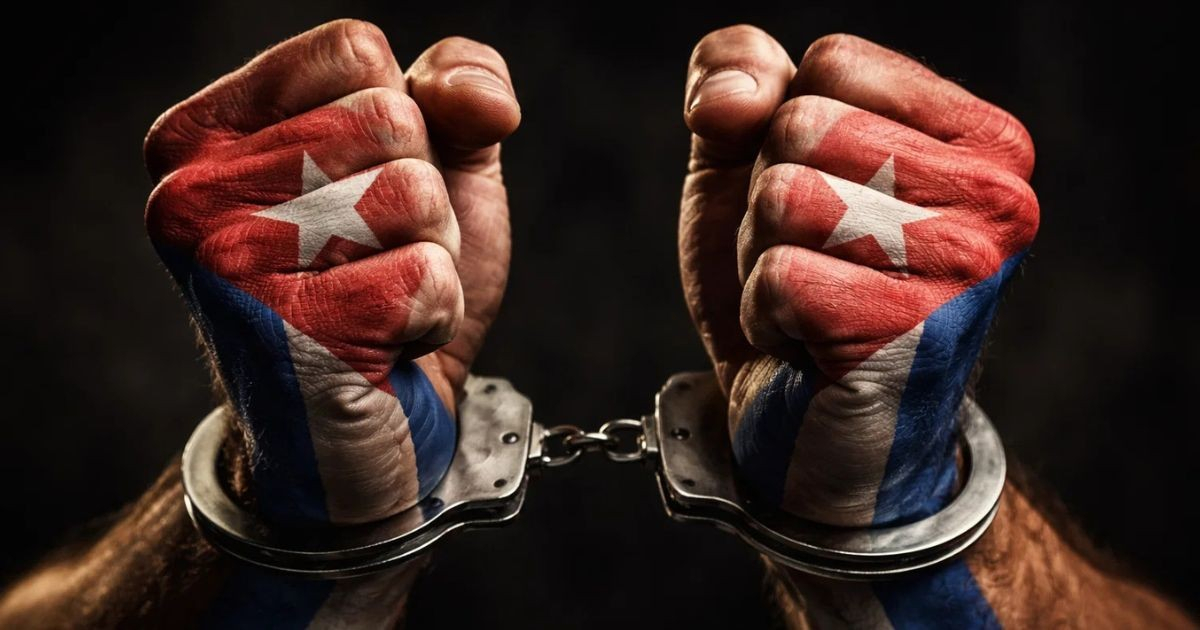
September concluded in Cuba with a marked decline in basic services, heightened public insecurity, and increased repression. A total of 11 individuals lost their lives in violent incidents, repressive acts surged by 36%, and a nationwide blackout lasted approximately 32 hours.
The Cuban Observatory of Conflicts (OCC) released a report on Thursday detailing 663 protests, grievances, and critical expressions throughout September. This activity occurred amid a multifaceted crisis impacting electricity, water, healthcare, food supply, and other essential services simultaneously.
The OCC's historical series, used to compare with previous months, recorded 1,147 events in September, slightly lower than the 1,185 noted in August. Within this framework, repressive actions increased from 100 to 136, a 36% rise, while "challenges to the police state" dropped from 291 to 155, a 46.74% decrease.
Public Protests and Government Crackdowns
Street protests also showed variation. The observatory counted 26 in-person protests in September, compared to 33 in August and 72 in July. The OCC warns against interpreting this decline as reduced public discontent, suggesting that the population is increasingly consumed by efforts to secure food, medicine, transportation, and water.
This decrease in street protests coincided with a rise in repressive acts. The OCC documented incidents including the detention of activists, surveillance of independent journalists, and police actions against participants in public demonstrations.
Electricity Crisis Intensifies
In September, a public expression of dissatisfaction took place in Estrada Palma, Santa Clara, where residents blocked roads due to prolonged power supply issues. Reports also indicated police presence in the area. Electricity was a central issue this month, with the National Electroenergetic System experiencing its eighth total shutdown in 2026 on September 18, affecting nearly nine million people.
It took around 32 hours to fully reconnect all provinces. Though the Electrical Union reported the transmission system re-energized, severe service disruptions persisted. A company operations chief attributed the recovery's sequential nature to challenges like insufficient fuel for thermoelectric generation.
Broader Impacts of the Blackout
The blackout's repercussions extended beyond the lack of power, impacting water pumping, communications, and healthcare services. In La Pastorita, Marianao, residents complained about irregular water supply since January, with one woman reportedly paying 60,000 pesos for private water delivery.
Escalating Violence and Insecurity
Additionally, public insecurity rose by 18.64% in the historical series, with records increasing from 177 in August to 210 in September. The detailed monthly methodology recorded 157 events in this category.
September's report also notes 11 violent deaths. Among the cases were the murders of Yusinay Capetillo Martínez, 41, in Havana during a blackout, and Didiannys Barreto Palmero, 34, in Ceballos, Ciego de Ávila. Independent observatories have verified both as femicides.
Violence against women has been particularly alarming in 2026. By the end of September, independent observatories confirmed 55 femicides in Cuba, surpassing the 49 recorded for all of 2025, with additional cases under investigation.
The OCC distinguishes between two accounting methods: a detailed September register with 663 events, including 91 repressive acts, and the historical series used for monthly trend analysis, showing 136 repressive acts. This methodological distinction accounts for both figures appearing in the report.
FAQs on Cuba's Current Crisis
What were the main causes of the nationwide blackout in September?
The main cause of the nationwide blackout was the eighth total shutdown of the National Electroenergetic System in 2026, compounded by fuel shortages for thermoelectric generation, which delayed recovery efforts.
How has public insecurity changed in Cuba during September?
Public insecurity in Cuba increased by 18.64% in September, with the number of reported incidents rising from 177 in August to 210 in September, as documented by the Cuban Observatory of Conflicts.
What factors contributed to the decline in street protests?
The decline in street protests can be attributed to the exhaustion of the population, who are increasingly focused on securing basic necessities like food, medicine, and water, despite the ongoing discontent.
What is the significance of the rising femicide cases in Cuba?
The rising femicide cases in Cuba highlight the increasing violence against women, with 55 cases verified by independent observatories by September 2026, surpassing the total for 2025, indicating a growing crisis.