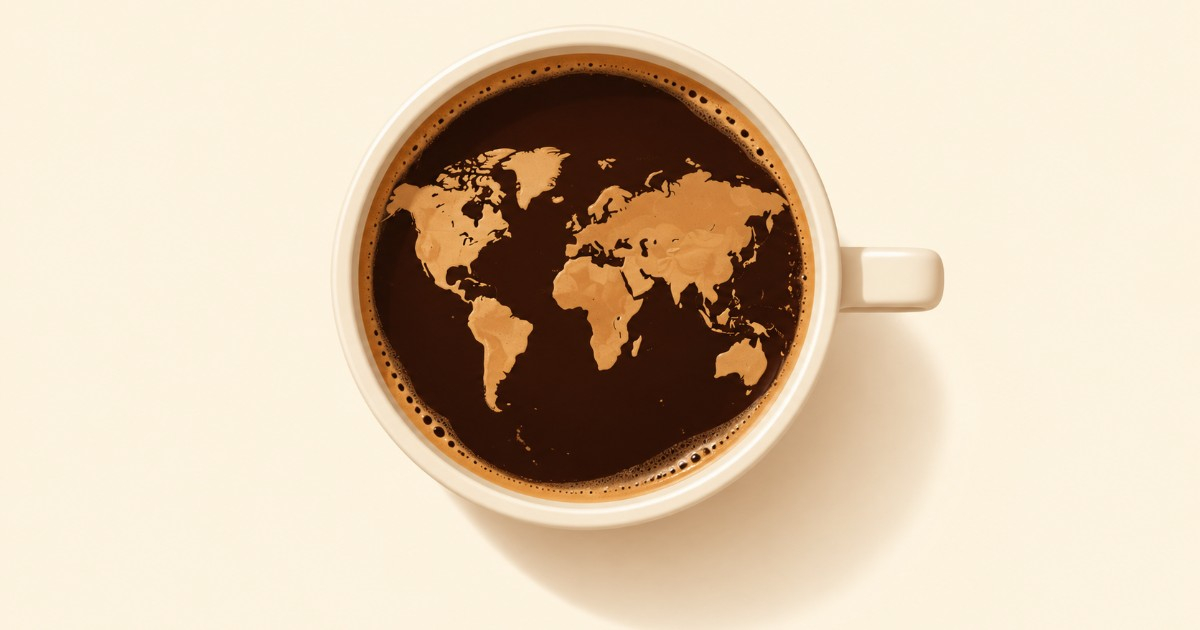
This Thursday, October 1, marks a significant change for International Coffee Day in 2026 with its official recognition by the United Nations. The beloved drink that punctuates breakfasts, conversations, and work breaks now has a spot on the UN calendar, celebrating those who make it possible to enjoy every cup.
The UN's Official Endorsement
The UN General Assembly designated this day on March 10, 2026, through resolution A/RES/80/248, as noted by the Food and Agriculture Organization (FAO). This marks the first October 1 celebration since that pivotal decision.
However, it’s important to note that this isn't the inaugural International Coffee Day. The event has already been celebrated for over a decade, bringing together producers, cafes, and enthusiasts from various countries.
The Origins of Coffee Day on October 1
The International Coffee Organization (ICO) explains that its member countries agreed in March 2014 to establish a unified date to honor coffee globally. Before and after this, countries have continued their national coffee celebrations on different dates.
The first official edition occurred on October 1, 2015, with its debut in Milan, as documented by the ICO’s activity records of that year. This date is significant due to its alignment with the coffee-growing season; according to the FAO, October 1 traditionally marks the beginning of the coffee year and often coincides with the start of the harvest in many producing areas.
Impact of UN Recognition
The UN’s endorsement incorporates this day into its international observances, broadening the platform for sharing knowledge about coffee, its cultural significance, and the efforts of those who grow, process, and trade it. The UN’s official page encourages participation from governments, communities, businesses, academic institutions, and social organizations, aiming to promote a more sustainable sector with better opportunities for those reliant on it.
The resolution also invites the FAO to facilitate the celebration in collaboration with other organizations, notably the ICO, as mentioned in the announcement following the decision.
Global Economic Impact of Coffee
Behind this everyday product lies a global economic activity. According to FAO data, the coffee industry supports the livelihoods of up to 25 million farmers and their families worldwide. Small-scale farms make up about 80% of the world's coffee farms, a statistic reflecting the number of farms rather than their share in total production.
In 2024, global coffee production exceeded 11 million tons. That year, the European Union and the United States emerged as the largest importers, according to FAO reports. Supermarket shelves and cafe menus often feature two names: Arabica and Robusta. These are the two primary types of coffee produced and sold globally, with Arabica accounting for approximately 60% of world production, as per the FAO.
The Social Aspect of Coffee
The social dimension of coffee resonates with Cuban readers, who understand sharing a "colada" as a way to gather with friends. Miami Beach's visitor center describes it as a means of uniting the community over coffee.
This simple gesture aligns with the spirit of the commemoration. The United Nations acknowledges coffee not just as an agricultural product, but as part of daily traditions and social gatherings.
To participate in the celebration, the ICO’s official campaign provides materials to share a photo of your coffee cup, workplace, or business using the hashtag #ICD2026. It's also an opportunity to explore the origins on the coffee package or inquire about the coffee served at your go-to café. This October 1, the initiative encourages going beyond simply enjoying a beverage; it invites people to discover the stories and individuals behind it.
Understanding the Impact of International Coffee Day
What changes with the UN's recognition of International Coffee Day?
The UN's recognition of International Coffee Day integrates it into the calendar of international observances, expanding awareness and the sharing of knowledge about the cultural and economic significance of coffee.
Why is International Coffee Day celebrated on October 1?
The date was chosen as it traditionally marks the beginning of the coffee year and coincides with the start of the harvest in many coffee-producing regions, making it a fitting time to celebrate.
How does coffee contribute to the global economy?
Coffee supports the livelihoods of up to 25 million farmers and their families worldwide, with small-scale farms constituting about 80% of coffee farms globally.