Cuba has revealed plans to gradually introduce 20 significant reforms to its banking system in the weeks ahead. These changes aim to include increased private and foreign investment, new loan options, interest rate adjustments, digitization of processes, and updated regulations for financial technologies.
These reforms will focus on four key areas: opening and capitalization, credit, savings, and financing, according to the state newspaper Juventud Rebelde, which cited statements from officials at the Central Bank of Cuba (BCC).
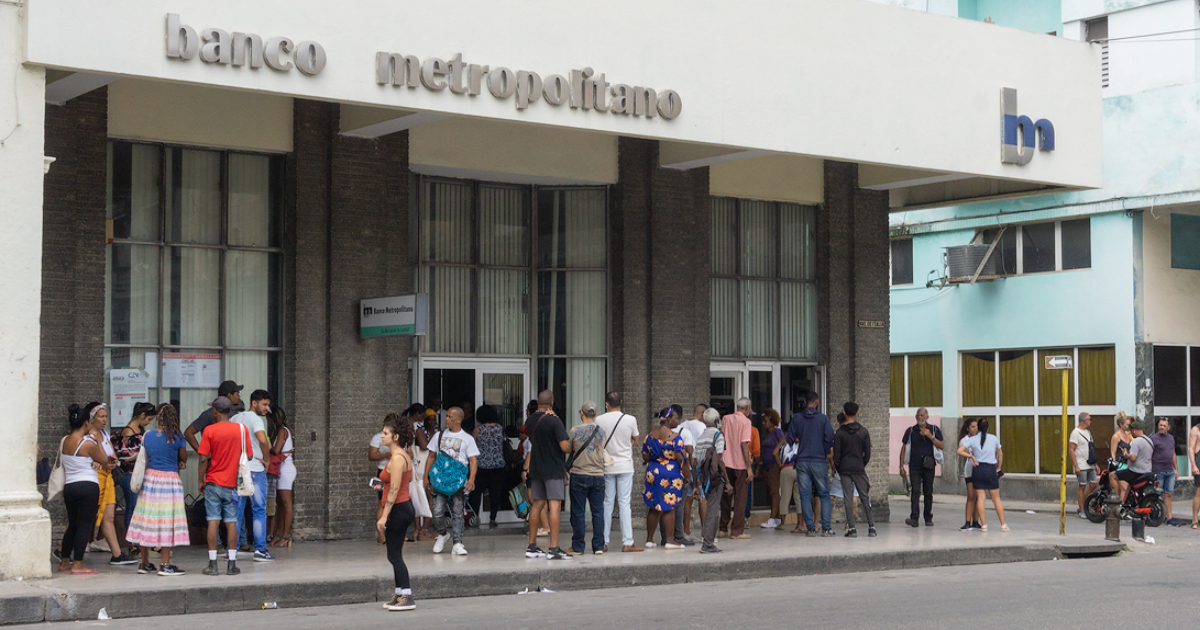
During a discussion on the Mesa Redonda program, Juana Lilia Delgado Portal, the chairwoman of the BCC, acknowledged that the system is currently plagued by slow processes and institutional bureaucracy. She emphasized that one of the primary goals is to streamline procedures and restore the banks' ability to serve both individuals and state-owned as well as non-state economic entities.
The introduction of financial institutions with private and foreign capital marks a significant shift away from the long-standing dominance of state-run banks. Alberto Javier Quiñones Betancourt, BCC's vice president, noted the potential for specialized institutions to emerge in specific economic sectors, such as a proposed Development and Agricultural Promotion Bank aimed at financing agriculture.
Authorities also plan to authorize private currency exchange houses and banks with integrated digital operations for remittance transfers, although these entities will remain under the Central Bank's supervision.
This new type of business is already beginning to take shape. In September, ADT64 started operating in Santa Clara as the first private currency exchange house authorized in Cuba, part of a pilot project overseen by the BCC.
The introduction of private capital into the financial sector was initially announced in June when authorities approved a broad package of economic reforms. These included the establishment of private, national, or international banking and financial institutions under Central Bank regulation.
Another priority now is to simplify credit access. Quiñones mentioned that efforts are underway to develop consumer loans and reevaluate interest rates applied to Cuban peso savings accounts. The aim is to transition to a system of interest rates that are "more financial and less administrative," providing commercial banks with greater autonomy to craft their offerings and set specific rates.
Advancements in digital banking services are also planned to reduce the need for in-person transactions. This includes incorporating fintech companies and creating new advisory tools for clients. The Central Bank is also working on legislation related to cryptocurrencies, virtual assets, and artificial intelligence projects as part of the sector's modernization.
Another objective is to bring into the banking fold operations currently conducted outside the formal banking system, creating channels to manage these financial flows as the nation grapples with liquidity issues and cash access challenges.
The announcement follows the Central Bank's recent issuance of new 10,000 and 20,000 Cuban peso bills, the highest denominations to date, amid a backdrop of currency devaluation and difficulties in withdrawing large sums of cash.
Key Aspects of Cuba's Banking Reforms
What are the main areas of focus in Cuba's banking reforms?
The reforms focus on four main areas: opening and capitalization, credit, savings, and financing.
How will these changes impact private and foreign investment?
The reforms will allow for the inclusion of private and foreign capital in Cuba's financial system, breaking the long-standing dominance of state-run banks.
What steps are being taken to improve digital banking services?
Cuba plans to advance digital banking by incorporating fintech companies and developing new advisory tools to minimize the need for in-person transactions.