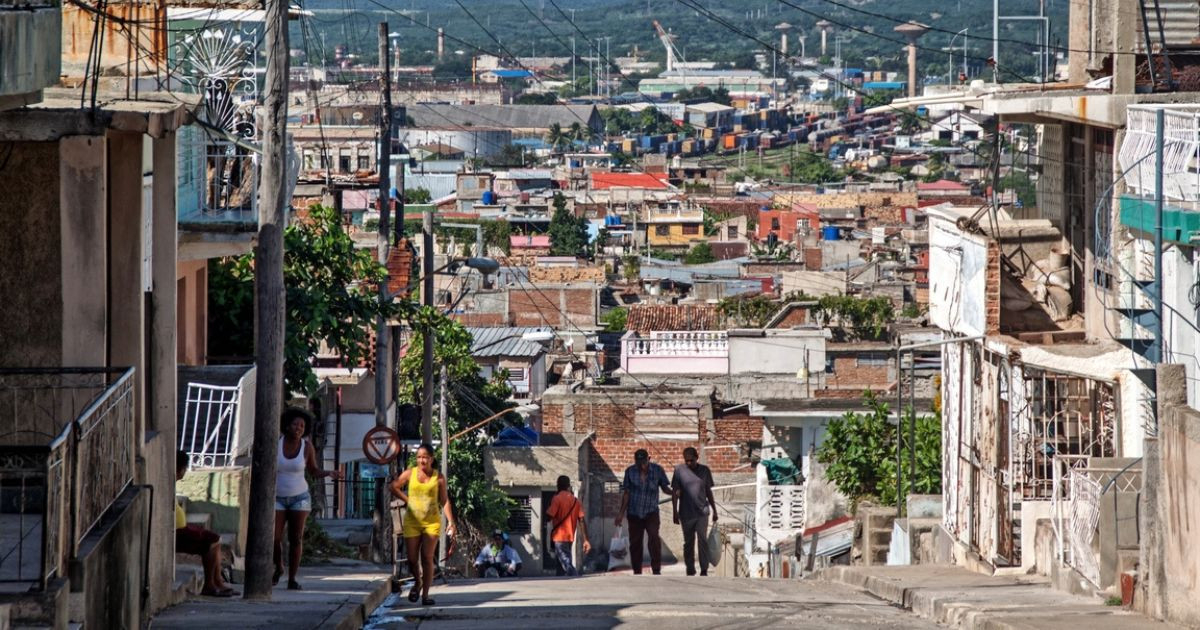
The province of Santiago de Cuba is currently grappling with an active dengue outbreak in the municipalities of Palma Soriano, Contramaestre, and the capital city. Reports of unexplained fever syndromes have been on the rise since late June, as reported on Saturday by the official newspaper Sierra Maestra.
According to Dr. Yaimara Gutiérrez de la Cruz, head of the Provincial Hygiene Center, the surge began during epidemiological week 29, primarily affecting individuals over the age of 18.
Although no severe cases or patients displaying warning signs were reported by the end of week 36, there was a previously noted severe case at the Military Hospital from the Josué País health area, where there is significant fever activity.
The neighboring municipality of Segundo Frente remains under close watch due to the risk of new cases emerging, extending the health alert beyond the three areas already experiencing active transmission.
Dr. Gutiérrez highlighted that dengue is currently the only circulating arbovirus in the province. Earlier reports of chikungunya in early 2026 have ceased, and no cases of Zika have been documented in Santiago de Cuba since 2016.
Health officials emphasize that individuals experiencing fever should seek medical attention and be vigilant for warning signs such as persistent abdominal pain, frequent and severe diarrhea, excessive vomiting, intense sweating, and loss of consciousness.
Special attention is given to children, the elderly, pregnant women, and postpartum women. Suspected arbovirus cases receive tailored services at the Ambrosio Grillo Hospital for adults, the Northern Children's Hospital for minors, and the Juan Bruno Zayas Hospital for pregnant and postpartum women.
The protocol stipulates hospital admission for patients meeting specific criteria, while others receive community care with monitoring from family doctors and nurses.
This situation unfolds amidst increasing rainfall, prompting health authorities to urge enhanced environmental sanitation and individual responsibility to curtail the spread of mosquito-borne diseases.
Data from the Global Dengue Observatory at the London School of Hygiene & Tropical Medicine indicate that Cuba has recorded 7,133 dengue cases this year, exceeding expectations by 7.4 times for this period.
August was the most affected month with an estimated 3,214 cases, and the peak season typically occurs in October, suggesting potential worsening in the weeks to come, according to the British observatory.
The Ministry of Public Health (Minsap) recently acknowledged the rise in dengue cases, along with diarrhea and other transmittable diseases, confirming active circulation of all four virus serotypes, with serotype two being predominant.
Other eastern provinces are also dealing with active outbreaks. In Guantánamo, the municipalities of Imías, Baracoa, and the capital city are experiencing transmission with more than 30 PCR-confirmed cases reported in recent days.
Meanwhile, the municipality of Manuel Tames has been declared under an epidemiological alert with 23 weekly fever cases recorded.
Last year, Cuba reported over 81,900 combined cases of dengue and chikungunya, with at least 55 deaths attributed to arbovirus infections, according to official Minsap data.
Understanding the Dengue Crisis in Santiago de Cuba
What are the major municipalities affected by dengue in Santiago de Cuba?
The municipalities of Palma Soriano, Contramaestre, and the capital city of Santiago de Cuba are experiencing active dengue transmission.
How is the local health system responding to the dengue outbreak?
The health system is prioritizing attention for children, the elderly, pregnant women, and postpartum women and has established specialized services in key hospitals for suspected arbovirus cases.
What measures are being taken to prevent the spread of dengue?
Health authorities are calling for increased environmental sanitation and personal responsibility to reduce mosquito proliferation, especially during the rainy season.
What is the peak season for dengue in Cuba?
The peak season for dengue in Cuba typically occurs in October, which may result in a worsening of the outbreak in the coming weeks.