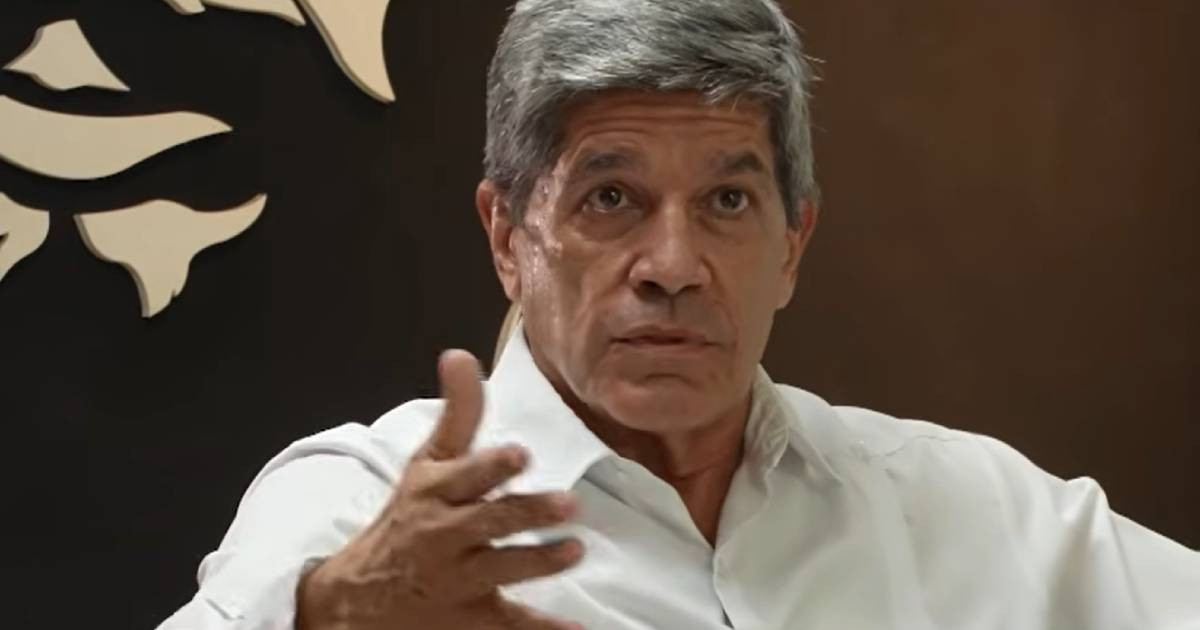
In a recent interview with Bloomberg This Weekend, Cuba's Deputy Foreign Minister, Carlos Fernández de Cossío, made a significant distinction between Havana and Caracas by stating that Venezuela is "a friendly nation," but not an "ally" of Cuba.
"Ally is too strong a word," emphasized Fernández de Cossío. These remarks were made in New York on Friday, where he was part of the Cuban delegation at the United Nations General Assembly. The news was also reported by the EFE agency.
This statement marks one of the clearest diplomatic separations a Cuban official has articulated since relations between the two nations became strained following the capture of Nicolás Maduro by U.S. forces on January 3, 2026.
During that operation, 32 Cuban military personnel—members of the Revolutionary Armed Forces and the Ministry of the Interior—who were part of the security apparatus for the then Venezuelan leader, were killed.
After this rupture, Venezuela ceased its crude oil supply to Cuba on January 9, 2026, exacerbating the energy crisis that the island had been facing since 2024. Caracas had been sending approximately 26,500 barrels per day, which accounted for about a third of Cuba's energy needs.
Independent experts described the bilateral relations in May as "frozen" or "completely stalled."
In the same Bloomberg interview, Fernández de Cossío dismissed the possibility of a similar operation occurring in Cuba, akin to the one that led to Maduro's capture. However, he acknowledged that "there are individuals in the United States who wish for such an event." "We will not allow it," he warned.
The Cuban official labeled a U.S. military intervention as "unrealistic" and expressed hope that such an action "doesn't happen," citing "no justifiable reason" for it.
These comments come amid heightened tensions between Washington and Havana.
Last Monday, Donald Trump referred to Cuba as a "completely failed state" at the United Nations, prompting the Cuban delegation to walk out in protest. Additionally, CBS News reported that U.S. military forces were evaluating the readiness of units for the Southern Command within a 90 to 120-day timeframe.
However, on Saturday, Trump ruled out the use of force, telling the press at the White House, "I don't think the military is necessary," and added, "Cuba and we will make a deal."
Regarding bilateral negotiations, Fernández de Cossío expressed skepticism: he stated that he sees no "progress" and finds it "very difficult to believe that there will be results in negotiations while the U.S. continues to impose new measures, new pressures, and new sanctions against the Cuban people."
He also declined to disclose the names of those involved in the talks, mentioning that they are "discreet about it."
The deputy foreign minister also claimed to Bloomberg that U.S. sanctions are hindering Cuba's economic reforms—including moves towards more capitalist transformations—and that if Washington eases its pressure, these changes could become "truly irreversible."
Implications of Cuba-Venezuela Relations and U.S. Involvement
What is the current status of Cuba-Venezuela relations?
Relations between Cuba and Venezuela are currently described as "frozen" or "completely stalled," following the capture of Nicolás Maduro and the cessation of oil supplies from Venezuela to Cuba.
How has the U.S. influenced the relationship between Cuba and Venezuela?
The U.S. has played a significant role in the strained relations between Cuba and Venezuela, notably through the capture of Nicolás Maduro and the imposition of sanctions that affect Cuba's economy and energy supply.
What are the potential outcomes of U.S.-Cuba negotiations?
The potential outcomes of U.S.-Cuba negotiations remain uncertain, with Cuba expressing skepticism over any progress due to ongoing U.S. sanctions and pressures. However, if U.S. pressures are reduced, it could lead to irreversible economic reforms in Cuba.