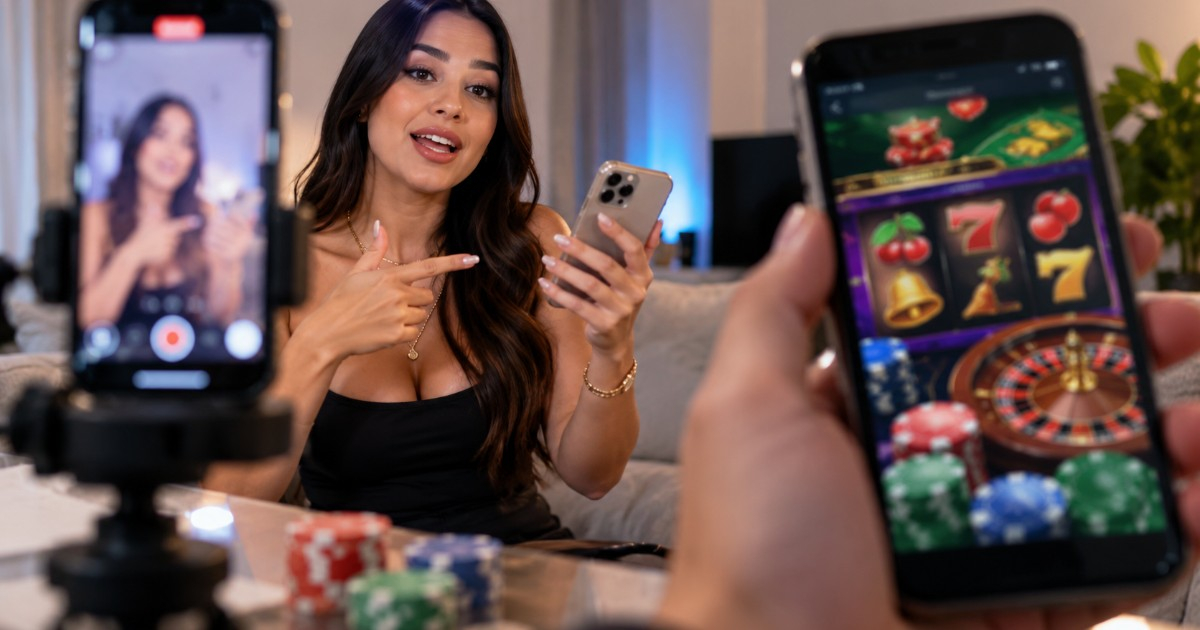
A growing number of Cuban influencers, many based in Miami and other cities across the United States, are leveraging their social media platforms to promote online casinos, games promising quick riches, ticket-based raffles, and other gambling-related activities.
Recently, this trend has become increasingly noticeable. Some of these influencers boast hundreds of thousands of followers, with others surpassing a million across Instagram, TikTok, and other platforms. This extensive reach amplifies the influence of these promotions within the Cuban community, both on the island and among exiles.
Trust and Transparency Concerns
The issue extends beyond the mere promotion of gambling. Concerns arise when the trust established with audiences is exploited to direct them toward platforms with questionable licensing, business locations, or consumer protection. When these platforms are presented as effortless money-making opportunities without clearly identifying commercial relationships, or when content reaches minors without effective controls, the risks increase.
While not every online casino or raffle is fraudulent, having a website, accepting deposits from the U.S., or displaying a foreign-issued license does not guarantee legal operation in Florida or the ability to attract local players.
The Global Normalization of Gambling
This phenomenon isn't unique to the Cuban community. Internationally, there's growing concern over the integration of casinos, betting, and gambling into the daily content of influencers, streamers, and internet celebrities. The World Health Organization (WHO) warns that digitalization and commercialization are normalizing gambling and significantly expanding its reach.
The WHO estimates that about 1.2% of the global adult population suffers from gambling disorders, noting that the proliferation of smartphones and digital platforms is facilitating the growth of these activities. The repercussions of problematic gambling can extend far beyond financial loss, leading to debt, family conflicts, mental health issues, and the misuse of funds needed for essentials like housing and food.
The Allure of "Easy Money"
The promise of "easy money" is particularly enticing for those facing financial difficulties. A video showcasing a casino, raffle, or game as a chance to earn hundreds or thousands of dollars can be especially appealing. However, a screenshot of alleged winnings does not reveal how much had to be wagered or if the balance can truly be withdrawn, nor does it guarantee similar results for others.
Offshore Casinos: A Legal Grey Area
A common misconception is that a website's legality is assured by its operation from within the U.S. This is not inherently true. Gambling regulation in the U.S. is largely state-dependent. The Florida Gaming Control Commission (FGCC) explicitly states that accessing an internet platform from Florida does not imply that it's authorized to offer gambling within the state.
The FGCC also highlights the risks associated with unlicensed operators or those based outside the U.S., such as the lack of equivalent regulatory controls and difficulties in withdrawing winnings or recovering funds when disputes arise.
The Influence of Celebrity Endorsements
Endorsements by influencers add a particularly sensitive element. A recommendation from someone followed daily can be perceived differently than a traditional ad. Research with adolescents reveals that the presence of celebrities and digital creators can enhance the trust and legitimacy of gambling brands among young audiences.
While these studies don't directly apply to the Cuban community, they illustrate a key risk of this promotional model.
Legal Implications for Influencers
Florida law doesn't just penalize those organizing illegal lotteries. It also targets those promoting, advertising, or assisting with such activities, with potential third-degree felony charges depending on the circumstances.
It's crucial to understand that sharing a link or story about a raffle doesn't automatically constitute a crime. Liability would depend on the type of activity promoted, the relationship between the influencer and the operator, any economic compensation involved, and the influencer's knowledge and role in the activity.
Protecting Vulnerable Audiences
The Cuban community requires special attention due to varying legal jurisdictions and economic factors. Many followers of these influencers reside in Florida or within Cuba and other Latin American and European countries, meaning promotions can reach people under different legal frameworks.
For consumers, it's vital to verify a platform's legitimacy before spending money. A site's frequent appearance in influencer stories doesn't guarantee safety or legality.
Key Questions About Gambling Promotions by Influencers
What should consumers verify before engaging with online gambling platforms promoted by influencers?
Consumers should check the operating company's details, verify the jurisdiction of any licenses, ensure the platform complies with local laws, and understand the terms and conditions. They should also seek transparency about any financial incentives the influencer might receive for promoting the platform.
How does Florida regulate gambling activities?
In Florida, gambling regulations are managed by the Florida Gaming Control Commission, which sets specific rules for gambling operations. Legal gambling activities must comply with state regulations, and unauthorized platforms can face legal challenges.
Why is the influence of social media on gambling behavior concerning?
Social media can normalize gambling and obscure the risks involved, especially when promoted by trusted influencers. This can lead to increased gambling among vulnerable populations, including youth, without a clear understanding of the potential negative consequences.