A Cuban citizen named Américo Adolfo Hernandez recently took to Facebook to share a widely circulated critique of the island's economic practices: "Production here is nonexistent. It’s all about importing, hoarding, and reselling. And in this cycle, someone always profits—usually the same individuals."
In his piece titled Cuba: A Reseller's Paradise, Hernandez argues that a certain business in Cuba is unfailingly profitable: reselling. His analysis spans from agricultural fields to small and medium-sized private enterprises, known as Mipymes.
The Resell Economy: From Farm to Consumer
The most noticeable link in this chain involves farmers selling avocados to resellers at 100 pesos each. These resellers then position themselves on street corners or with pushcarts, selling the avocados for 300 pesos each, thus tripling the price without any involvement in the cultivation process, Hernandez observes.
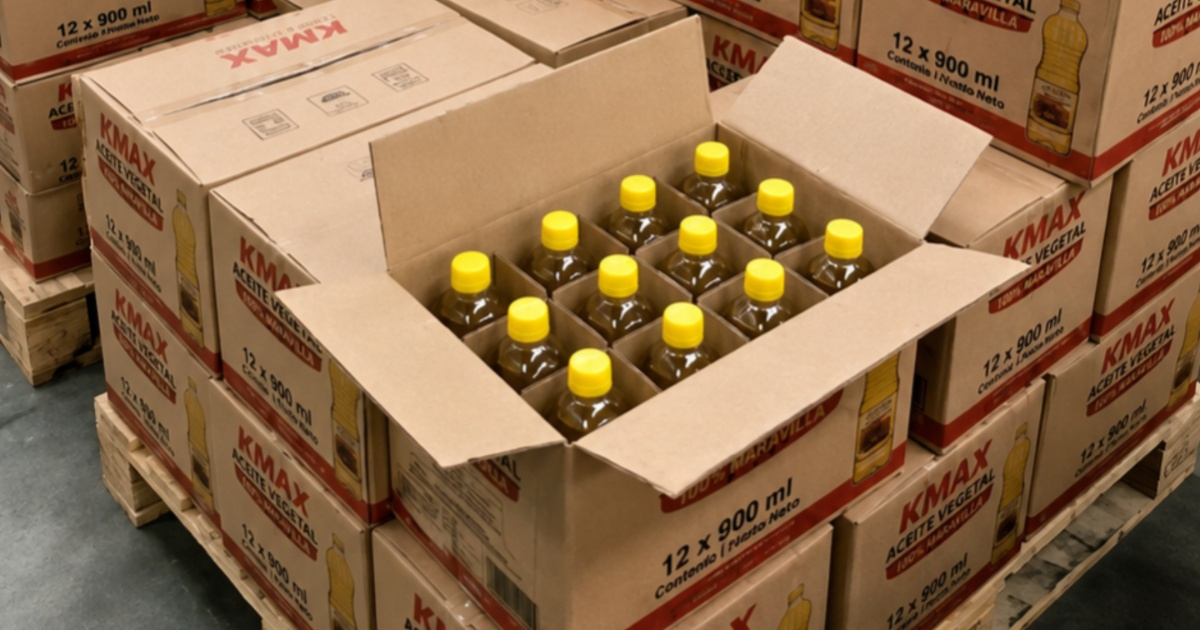
Another link in the chain involves Mipymes, which justify their profit margins by citing import costs, location, and taxes. Hernandez uses the example of a liter of oil: previously, a Mipyme would earn a net profit of 500 pesos per unit after covering all expenses. Today, without an increase in import costs, taxes, or transportation, that same liter yields 1,500 pesos—an increase by threefold.
Economic Realities and Public Sentiment
Hernandez contends that price hikes are not driven by costs but by a desire to maximize profits with minimal investment. While many online commenters argue that there have been changes in the variables he mentions, including the dollar's value in Cuba, Hernandez insists that the system is a "perverse hybrid where the state allows it, resellers exploit it, and the people pay for it." He concludes, "This isn't an economy. It's authorized looting." Several users pointed out that the primary looter is the government, responsible for the country's internal blockade.
The structural context supports this harsh assessment. In June 2026, the regime removed retail price caps for items like chicken, cooking oils, powdered milk, pasta, and sausages via the Ministry of Finance and Prices' Resolution 150/2026.
Soaring Prices and Economic Strain
Before this measure, the ceiling for imported oil was 990 pesos per liter. By August, prices surged to over 4,000 pesos, reaching as high as 7,000 in some areas. Recently, a Cuban resident reported that a pound of chicken cost 800 pesos, and a bottle of oil ranged from 3,800 to 4,000 pesos in Havana.
The gap between wages and living costs is staggering. As of July 2026, the minimum wage is 3,210 pesos per month, equivalent to just about five dollars on the informal market. A recent estimate suggested that a small family in Havana would need around 205,000 pesos monthly to cover basic needs like food, hygiene, medicine, and services—about 64 times the minimum wage.
Hoarding is not a new issue. On the 11th of this month, residents of Cojímar reported that resellers were hoarding nearly all the bread from a state bakery to resell at much higher prices. Additionally, state media recently questioned who truly sets prices in Cuba, citing that in Matanzas, a bag of milk could cost 6,500 pesos in one location and 4,500 in another within the same city.
Many who commented on Hernandez's post echoed his diagnosis. One noted that Cuba is "the only country where there's no competition in the markets: one sets a price, and everyone else follows." Another suggested deeper solutions: "If oil were produced in Cuba, it could compete with imported oil, automatically adjusting the price. However, the government cites 'lack of resources,' and those with the capital to invest refrain due to the lack of legal guarantees in this government or system. Cuban laws change daily."
A third commentator summarized the human toll: "What we're experiencing is beyond words, and it's only those of us on the ground who see and suffer it."
Understanding Cuba's Economic Challenges
What is the main critique of the Cuban economy according to Américo Adolfo Hernandez?
Hernandez criticizes the Cuban economy for being centered on importing, hoarding, and reselling goods, where few individuals consistently profit at the expense of the general population.
How do small and medium-sized enterprises (Mipymes) fit into Cuba's economic model?
Mipymes justify their high profit margins by citing costs related to imports, location, and taxes. However, Hernandez argues that these profit margins have increased significantly without corresponding rises in these costs.
What impact did the removal of retail price caps have on Cuban consumers?
Since the government removed retail price caps, the prices of essential goods such as chicken and cooking oil have skyrocketed, widening the gap between consumer prices and the average Cuban wage.