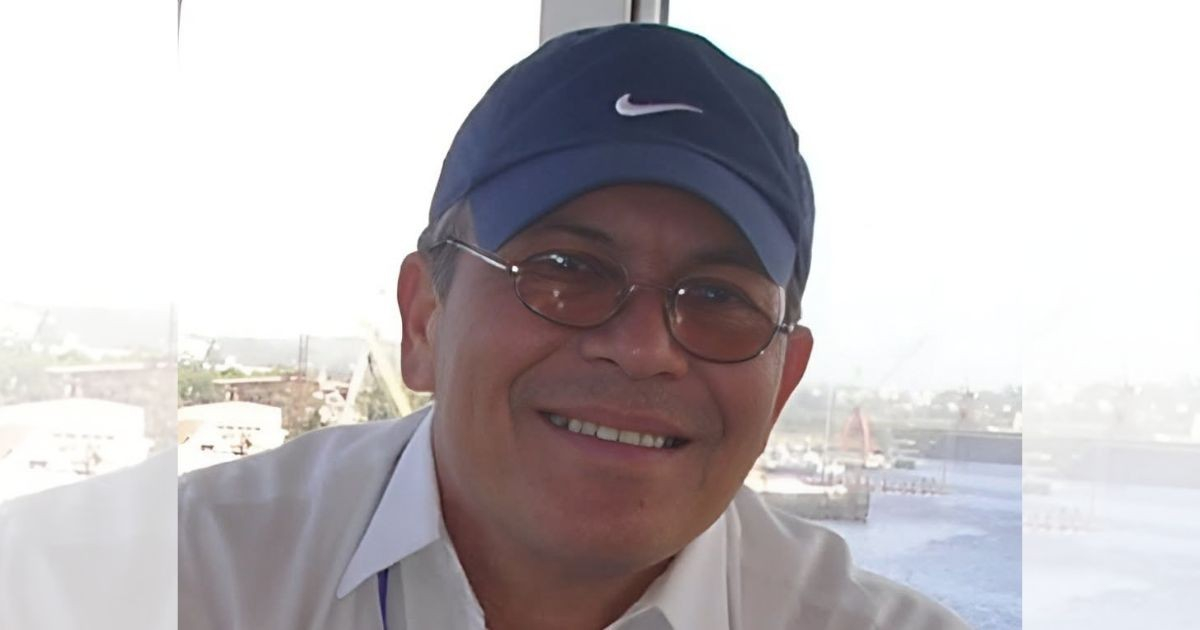
The esteemed Cuban zoologist, arachnologist, naturalist, and conservationist, Giraldo Alayón García, recognized as one of the leading figures in the zoological community of Cuba and the Caribbean, passed away on Thursday, September 24, at the age of 79.
The National Museum of Natural History of Cuba announced his passing and highlighted his decades-long commitment to research, conservation, and the study of arachnids.
Born on December 5, 1946, in San Antonio de los Baños, Alayón graduated with a degree in Biological Sciences, specializing in Entomology from the University of Havana in 1973, and published his first scientific work while still a student. He earned his doctorate from the same institution in 2000.
He worked at the Institute of Zoology of the Cuban Academy of Sciences and the National Company for the Protection of Flora and Fauna before joining the National Museum of Natural History in 1988, where he served as the curator of Arachnids for nearly four decades. The museum credited him with elevating their collection to one of the Caribbean's most significant.
The Legacy of Giraldo Alayón García
Alayón's 1994 publication on the list of Cuban spiders became an essential reference for the study of these creatures on the island. He described approximately 95 species and genera, most of which are endemic to Cuba. From 1993 to 1995, he led the Yucatán Arachnological Project, and in 1999, he was the principal investigator of a scientific expedition to Navassa Island, identifying several new species.
His academic contributions include 106 scientific articles and 64 outreach works. He taught 21 courses, delivered 132 lectures, and participated in over 50 scientific events. From 1995 to 2001, he served as president of the Cuban Zoological Society.
Beyond the Lab: Alayón’s Broader Impact
Alayón's influence extended beyond laboratories and scientific collections. Between 1978 and 1983, he hosted "Wildlife," recognized by the museum as the first Cuban radio program dedicated to environmental topics. In later years, he chaired the Ariguanabo Foundation, advocating against the illegal trade of wild birds and supporting projects to restore the Ariguanabo River in his hometown of San Antonio de los Baños.
Throughout his career, he received numerous accolades, including being named an Illustrious Son of San Antonio de los Baños in 2001 and receiving the Juan Tomás Roig Medal in 2005. Radio Ariguanabo expressed their sorrow over his death, honoring him as "one of their brightest sons" and a dedicated researcher, educator, and nature defender.
His passing elicited many responses from scientists, former colleagues, students, and those who worked alongside him. One described him as an "exemplary man, excellent entomologist and arachnologist," while another recalled his eagerness to support younger researchers and his reputation as a leader in taxonomy, biodiversity, and scientific culture. An anecdote from his scientific expeditions remembered Alayón humorously requesting: "Please, call me 'Spider-Man'."
His death comes amid the recent losses of other prominent figures in Cuban culture and science. On Wednesday, it was reported that actor and broadcaster Ronny Mayo passed away unexpectedly just days after completing his final radio project. Additionally, on Monday, María Elena Llorente Duarte, the National Ballet of Cuba's prima ballerina and a 2015 National Dance Award recipient, died in Havana at the age of 80.
FAQs About Giraldo Alayón García’s Contributions
What are some of Giraldo Alayón García's most significant contributions to entomology?
Giraldo Alayón García is renowned for describing approximately 95 species and genera, mostly endemic to Cuba, and for his 1994 list of Cuban spiders, which has become a key reference in the field.
How did Giraldo Alayón García contribute to environmental conservation in Cuba?
Alayón chaired the Ariguanabo Foundation, leading initiatives against the illegal wildlife trade and supporting efforts to restore the Ariguanabo River.