Miguel Díaz-Canel countered Donald Trump's remarks at the UN General Assembly on Wednesday with a resolute statement reflecting his stance: "Cuba's freedom was born on January 1, 1959, with the Revolution, and we will not lose it; we will defend it."
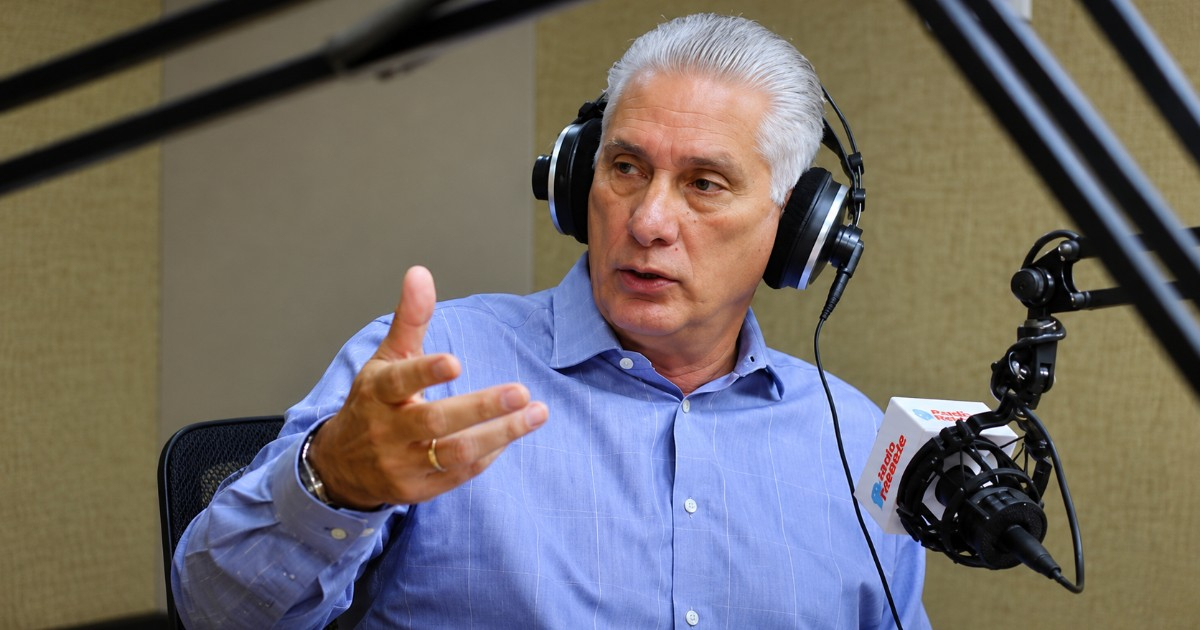
The declaration was made during the conclusion of "Criterio Compartido," a new bi-weekly radio program that the Cuban leader co-hosts with journalist Bárbara Betancourt on Radio Rebelde, airing at 7:15 a.m.
Trump's Criticism and U.S.-Cuba Relations
On Tuesday, Trump addressed the 81st UN General Assembly, labeling Cuba as "a completely failed state" and predicted its downfall, promising that "freedom will come to Cuba." He also mentioned that Secretary of State Marco Rubio is actively engaged in negotiations with the island nation.
Díaz-Canel condemned Trump's speech as "utterly arrogant, overbearing, and interventionist," claiming it reveals a "genocidal, criminal mindset with contempt for Cuba and its people." He accused Washington of using the "failed state" label to dodge responsibility: "They always try to brand us as a failed state to deflect blame for the genocide committed through the intensified and prolonged blockade."
Cuba's Energy Crisis and Economic Hardships
Beyond responding to Trump, the radio show highlighted Cuba's severe energy crisis. "No fuel shipments have arrived in nine months. How can the economy be sustained?" Díaz-Canel questioned.
When asked by a listener about the possibility of acquiring fuel from allied nations, the leader said, "We've explored all avenues for fuel, but none is coming from anywhere in the world." He attributed the situation to an executive order by President Trump, signed on January 29, 2026, which extended restrictions on energy supplies and discouraged shipping companies and third countries from supplying the island.
This crisis has resulted in at least eight nationwide blackouts in a year, with power generation deficits exceeding 2,000 MW and outages lasting over twenty hours daily in some areas.
Public Sentiments and Economic Reforms
Listeners' calls during the program highlighted the daily struggles of Cubans. Pedro Rodríguez Martínez from Contramaestre reported that cooking oil prices range from 3,600 to 5,000 pesos, summarizing the hardship: "Wages and pensions are insufficient to live."
Juana Pérez, an 88-year-old retiree from Havana, shared her struggle to meet her needs on a 2,000 pesos monthly pension, urging that new measures focus on the elderly.
The program also emphasized the defense of 176 economic transformations presented to the National Assembly in June 2026. "These changes are neither a shift towards capitalism nor a process of capitalist restoration," Díaz-Canel stated, outlining the goals of the new economic measures: "More production, more jobs, and higher wages."
“Criterio Compartido” will air on alternating Wednesdays. Díaz-Canel assured that all listener submissions, even those not aired, will be addressed. He closed with a statement defining the program's principle: "Every voice in Cuba matters."
Understanding Cuba's Current Challenges
What did Díaz-Canel say about Trump's UN speech?
Díaz-Canel criticized Trump's speech as arrogant and interventionist, asserting it showed a contemptuous and genocidal mindset towards Cuba and its people.
What is causing the energy crisis in Cuba?
According to Díaz-Canel, the energy crisis is due to a lack of fuel shipments for nine months, exacerbated by an executive order from Trump restricting energy supply to Cuba.
How are Cubans coping with economic hardships?
Cubans are struggling with high prices and insufficient wages or pensions, as highlighted by listeners' calls during the radio program.