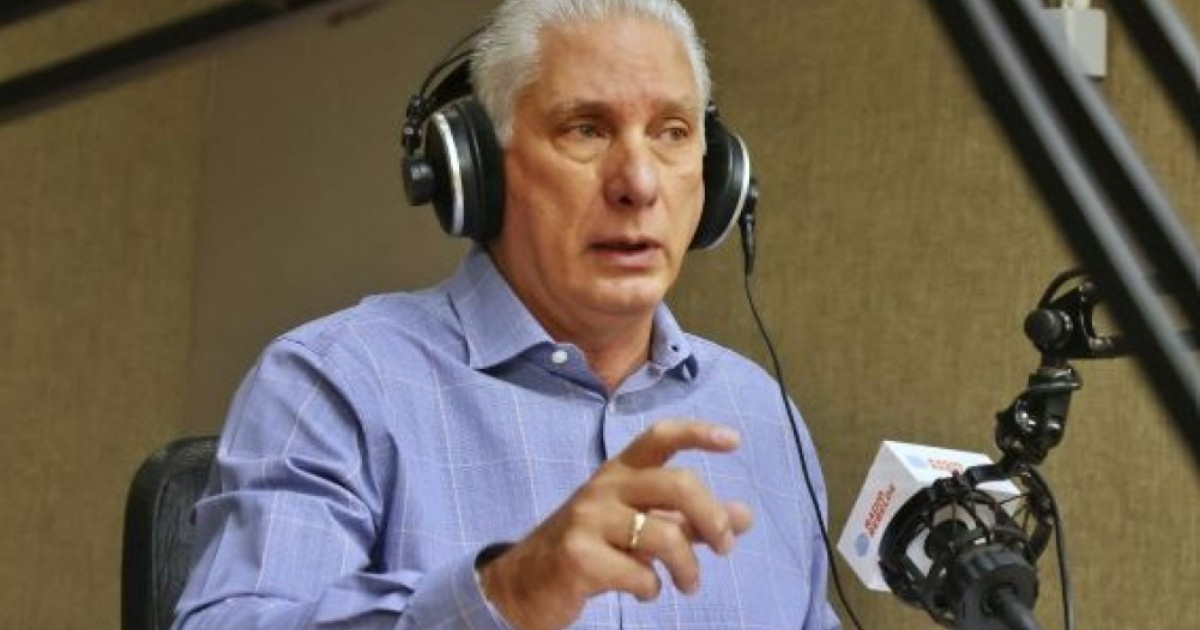
On Wednesday, Miguel Díaz-Canel made his debut as the host of "Shared Opinion," a new radio show on Radio Rebelde. Although the regime promoted it as a "citizen participation" platform, the voices that managed to make it to the airwaves highlighted the harsh realities faced by Cubans: insufficient wages, meager pensions, and a nation that has been without fuel for months.
The program aired at 7:15 am, featuring official journalist Bárbara Betancourt, and is also available on podcast platforms, including Spotify.
Voices of Dissent Highlight Cuba's Struggles
The most striking call came from Contramaestre. Pedro Rodríguez Martínez didn't mince words: "Salaries and pensions aren't enough to live on," he stated, pointing out that cooking oil prices range from 3,600 to 5,000 pesos.
Juana Pérez, an 88-year-old retiree in Havana, shared her struggle of surviving on a 2,000-peso pension and urged for urgent attention to senior citizens. Natalia Caridad Quintana complained about waiting over a decade for uncultivated land in Arroyo Naranjo. Díaz-Canel assured her, "You will receive a response about your land."
Fuel Shortages Compound National Woes
Another listener inquired about the possibility of receiving fuel from allied countries. The leader's response was telling: "We've made all kinds of efforts for fuel, and none is coming from anywhere in the world." He further revealed, "It's been nine months since a fuel ship has arrived in this country."
This revelation came just days after Cuba experienced its eighth nationwide blackout in 2026.
Responses to Criticism and International Relations
As the show came to a close, Díaz-Canel addressed the speech delivered by Donald Trump at the UN the previous day, in which Trump labeled Cuba as a "completely failed state."
The Cuban leader dismissed Trump's remarks as "totally arrogant, overbearing, and interventionist," closing with a defiant statement: "Cuba's freedom arrived on January 1, 1959, with that Revolution, and we will not lose it."
Unsurprisingly, the comments allowed on-air were heavily filtered. However, the discussions that unfolded on digital platforms painted a much different picture.
On the Cuban Presidency's X account, one user wrote: "67 years of trying to govern a country and... yes, they've managed to ruin it, with repression, hunger, and misery. That's what communists know how to do."
Comments on the Facebook page of the show "Hola Habana" were no kinder. "Suffers from rampant ineptitude," one user noted. Another quipped, "Hahaha. I'll call in during the next show to see."
A third pointed out, "More of the same. If the show will continue with the same responses as this year's interviews, it's better not to waste time."
Critics highlighted the leader's disconnect: "He lives in another country called Siboney, where those who govern Cuba live, and everything is abundant, nothing lacking."
One user added, "Apparently, he's unaware that the country is adrift, the police are corrupt, and thieves are robbing in broad daylight, not to mention that food in Cuba is the most expensive in the world."
Another critique read: "It's the easiest and most limiting thing in the world... to blame others."
One scathing summary from another user stated: "He doesn't tire of making a fool of himself. The country is completely adrift, and he's playing at being a broadcaster, with no charisma whatsoever."
"Shared Opinion" will air on Wednesdays on a bi-weekly basis.
Frequently Asked Questions about Cuba's Current Situation
What is the main issue highlighted during Díaz-Canel's radio debut?
The primary concern raised was the inadequacy of wages and pensions to sustain a decent living, along with the ongoing fuel shortages.
How has the Cuban public reacted to the new radio program?
Many Cubans expressed criticism and frustration, both on-air and on digital platforms, highlighting the government's disconnect from the populace's struggles.