The island of Cuba has recorded 7,133 cases of dengue in the year 2026, a figure that significantly surpasses the typical levels for this period, according to the latest data from the Global Dengue Observatory (GDO) at the London School of Hygiene & Tropical Medicine.
Relying on official data and statistical models to predict the progression of the disease, the observatory reports that the current season's cases are at an elevated level. The number of reported and estimated cases is roughly 7.4 times higher than what historical trends in the country would predict.
"So far in 2026, the reported cases have dramatically exceeded expectations. The numbers are currently on the rise, aligning with the seasonal trends observed in previous years," the GDO highlighted in their analysis.
Summer Surge in Dengue Cases
August saw the most significant increase, with an estimated 3,214 cases—far exceeding what's typically expected at this time of year.
In July, the estimate was around 2,173 cases.
The GDO clarifies that official data are only available through June, with subsequent figures being estimates to address the usual delays in epidemiological reporting.
Expected Peak and Multiple Viral Strains
The situation could deteriorate in the upcoming weeks. Historically, October is known to be the peak month for dengue transmission in Cuba, indicating that the country may not have reached the season's climax yet.
The surge in cases comes after an alert by the Ministry of Public Health (MINSAP) in June regarding the risk of a dengue epidemic. At that time, the Vice Minister of Public Health, Carilda Peña, warned that all four serotypes of the virus—DENV-1, DENV-2, DENV-3, and DENV-4—are circulating simultaneously in the country.
The presence of multiple serotypes raises the risk of complications, particularly for individuals who have had dengue before and might now be infected with a different variant.
Hotspots and Health Alerts
Currently, the provinces of Guantánamo, Villa Clara, and Matanzas are experiencing the highest transmission rates. As of September 9, the municipalities of Imías, Baracoa, and Guantánamo city reported active transmission, with over 30 confirmed PCR cases and circulation of serotypes 2, 3, and 4.
This week, the municipality of Manuel Tames in Guantánamo was put on high alert due to the rising dengue cases.
In Villa Clara, the municipality of Ranchuelo saw a spike in dengue hemorrhagic fever cases in July, with at least 12 individuals hospitalized during the outbreak.
Environmental and Social Factors
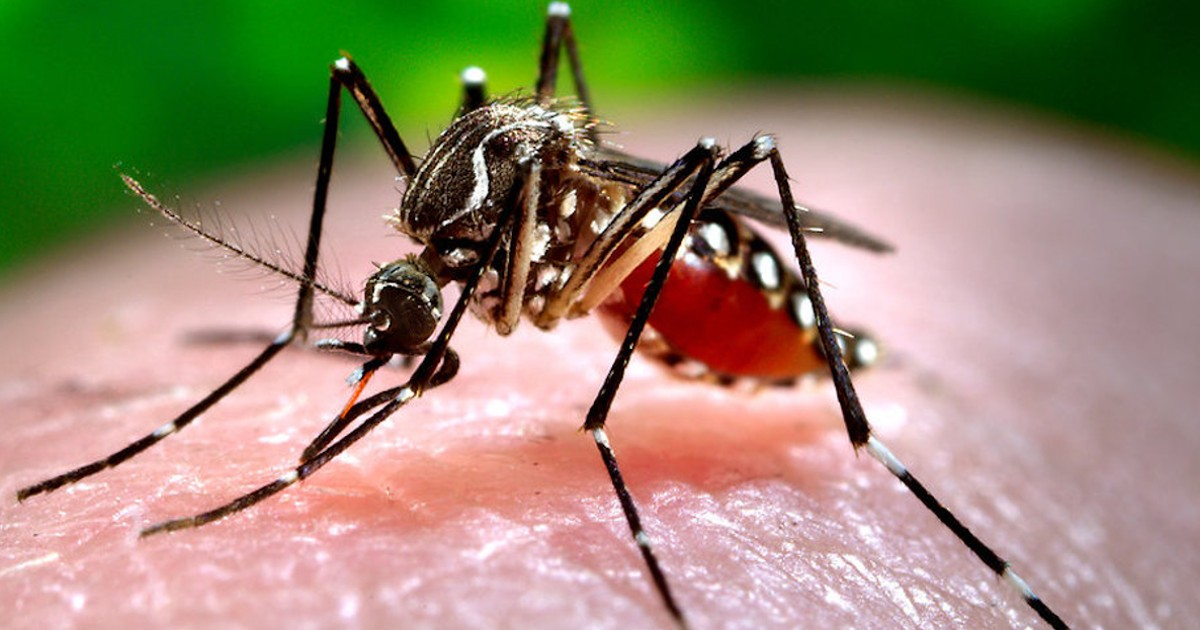
The spread of dengue is occurring amidst conditions that facilitate the breeding of the Aedes aegypti mosquito, the primary vector of the virus. Accumulated garbage, water leaks, and the need to store water during frequent power outages are factors cited by experts and health authorities as complicating efforts to control the vector.
This recent surge follows a 2025 marked by rampant arbovirus activity in Cuba, where MINSAP reported over 81,900 combined cases of dengue and chikungunya, acknowledging at least 55 deaths.
Frequently Asked Questions about Dengue in Cuba
Why are dengue cases increasing in Cuba?
Dengue cases are rising due to the simultaneous circulation of all four virus serotypes, environmental conditions that favor mosquito breeding, and delays in epidemiological reporting.
What measures are being taken to control dengue in Cuba?
Efforts include alerting the public, monitoring transmission hotspots, and addressing environmental factors like garbage and water storage that facilitate mosquito breeding.
What are the risks of having multiple dengue serotypes circulating?
Having multiple serotypes increases the risk of severe complications, especially in individuals previously infected with a different serotype, as they may develop more severe forms of the disease.