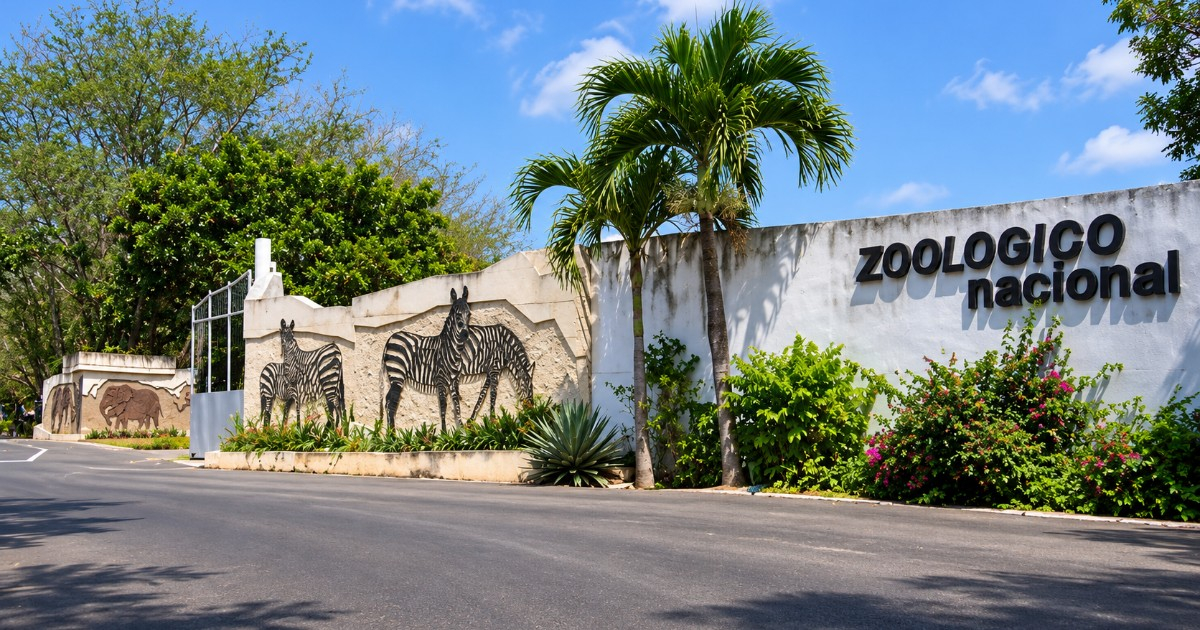
The ongoing economic and energy crisis in Cuba is forcing the National Zoo in Havana to ration food, increasingly rely on private donations, and restrict breeding programs to maintain the welfare of nearly 1,000 animals, including species that are vulnerable or facing extinction.
This challenging scenario was reported by AFP during a recent visit to the park, where staff and veterinarians expressed the difficulties in securing meat, medicines, fuel, and water amidst the island's prolonged turmoil.
Challenges in Feeding Large Predators
One of the most pressing issues is feeding the large predators. Ángel Cordero, a veterinarian responsible for these animals, shared that rationing food is necessary to prevent supply depletion.
"Providing too much is pointless if it only lasts three days," Cordero told AFP.
An adult big cat requires around seven kilograms of meat daily, but obtaining such quantities has become increasingly difficult. Even when food is available, frequent power outages, sometimes lasting up to 30 hours, complicate its preservation.
Private Donations and Resource Scarcity
During AFP's visit, no animals appeared malnourished or ill. However, Cordero acknowledged that two Bengal tiger cubs, including a white one, "could be in better condition."
The zoo, located approximately 20 kilometers from Havana's center and spanning 345 hectares, hosts populations of black and white rhinos, hippos, jaguars, zebras, and other species of significant conservation value.
Resource scarcity has also driven the zoo to depend on private assistance. Every Monday, Ana Fernández, a Cuban-American born in Tennessee and residing in Cuba for nine years, donates meat for the animals.
"Animals shouldn't have to suffer," Fernández stated, though she admitted, "some days there isn't enough for everyone."
Impact of Electricity and Fuel Shortages
The challenges extend beyond food. According to AFP, the zoo recently endured 23 days without electricity, leaving the facility without running water as well.
The zoo's director, Juan Carlos Corella, explained that workers sought alternatives, including transporting water by trucks and daily searches for food, though he acknowledged that keeping the facility operational has become "very difficult."
Fuel shortages also affect the staff. Yoel Machado, responsible for animal welfare, explained that many workers use bicycles, scooters, or electric motorcycles to ensure the animals receive daily water and food.
Reduced Breeding Programs and Staff Departure
Adding to the difficulties is the loss of specialized personnel. Over a third of the veterinarians have left the zoo seeking better-paying jobs, mainly in the private sector, with some ending up in cafés and others in private veterinary clinics.
The crisis has also led to reduced breeding programs. The zoo houses the only breeding group of black rhinos outside Africa, a significant population of white rhinos, the largest herd of Grant's zebras in the Americas, and several hippos that reproduce regularly.
"We cannot continue increasing the number of animals," Machado explained, emphasizing the priority of ensuring the existing population receives the best possible care.
Temporary Closure and Reopening
This warning contrasts with an earlier statement from the institution just days before. On September 10, the National Zoo announced an indefinite closure due to the lack of electricity and water, raising concerns about the animals' welfare.
Three days later, the institution announced its reopening, assuring that their animals were "in perfect condition" and continuously cared for by the staff.
Despite the challenges, the park has seen the birth of tigers, hyenas, jackals, and a black dromedary named Esperanza, the first of its kind born in Cuba in three decades.
FAQs About Cuba's National Zoo Crisis
What challenges does the National Zoo in Havana face due to the economic crisis?
The zoo faces difficulties in securing food, medicines, fuel, and water, leading to food rationing, reliance on private donations, and reduced breeding programs.
How are large predators like big cats being affected?
Big cats require a substantial amount of meat daily, but due to supply challenges and power outages, their food is being rationed, impacting their nutrition.
Has the zoo been temporarily closed due to the crisis?
Yes, the zoo announced a temporary closure on September 10 due to electricity and water shortages, but reopened shortly after, assuring that the animals were well cared for.