A Cuban man who sold his apartment in Havana and paid $10,000 to smugglers to reach the United States ended up spending over a year in immigration detention and was deported back to the island without ever experiencing a single day of freedom in the U.S.
Known as Orbe in the investigative piece "Náufragos en La Habana" by El Faro, a Central American publication renowned for its in-depth journalism, his story was brought to light. El Faro, established in El Salvador in 1998 and now a nonprofit based in Costa Rica, caught up with Orbe again in Havana, where he now works as a gym instructor after his deportation in March 2025.
Orbe has a new opportunity to leave Cuba; reportedly, Mexico has granted him a visa again. At 32 years old, when he decided to emigrate in 2024, he was studying at the University of Physical Culture and working as a gym instructor, but he felt his future in Cuba was bleak.
Orbe's Journey to the United States
Upon receiving a Mexican visa, he sold his small apartment in El Vedado for $15,000. A friend living in the U.S. had offered him a job polishing and waxing cars, though Orbe had bigger dreams: joining the U.S. Air Force, serving for several years, and eventually seeking citizenship. He left Cuba in January 2024.
To complete his journey, he hired a coyote recommended by his friend, agreeing to pay $10,000 upon arrival. However, upon reaching Mexicali, he realized he had been deceived. "They took me to Mexicali, and that's when I realized I had been swindled," he recounted.
A Detained Dream
An armed man demanded the money before crossing him over. Ultimately, Orbe paid the $10,000, but the smugglers merely dropped him off in U.S. territory and abandoned him. Shortly after, he was intercepted by immigration officers.
Unlike many Cuban migrants who were processed and released while their immigration cases were pending, Orbe remained in detention. Initially held in Arizona, he fell ill and was placed in isolation. While detained, other Cubans were transferred and eventually freed, but he stayed behind.
The Complications of His Asylum Case
Orbe began the process to seek asylum in the United States. During a credible fear interview, his past service in the Cuban military became a significant issue. He explained to an officer that he transcribed documents, which included information about military promotions and individuals labeled by Cuban authorities as "counter-revolutionaries."
The U.S. authorities interpreted his military service as potential collaboration with the Cuban government, complicating his immigration case.
Facing Immigration Court
After approximately three months in Arizona, Orbe was transferred to a detention center in Texas, where his case was heard by Immigration Judge Stuart D. Alcorn. According to Orbe, during one of the hearings, the issue of his military service arose again. The judge remarked that the mandatory nature of Cuban military service didn't automatically disqualify him from asylum.
However, Alcorn ultimately denied his asylum request, as Orbe had not demonstrated he faced persecution or torture upon returning to Cuba. Orbe chose to appeal the decision.
An Appeal and a Setback
Months passed in detention as his appeal was pending. Orbe avoided contacting his mother due to the emotional toll of his situation. "It breaks you," he reflected. Eventually, a friend informed him that his appeal had been successful. "You won the appeal!" he was told.
Yet, despite the appeal's success, he was informed by an immigration officer that new measures under Donald Trump's administration prevented his release. This aligns with the stricter border policies implemented after Trump's return to the White House on January 20, 2025. These measures included declaring a national emergency at the southern border and restricting asylum access.
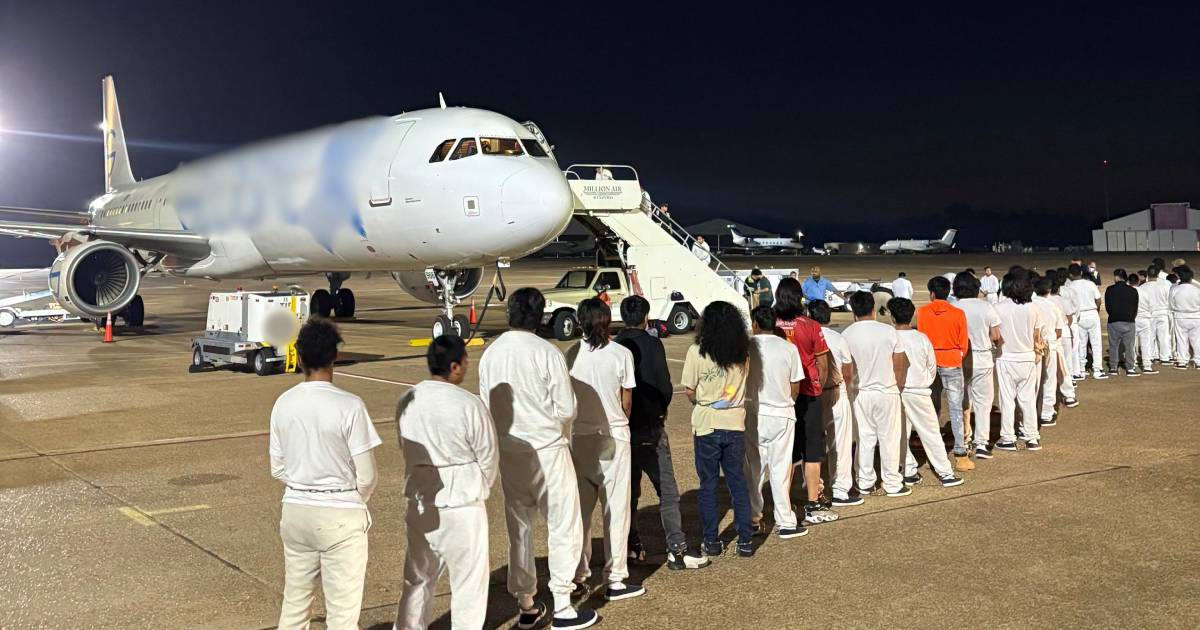
Ultimately, Orbe was placed on a federal plane with other detainees and sent back to Cuba. He had left the island in January 2024 and was deported in March 2025.
Understanding Orbe's Immigration Journey
Why did Orbe decide to leave Cuba?
Orbe decided to leave Cuba because he felt he had no future there. He was studying and working as a gym instructor but sought better opportunities abroad, including hopes of joining the U.S. Air Force.
What complications did Orbe face during his asylum process?
His past service in the Cuban military became a significant issue during his asylum process. The U.S. authorities viewed his military duties as potential collaboration with the Cuban government, complicating his case.
What was the outcome of Orbe's immigration appeal?
Orbe's appeal was reportedly successful, but due to new immigration policies under the Trump administration, he was not released and was ultimately deported back to Cuba.