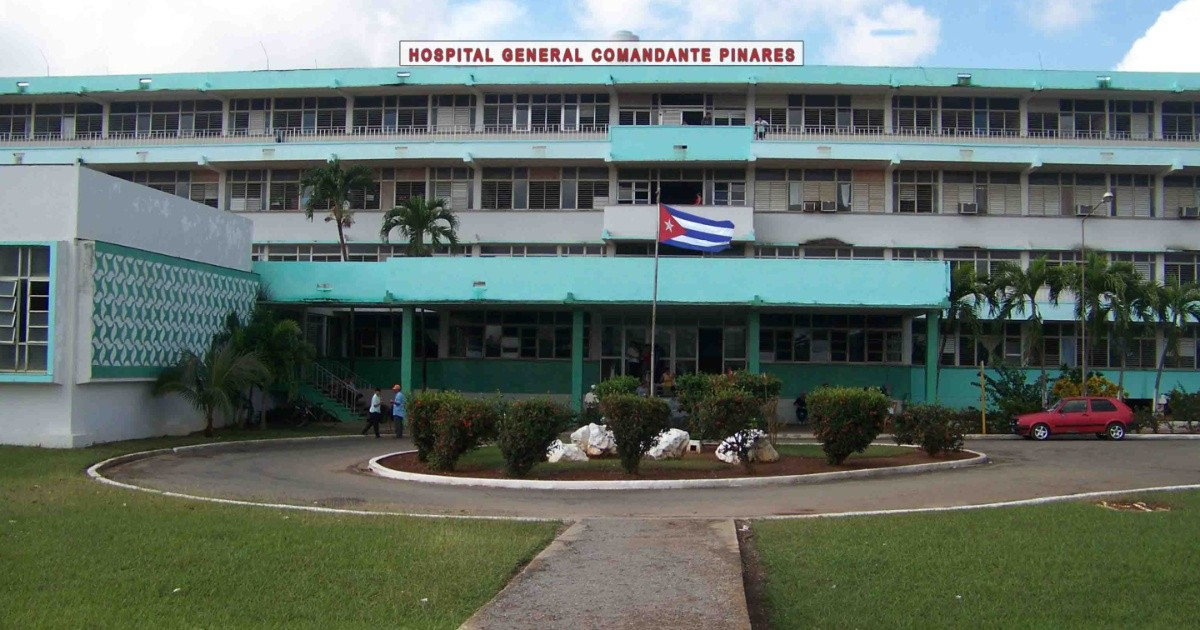
Over the weekend, a Cuban family took to Facebook with a desperate plea for help. They are in dire need of intravenous paracetamol, specifically 1,000 mg, the only medication that can stabilize an eight-year-old boy currently in critical condition at the Comandante Pinares General Teaching Hospital in San Cristóbal, Artemisa.
The boy, whose name has been withheld, suffers from epilepsy and is trapped in a relentless cycle of high fever and seizures. The situation is exacerbated by the lack of medication to lower his body temperature.
“Our family is going through an incredibly difficult time. We have an 8-year-old boy in critical condition. He has epilepsy and is experiencing high fever and seizures. The fever must be reduced to stop the seizures. We urgently need intravenous paracetamol, as it's the only way he can receive it in his current state,” wrote Sureivy Torres, a relative of the child, in her heartfelt post.
The specific medication required is "Paracetamol Normon 10 mg/ml solution for infusion," an intravenous form crucial when oral administration is not an option.
“If anyone has it or knows of a pharmacy, hospital, or source where we can obtain it, please contact me immediately. We are willing to pay whatever is necessary,” Torres added, emphasizing the urgency with: “Every minute counts.”
Pharmaceutical Shortages Highlighted
This case underscores the pharmaceutical crisis plaguing Cuba. Health Minister José Ángel Portal Miranda recently acknowledged to the National Assembly that merely 30% to 32% of essential medicines are available nationwide, with availability dropping to just 10% in provinces like Ciego de Ávila.
As of April 2026, 461 out of 651 essential drugs were missing from the national basic list. In June, Biocubafarma admitted it couldn't supply nearly 300 of the 395 medications promised to the national health system.
Antiepileptic medications are among the hardest hit. In July, Medicuba S.A. reported the seizure of two containers of sodium valproate, a critical antiepileptic, at the port of Cartagena, affecting thousands of Cuban patients, including children.
Social Media: A Lifeline for Medication
Turning to social media has become a widespread strategy for obtaining medications that the healthcare system fails to supply in Cuba. In August, the mother of Rosmiel Jesús Sánchez Castillo, another eight-year-old with severe epileptic encephalopathy, publicly denounced the state's neglect and the lack of basic supplies in Pinar del Río.
“Unfortunately, we live in a country lacking resources, under a government focused solely on its own benefit, falsely claiming to be a medical power,” wrote Rosalba Castillo, Rosmiel's mother, in a viral post.
The U.S. Embassy in Havana recently warned that common drugs like paracetamol, ibuprofen, and antibiotics are often scarce in Cuba, advising travelers to bring their own supplies.
The Comandante Pinares Hospital, where the young boy remains hospitalized, is the largest medical facility in Artemisa with 420 beds, 39 specialties, and 22 services. However, like other Cuban hospitals, it operates amid a severe shortage of over 70% of necessary medications.
FAQs on Cuba's Medication Crisis
What is the current status of medication availability in Cuba?
Medication availability in Cuba is critically low, with only 30% to 32% of essential drugs accessible nationwide, and in some areas like Ciego de Ávila, it is as low as 10%.
How are families in Cuba coping with drug shortages?
Many families resort to social media to request help in obtaining medications that are not provided by the healthcare system, often offering to pay for these drugs at any cost.
Why is intravenous paracetamol necessary for some patients?
Intravenous paracetamol is crucial for patients who cannot take medication orally, as it allows for direct administration of the drug, which is essential for stabilizing conditions like high fever and seizures.