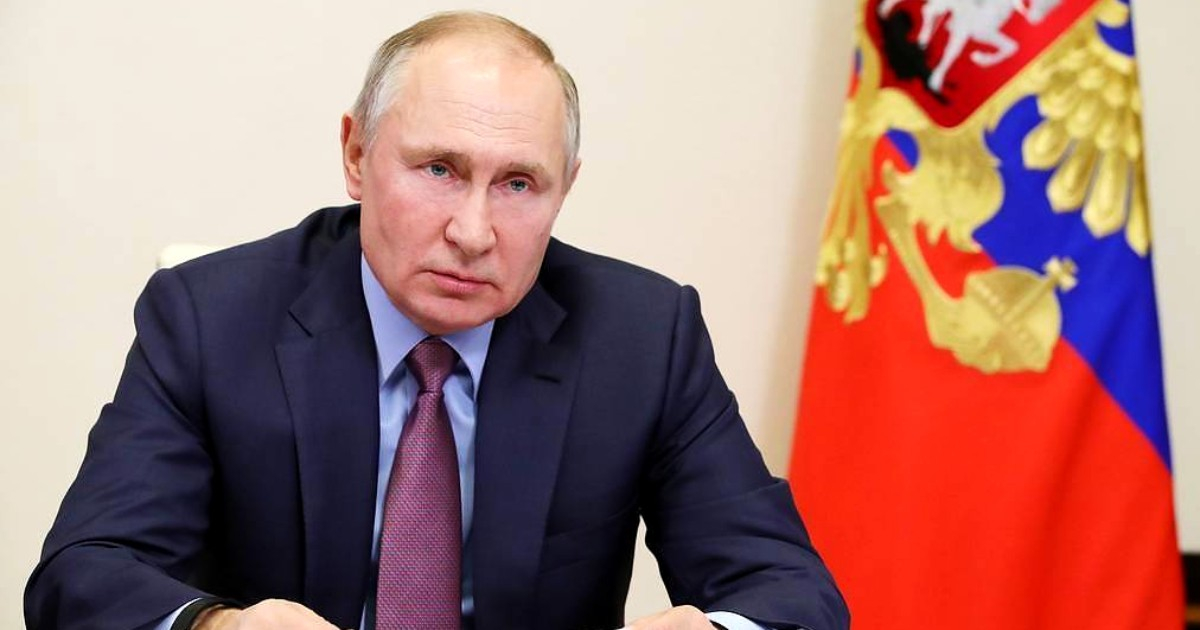
On September 17, Vladimir Putin enacted a decree that places the Russian assets of five major Western corporations under "temporary management." This move impacts the Swiss giant Nestlé and four French enterprises—Auchan, Lemana Pro (formerly Leroy Merlin), FM Logistic, and Bati Logistics. According to CNN, this marks the largest wave of expropriations since the onset of the conflict in Ukraine.
Kremlin spokesperson Dmitry Peskov defended the action on Friday, labeling the affected businesses as "European companies from unfriendly countries… currently actively engaged in hostilities against us."
These assets, totaling 16 Russian legal entities, have been transferred to L.E.V. Management, a state-created entity for this purpose, with a newly appointed general director just a week prior to the decree.
The Scope of Seized Assets
The scale of these seizures is significant: Nestlé operates six production plants in Russia, employing more than 7,000 people with annual sales of approximately $335 million; Auchan runs 241 outlets, including 62 hypermarkets, with a workforce of 33,000; Lemana Pro oversees 112 megastores and 11 logistics centers; FM Logistic contributes three automated warehouses; and Bati Logistics adds smaller-scale physical assets.
The Russian framework does not include market-value compensation. A frequently cited example is that of Renault, which received a symbolic ruble for assets valued at 2.2 billion euros in May 2022. Moscow-based NSP estimates that foreign property confiscated through this mechanism has already exceeded $50 billion.
Legal and Economic Implications
The legal framework behind these expropriations—such as Presidential Decree No. 299—also allows Russia to suspend control over trademarks and patents. This means brands like KitKat or Nescafé can continue to be sold under their original names without parent company approval.
Transactions are funneled through Promsvyazbank, a bank linked to the Ministry of Defense, effectively preventing European parent companies from freezing accounts or declaring preventive bankruptcies.
This measure is part of a sustained escalation of expropriations that began with the 2022 invasion of Ukraine. By July 2023, the Kremlin had already used the same strategy against Danone's Russian subsidiary and Carlsberg, which owned Baltika Breweries. In the first half of 2026 alone, Russia seized assets worth $10.16 billion across 15 different cases, according to analytics firm AK&M.
International Reactions and Future Concerns
France, home to four of the five affected companies, responded with a joint statement from its Foreign and Economic Ministries, calling the action "unjustified" and demanding Moscow reverse the decision.
Nestlé announced it was evaluating its options and vowed to "take all necessary measures to protect its rights and ensure the continuity of operations for the benefit of all stakeholders, especially its employees." The company's shares fell 2% on the Zurich stock exchange.
Alexandra Prokopenko, a researcher at the Carnegie Russia-Eurasia Center in Berlin, warned in The New York Times that the Russian Prosecutor General's Office "has vigorously pushed a series of nationalizations and reopened 1990s privatization deals on the grounds they violated the country's economic sovereignty," marking an unprecedented asset redistribution since the Soviet Union's collapse.
Potential future targets include banks like Raiffeisen and UniCredit, oil companies BP and TotalEnergies, and American corporations PepsiCo and Mondelez International.
Impact of Russian Expropriations on International Businesses
What prompted Russia to seize these foreign assets?
The Kremlin justified the expropriations by labeling the affected businesses as companies from "unfriendly countries" engaged in hostilities against Russia.
How are these expropriations being legally justified by Russia?
Under Presidential Decree No. 299, Russia can suspend control over trademarks and patents, allowing them to continue selling products under their original brands without parent company approval.
What has been the international response to these actions?
France, where four of the affected companies are based, issued a joint statement deeming the actions unjustified and urged Moscow to reverse the decision.