The Florida Department of Health (DOH) is considering expanding the list of vaccines that pharmacists are authorized to administer to include the chikungunya vaccine. This viral disease, which is spread by mosquitoes, has seen a significant rise in reported cases in the state this year.
This proposal was announced by Telemundo 51, based on a report from the News Service of Florida. The change aims to amend rule 64B16-27.650, which currently governs the additional immunizations that pharmacists are permitted to provide in Florida.
The Florida Board of Pharmacy has officially published a notice confirming the intention to revise this rule to incorporate new vaccines. A public comment period has been established and will remain open until October 8th.
According to the DOH's report on notifiable diseases, as referenced by the News Service of Florida, there have been 189 reported cases of chikungunya in Florida so far in 2026. Of these, 120 cases were in Miami-Dade County, with around 92 cases reported in January alone.
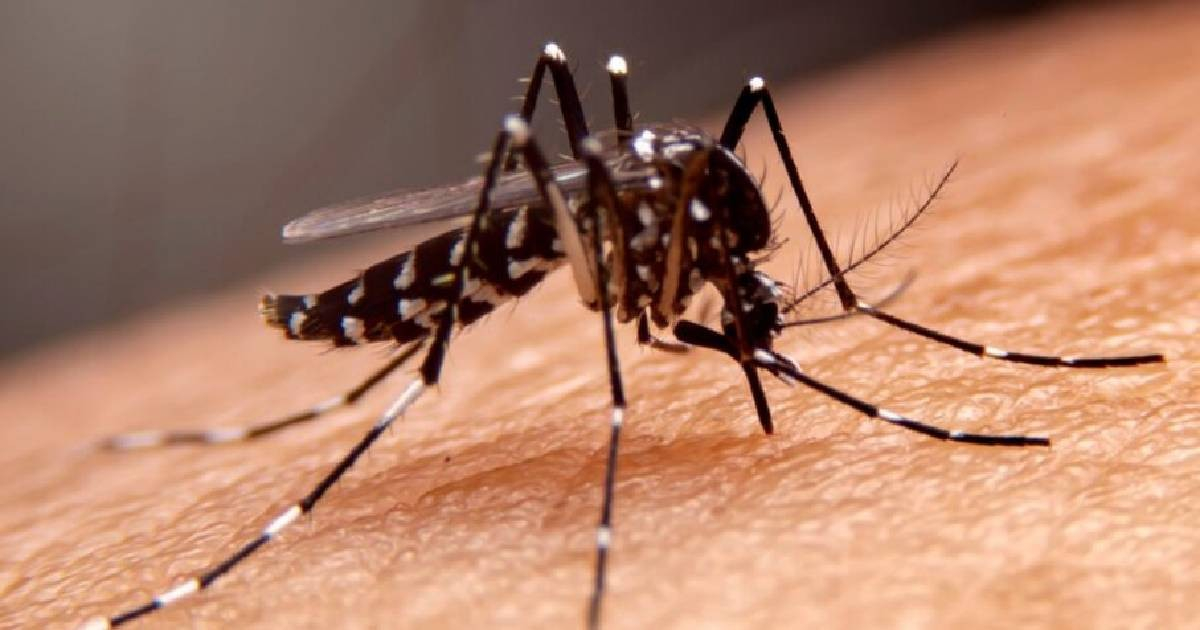
Chikungunya is primarily spread by the Aedes aegypti and Aedes albopictus mosquitoes, both of which are found in Florida. The infection can cause severe joint pain and fever, often being mistaken for dengue or Zika due to similar symptoms.
The Centers for Disease Control and Prevention (CDC) currently offer the VIMKUNYA vaccine in the United States. This vaccine, containing virus-like particles, is approved for individuals aged 12 and older. It is mainly recommended for certain travelers at risk of exposure and laboratory workers. Florida's proposal would increase the vaccine's availability but does not suggest making it a routine immunization for the general population.
DOH epidemiological data further indicate that not all chikungunya cases are the result of local transmission within Florida. In their weekly arbovirus surveillance report covering the period from September 6 to September 12, the agency recorded 66 travel-related cases and one locally acquired case in Miami-Dade, with symptoms beginning in August.
This proposal emerges during an especially active season for other mosquito-borne diseases in Florida. On the same Friday, the Orange County Health Department confirmed two new locally acquired dengue cases and announced increased mosquito control efforts in affected communities.
The latest state report, as of September 12, documented 152 locally acquired dengue cases in Florida, predominantly in Hillsborough, in addition to Miami-Dade, Orange, Palm Beach, Pasco, and Pinellas counties. There were also 186 cases linked to international travel. This situation has already prompted alerts in the southern part of the state.
In August, the Department of Health confirmed a locally acquired dengue case in Miami-Dade, initiating coordinated mosquito surveillance and control actions. In early September, the rising number of dengue cases led to enhanced fumigation and monitoring across several Florida counties, including Hillsborough, Pinellas, Orange, and Miami-Dade.
Understanding Chikungunya and its Impact in Florida
What is chikungunya and how is it transmitted?
Chikungunya is a viral infection transmitted primarily by the bites of infected Aedes aegypti and Aedes albopictus mosquitoes. It causes severe joint pain and fever, often resembling symptoms of dengue and Zika.
What changes are being proposed regarding the chikungunya vaccine in Florida?
The Florida Department of Health proposes allowing pharmacists to administer the chikungunya vaccine, expanding its availability beyond current recommendations which focus primarily on certain travelers and laboratory workers.
How many chikungunya cases have been reported in Florida in 2026?
As of now, there have been 189 chikungunya cases reported in Florida in 2026, with 120 of those occurring in Miami-Dade County.