The National Electric System (SEN) in Cuba suffered its eighth complete blackout of the year this Friday, following the successive failure of two high-voltage transmission lines originating in Matanzas, as confirmed by the state-run Unión Eléctrica via a Facebook statement.
The first disruption involved the 220 kV line between Matanzas and Cienfuegos, followed by the line connecting Matanzas to Santa Clara. According to the government entity, unstable weather patterns in the region also played a significant role in the system's collapse.
The incident unfolded rapidly: the initial failure split the grid into two distinct zones—Eastern and Western Cuba—culminating in a total disconnect of the SEN just minutes later. "Initially, the system was divided into Eastern and Western Zones, leading to a complete disconnection shortly thereafter," noted the Unión Eléctrica.
This breakdown occurred while the system was already stretched to its limits. On Friday, the power outage report indicated a mere 1,113 MW of generation available against a forecasted demand of 3,210 MW, with a maximum anticipated shortfall of 2,007 MW.
Impact Across Regions
Prior to the full blackout, Havana was experiencing power shortages of 358 MW across 117 circuits, while Villa Clara faced outages in 142 circuits with a deficit of 204 MW.
This technical pattern is not unprecedented. On August 2nd, the same simultaneous failures of the Matanzas-Cienfuegos and Matanzas-Santa Clara lines caused the sixth disconnection of the year, affecting five western provinces. The following day, a frequency fluctuation during recovery led to the seventh outage, taking 17 hours and 45 minutes to rectify.
Systemic Weaknesses
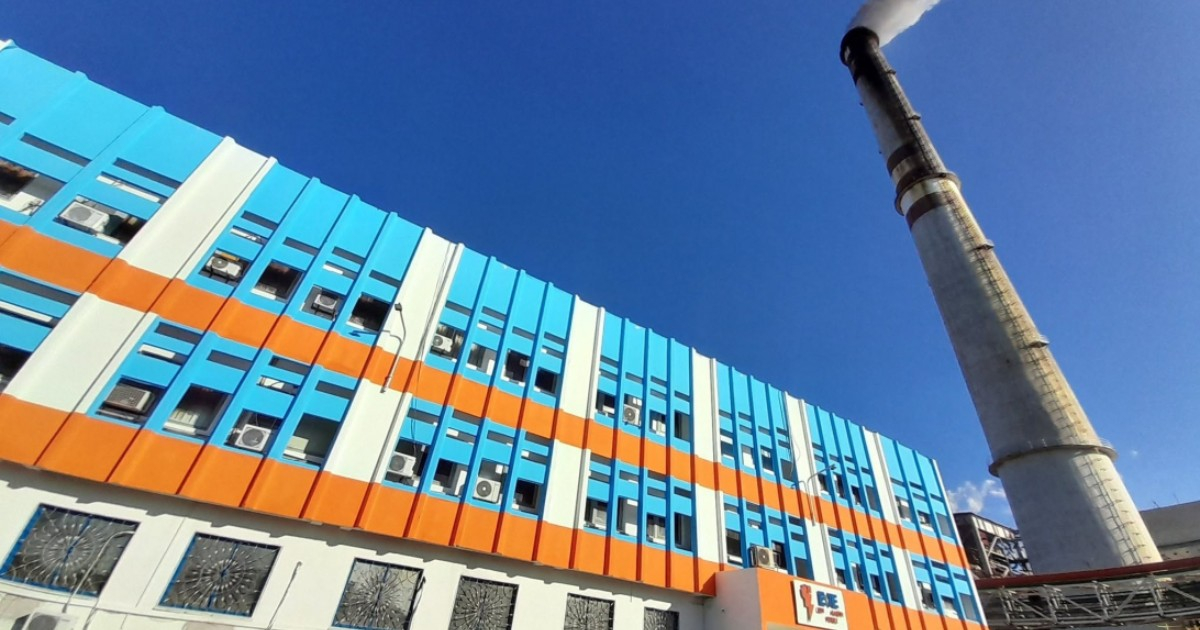
The Matanzas node serves as a critical juncture for trunk lines linking the western and central-eastern parts of Cuba, making any failure there a potential trigger for a cascading system-wide collapse. The Antonio Guiteras thermoelectric plant, Cuba's largest and located in Matanzas, has experienced at least 17 unscheduled shutdowns in 2026 and has not undergone major maintenance since 2010, as acknowledged by the official newspaper Granma.
Following the seventh blackout, Vicente de la O Levy, the Minister of Energy and Mines, dismissed operational errors as the cause of these issues, attributing them instead to network fluctuations and fuel shortages. Earlier in May, the same official admitted that Cuba had no reserves of fuel oil or diesel for electricity generation.
The eight widespread blackouts in 2026 occurred as follows: two in March, three in July (on the 6th, 10th, and 14th), two in August, and the latest on this Friday. The Cuban power crisis is rooted in decades of underinvestment, outdated power plants over 40 years old, and a chronic fuel shortage that the regime has failed to address.
The Unión Eléctrica did not specify in its statements how long the restoration of the SEN would take.
Cuban Electric System Blackouts: Key Insights
What caused the eighth nationwide blackout in Cuba this year?
The blackout was triggered by the failure of two high-voltage transmission lines in Matanzas, compounded by unstable weather conditions.
How did the failure of transmission lines affect the power grid?
The initial line failure divided the grid into two zones, Eastern and Western Cuba, leading to a total disconnect of the National Electric System within minutes.
What factors contribute to Cuba's ongoing power crisis?
Cuba's power crisis is mainly due to decades of underinvestment, aging power plants, and a chronic shortage of fuel.