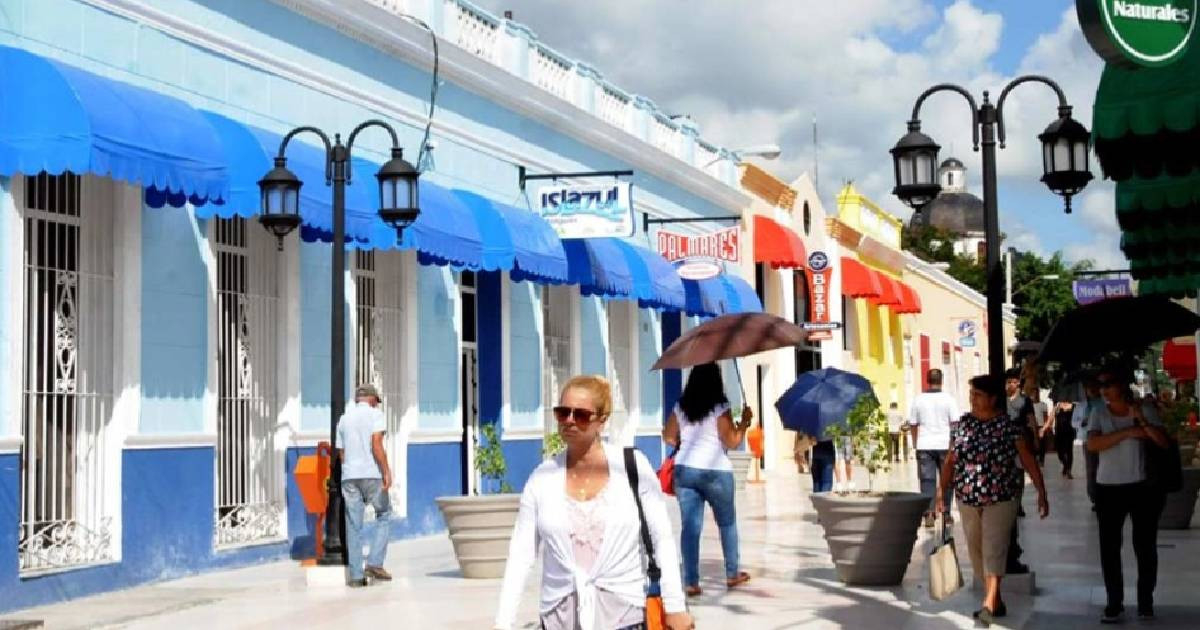
The Libertad Street Boulevard in Holguín, originally designed in 2005 as a pedestrian-only walkway connecting the historic center's plazas, has lost its intended purpose. It has transformed into a chaotic thoroughfare overrun by bicitaxis, tricycles, bicycles, and animal-drawn carts.
This transformation was highlighted by the provincial broadcaster Radio Angulo on Friday, describing the section between Luz Caballero and Arias streets as a "heterogeneous and chaotic transit path," where "pedestrians have gone from being the main focus to becoming endangered onlookers."
Initially envisioned as a 280-meter-long space for community interaction, the boulevard was never meant to descend into disorder, the report emphasized.
"Protecting the boulevard is not merely an aesthetic whim but a necessity for community coexistence and respect for collective heritage. Losing a boulevard means losing more than just a walkway; it means losing a piece of the community's soul," Radio Angulo stressed, while directly addressing the institutions responsible for urban planning.
The "La dama de la sombrilla" sculpture, a key decorative feature of the boulevard, collapsed on the night of May 15. This incident occurred despite social media users having previously warned about its visible deterioration, including deep cracks, exposed rusted rods, and a dangerous lean.
The accompanying water fountain also vanished, with Radio Angulo describing the sculpture as a "silent witness to a gradually disappearing promenade."
The public transport crisis exacerbates the situation. Since February, the Provincial Transport Delegation suspended bus services due to a fuel shortage. Following this, authorities issued temporary special permits for over 200 electric tricycles to operate in the provincial capital, seemingly contributing to these vehicles encroaching on previously restricted areas, including the boulevard.
The chaos in the promenade is part of a wider pattern of urban decay impacting the Cuban city known for its parks. Once regarded as one of Cuba's cleanest cities, Holguín now faces makeshift dumps and iconic sites in disrepair, from the old Holguín-Gibara train station to the IPVCE José Martí, with collapsed dormitories and unusable pools.
The Transformation of Holguín's Boulevard
What led to the deterioration of Holguín's boulevard?
The boulevard's deterioration is attributed to the influx of bicitaxis, tricycles, bicycles, and animal-drawn carts, compounded by a lack of enforcement of urban planning regulations.
How has the public transport crisis impacted the boulevard?
The suspension of bus services due to a fuel shortage led to the issuance of permits for electric tricycles, contributing to increased traffic on the boulevard.
What is the significance of the "La dama de la sombrilla" sculpture?
The sculpture was a decorative element of the boulevard, symbolizing the area's cultural and historical value, which has now been diminished by its collapse.