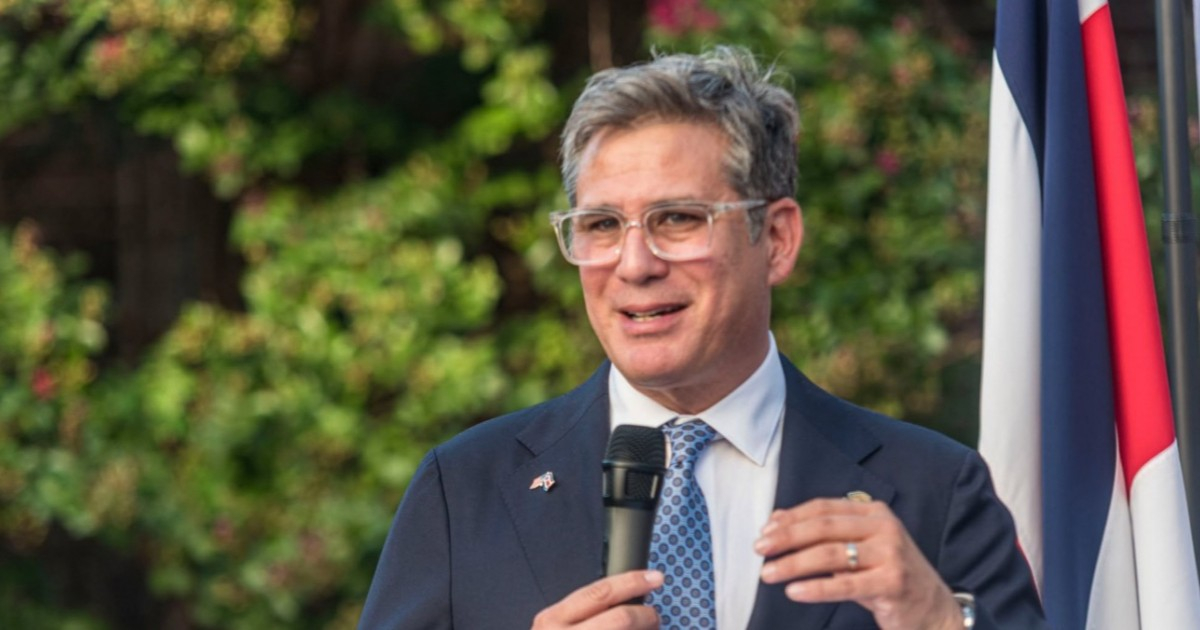
On Thursday, Costa Rica's Foreign Minister, Manuel Tovar Rivera, emphasized that his nation remains a sanctuary for those fleeing oppressive regimes. He also confirmed a complete diplomatic break with Cuba.
Tovar's remarks followed a meeting with Secretary of State Marco Rubio at the State Department, where discussions focused on economic cooperation and counter-narcoterrorism efforts in the region.
Open Arms for Refugees and Exiles
Speaking to Telemundo 51, Tovar addressed the potential for Costa Rica to accept Cuban nationals deported from the United States.
"We have always been a nation with open doors to the persecuted, refugees, and exiles. We have provided shelter to many people from various nationalities because we are a peaceful country, a refuge for those escaping repression and tyranny, and those who face threats to their lives," he stated.
"We are ready to collaborate and continue being the kind of country that stands by just causes, offering refuge to those seeking freedom and safety," he concluded.
Firm Stance Against the Cuban Regime
Tovar was clear that the break with Havana extends beyond closing embassies or withdrawing diplomatic staff: "We have severed diplomatic relations with the Cuban regime until freedom returns," he emphasized, leaving no room for ambiguity regarding the scope of the action.
The minister also dismissed claims from Havana attributing the break to U.S. pressure and accusing San José of "servility" toward the Trump administration.
"This is a sovereign decision; we do not take instructions from any government regarding our foreign policy actions. There is simply a shared stance with the United States," he clarified.
Discussing Democracy in Latin America
In an interview with the Miami Herald, Tovar revealed that discussions about restoring democracy in Cuba and Nicaragua were part of his dialogue with Secretary Rubio. These issues are set to be discussed at a high-level meeting of the Shield of the Americas next week in New York during the United Nations General Assembly.
The diplomatic rift between Costa Rica and Cuba traces back to former President Rodrigo Chaves, who announced the closure of the Costa Rican embassy in Havana in March and demanded the withdrawal of Cuban diplomatic staff from San José.
Current President Laura Fernández has upheld and continued this policy, solidifying it as a state position beyond governmental changes.
Regional Diplomatic Isolation of Cuba
In July, Costa Rica voted against opening a UN debate on the U.S. embargo on Cuba—aligning with countries like the United States, Argentina, and Israel—in a vote that ended with 136 in favor, nine against, and 30 abstentions. In 2025, Costa Rica abstained.
The Costa Rican stance aligns with a regional trend of diplomatic isolation toward the Cuban dictatorship: Ecuador expelled Cuba’s entire diplomatic mission in Quito on March 4, and the Dominican Republic issued an ultimatum to nine Cuban diplomats in August.
Costa Rica's Diplomatic Relations and Policies
What is Costa Rica's position on receiving Cuban deportees?
Costa Rica is open to receiving Cuban deportees from the U.S., maintaining its tradition of offering refuge to those fleeing oppression and tyranny.
Why did Costa Rica sever diplomatic ties with Cuba?
The diplomatic break is part of Costa Rica’s stance against the Cuban regime's lack of freedom and oppression, a decision made independently and not influenced by other nations.
How does Costa Rica's position align with other countries in the region?
Costa Rica's actions are part of a larger regional trend of isolating the Cuban government diplomatically, similar to measures taken by Ecuador and the Dominican Republic.