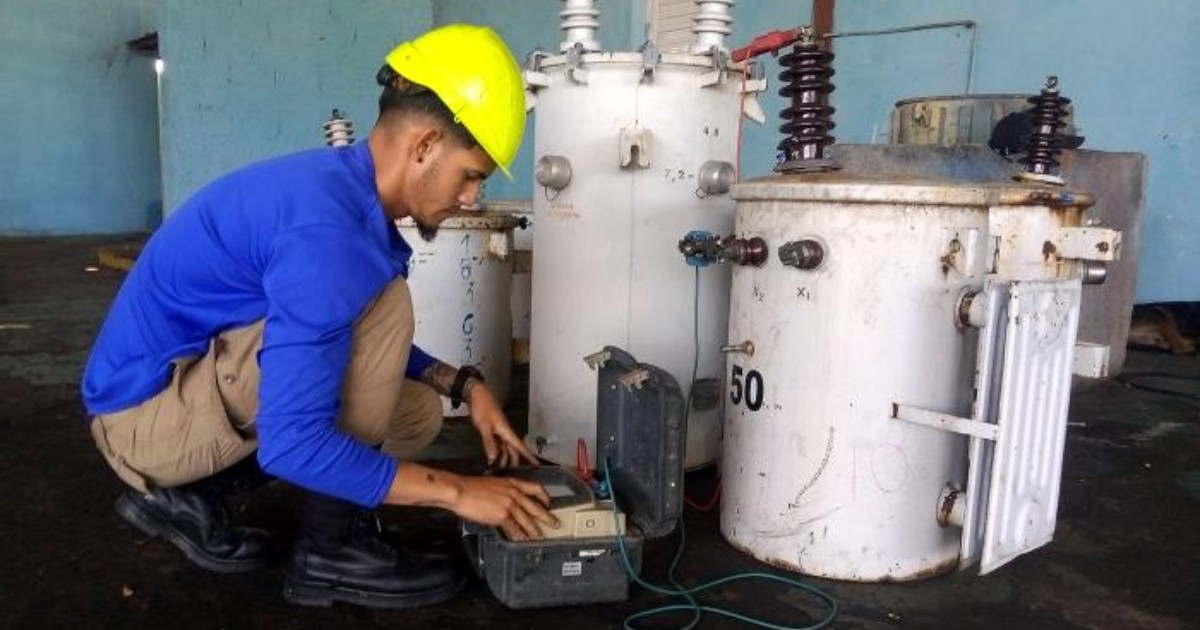
Since 2025, at least two individuals have lost their lives in Ciego de Ávila due to incidents linked to the theft of electrical system components. This criminal activity, acknowledged by Cuban authorities as widespread across the nation, primarily targets transformers.
This Wednesday, the state-run Granma newspaper highlighted this issue, detailing two fatal incidents in the province, alongside the economic impact and the black market surrounding dielectric oil.
Fatal Incidents Highlight a Dangerous Trend
The most recent tragedy occurred on August 16 in the Gutiérrez settlement, Baraguá municipality, where a man was electrocuted while allegedly attempting to extract dielectric oil from a transformer bank. Another incident in 2025 involved a man who suffered a 13,000-volt shock and fell from a height of approximately six meters while purportedly trying to steal conductive cable in a peripheral neighborhood of Ciego de Ávila.
Granma's article initially states that "at least two people have died in 2026" in the province while attempting to obtain dielectric oil. However, one of the cases cited actually took place in 2025 and was related to cable theft, not oil.
Widespread Impact Across Provinces
Despite this temporal inconsistency, the reported figures underscore the problem's breadth. According to data from the General Prosecutor's Office, more than 300 complaints regarding dielectric oil and other electrical component thefts were filed between 2025 and 2026. The provinces most affected include Matanzas, Ciego de Ávila, Mayabeque, Santiago de Cuba, and Artemisa, according to official sources.
Dielectric oil serves two crucial purposes in transformers: it electrically insulates components and helps dissipate heat. Its removal can lead to overheating, short circuits, and severe damage, potentially rendering the equipment inoperable.
Economic and Legal Ramifications
In Ciego de Ávila alone, from January to April this year, losses due to oil theft exceeded a million Cuban pesos, affecting 88 transformers, some of which had to be decommissioned, as reported by Granma. Replacing these units poses a significant challenge for an already strained electrical grid. The official publication notes that acquiring a transformer can cost over $45,000 on the international market, and the scarcity of available units can extend service disruptions in affected communities for days or even months.
The illicit market provides a strong financial lure. Stolen oil fetches up to 600 Cuban pesos per liter and is often used as fuel for vehicles and agricultural machinery. Legal proceedings have already addressed these incidents in the province. In May, several individuals accused of stealing dielectric oil and cables in Ciego de Ávila faced sabotage charges, with sentences ranging from seven to 12 years in prison.
Data released at the time indicated that in 2024, 32 incidents and over 13,700 liters of oil were stolen in the province, while in 2025, 41 incidents were recorded, affecting 84 transformers and resulting in over 14,440 liters being stolen.
Risks Extend Beyond Ciego de Ávila
The lethal risks associated with tampering with transformers are not confined to Ciego de Ávila. In April of this year, a man died, and another suffered severe burns in Santiago de Cuba following an explosion during an attempted oil theft, as reported by the provincial Electric Company. Similarly, in September 2025, another individual died attempting to extract oil from a transformer on Siboney Road. Additionally, in July 2026, a young man was critically injured by an electric shock in Santiago de Cuba during another suspected oil theft attempt.
Understanding the Consequences of Electrical Thefts in Cuba
What are the main dangers of stealing dielectric oil from transformers?
The primary dangers include the risk of electrocution and fatal injuries due to high voltage shocks. Removing dielectric oil can also lead to overheating and short circuits, which may permanently damage transformers.
Why is dielectric oil theft so prevalent in Cuba?
Dielectric oil is highly sought after on the black market because it can be used as a substitute for fuel in vehicles and agricultural equipment, offering an economic incentive for theft despite the risks involved.
How do these thefts affect the local communities?
Communities suffer from prolonged power outages due to the damage to transformers, which can take days or months to repair or replace, impacting daily life and economic activities.