Cuba's government has signaled its readiness to enhance healthcare collaboration with Iran on multiple fronts. This includes joint projects, connections with the pharmaceutical industry, and procurement of medical supplies and drugs for the island. Additionally, Cuba has proposed sending specialists to assist in rebuilding Tehran's Pasteur Institute, which was damaged during military actions by the United States and Israel.
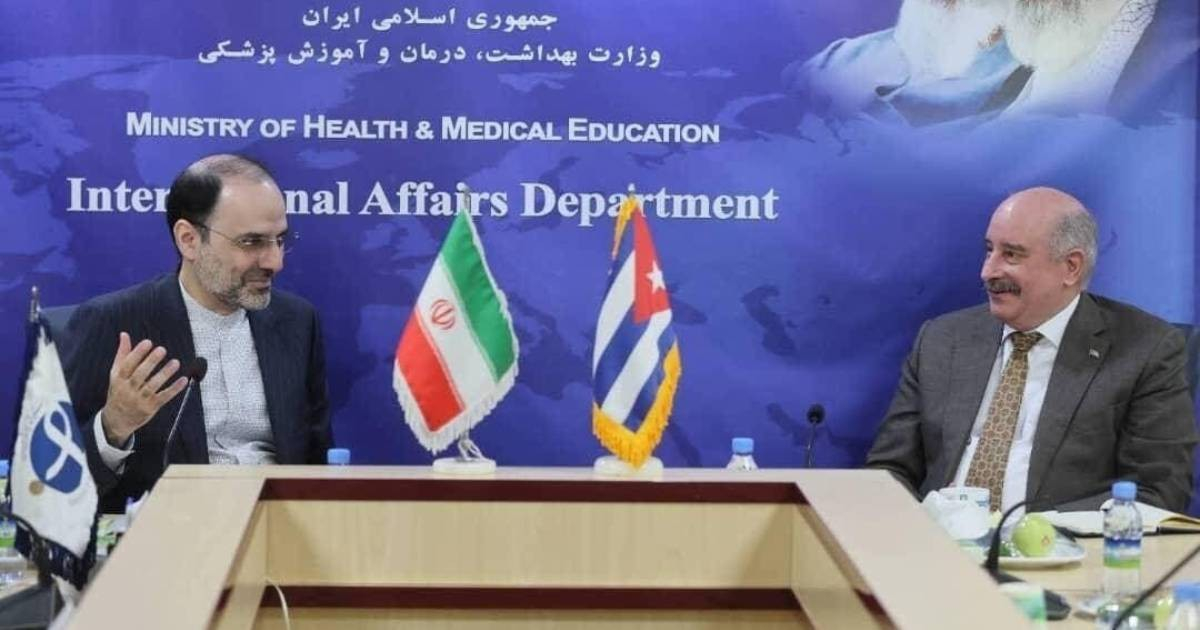
This offer was extended by Cuba's ambassador in Tehran, Nicolás Lefebre, during a meeting with Mohammad Hossein Ayati, a special aide to Iran’s health minister, as reported by the state news agency IRNA.
According to Iran's Health Ministry, Lefebre expressed his willingness to dispatch experts to Iran to complete joint projects and contribute to the restoration of specialized areas of the Pasteur Institute that were affected by the conflict with the United States and Israel.
The proposal is part of ongoing efforts by both governments to deepen a healthcare partnership that spans over three decades. This collaboration includes technology transfer, joint vaccine production, and now, Cuba's interest in acquiring Iranian medications, medical devices, and other supplies.
Havana's offer comes amid a severe crisis in Cuba's healthcare system. In August, Cuban leader Miguel Díaz-Canel admitted that only about 30% of essential medicines were available in the country.
Earlier, in April, 461 out of 651 essential drugs were reported as unavailable. In June, BioCubaFarma acknowledged its inability to supply nearly 300 of the 395 medicines it was supposed to provide to the national health system, citing a funding gap exceeding 250 million dollars for raw materials.
During the Tehran meeting, Lefebre also expressed interest from Cuba's private sector in acquiring Iranian medications, medical devices, and other healthcare supplies for the island's system.
Cuba and Iran have maintained cooperation in the pharmaceutical and biotechnological fields for over three decades, involving technology transfer and vaccine projects against hepatitis, COVID-19, and pneumonia.
The meeting occurred shortly after Cuba's foreign minister, Bruno Rodríguez Parrilla, met with his Iranian counterpart, Abbas Araghchi, during the BRICS summit in India.
Havana has also consistently supported Tehran in international forums. In April, Cuba condemned at the UN the threats and hostilities against Iran.
As reported by IRNA, both parties agreed to facilitate the participation of Cuban healthcare representatives at Iran Pharma, the country's leading pharmaceutical exhibition, to explore further commercial cooperation opportunities.
Cuba-Iran Healthcare Collaboration: Key Questions
What is the nature of the healthcare cooperation between Cuba and Iran?
The cooperation includes technology transfer, joint vaccine production, and Cuba's interest in purchasing Iranian medical supplies and medications.
Why is Cuba offering to help rebuild the Pasteur Institute in Tehran?
Cuba is offering to send specialists to aid in the reconstruction of the Pasteur Institute, which was damaged in military actions involving the United States and Israel, as part of its ongoing healthcare partnership with Iran.
How does Cuba's domestic healthcare crisis contrast with its international offers?
Despite offering international aid, Cuba's healthcare system is struggling, with only 30% of essential medicines available and significant financial shortfalls impacting drug supply.