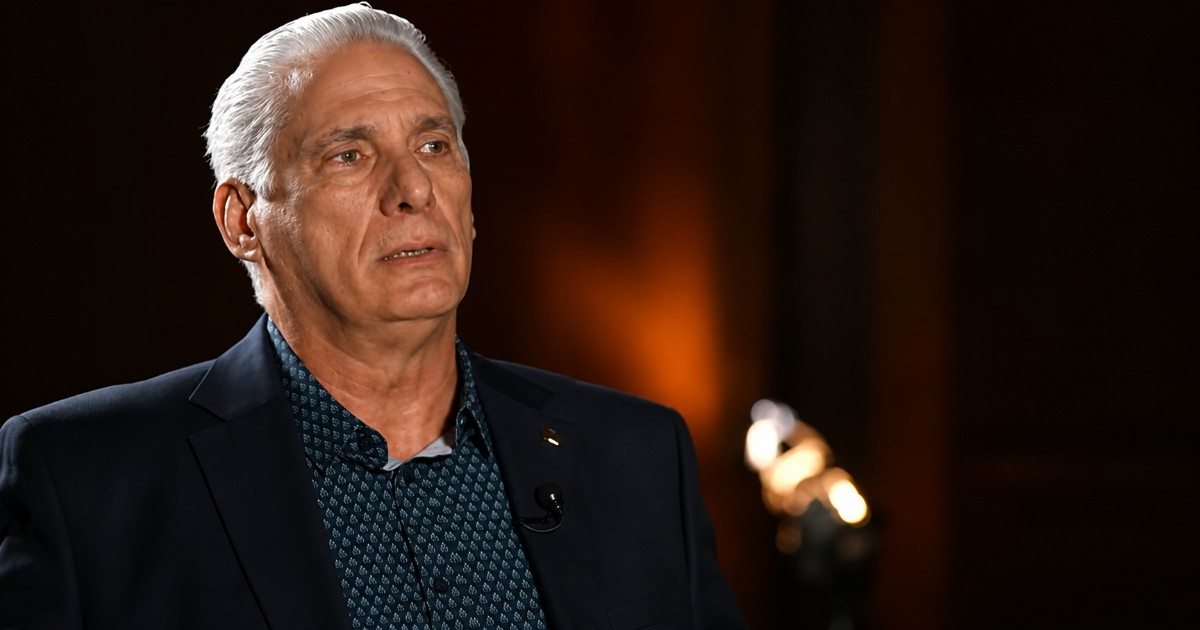
The United Nations has pledged to stand "shoulder to shoulder with Cuba" amid the island's ongoing challenges, affirming its commitment to support the Cuban population in any way possible. This declaration followed a meeting on Wednesday between Miguel Díaz-Canel and Kamal Kishore, the UN's Special Representative for Disaster Risk Reduction.
Kishore visited Cuba to explore the nation's experiences with disaster risk management, early warning systems, and responses to drought and climate change, as reported by EFE.
UN's Acknowledgment of Challenges
During their discussions, the UN official acknowledged the country's current hardships and the impact of U.S. policies. Kishore expressed his office's intention to help amplify the achievements made by the Cuban people.
On the other hand, Díaz-Canel insisted that progress in disaster risk reduction is possible even under "the worst conditions of limitations."
Impact of U.S. Sanctions Highlighted
The Cuban leader once again attributed part of the nation's struggles to tightened sanctions and U.S. restrictions on energy supplies, which, he claimed, also hinder Cuba's ability to manage emergencies and disasters.
These statements from the UN representative came as the international body itself voiced increasing concern over the humanitarian consequences of Cuba's energy crisis.
Humanitarian Concerns Amid Energy Crisis
A recent UN report warned that frequent blackouts are disrupting access to electricity, potable water, telecommunications, and healthcare, exacerbating humanitarian needs in Cuba.
The UN particularly highlighted the effects on the healthcare system. The organization noted that power outages are jeopardizing the operation of critical medical equipment, including incubators and ventilators, while interruptions in the cold chain could endanger vaccination programs for nearly 70,000 children.
The water supply is also under strain. The UN Office for the Coordination of Humanitarian Affairs (OCHA) estimates that energy challenges combined with a dry summer are impacting water access for approximately 3.5 million people, nearly half of whom reside in Havana.
Ongoing Humanitarian Assistance Plan
The UN is executing a plan to deliver crucial aid to around two million Cubans. Of the roughly $94 million required to fund this initiative, $42 million had been raised by mid-September.
"The needs continue to outpace the resources available," the organization warned, identifying funding shortages particularly in food security, health, water, sanitation, and hygiene.
This humanitarian initiative was rolled out in March, when the UN introduced an emergency plan exceeding $94 million, which included provisions to ensure fuel for essential and humanitarian services.
However, the distribution of this aid has faced obstacles. In April, the United Nations reported that about 170 containers of humanitarian supplies, valued at approximately $6.3 million, were not reaching their intended recipients due to fuel shortages.
FAQs on UN's Role and Challenges in Cuba
What is the UN doing to support Cuba amid its current challenges?
The UN is actively working to provide critical aid to approximately two million Cubans, addressing essential needs such as food security, healthcare, water, sanitation, and hygiene. The plan involves a budget of about $94 million, although funding gaps remain.
How are U.S. sanctions affecting Cuba according to the article?
The article suggests that U.S. sanctions and energy supply restrictions are significantly impacting Cuba's ability to manage emergencies and disasters. These constraints are contributing to the nation's broader challenges, including its ongoing energy crisis.