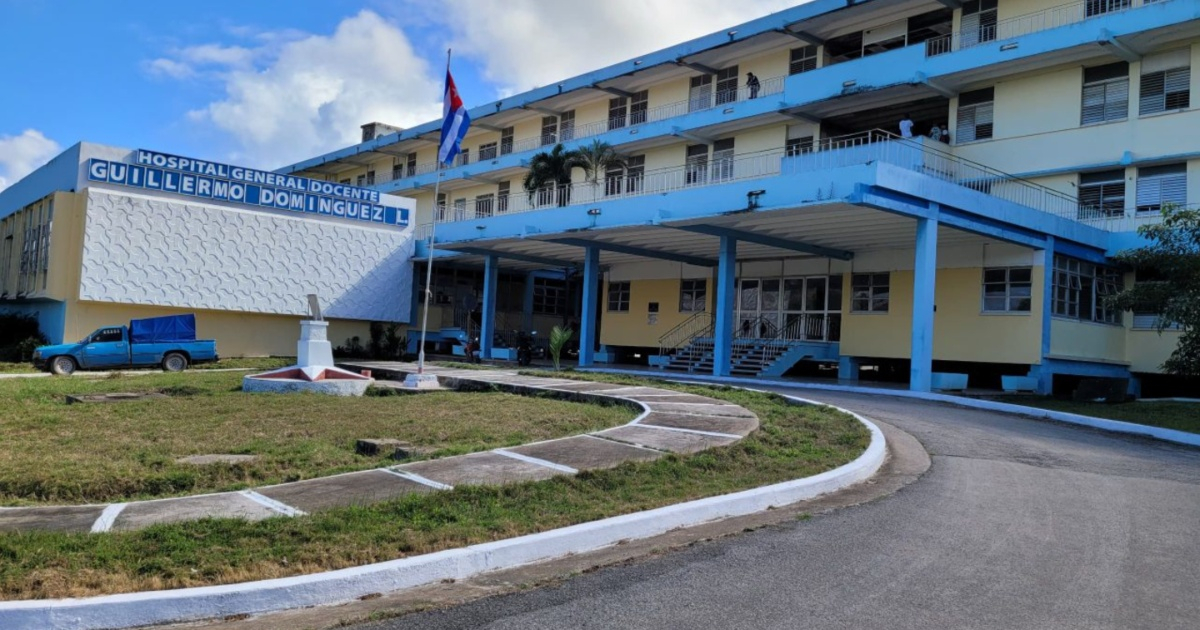
The Guillermo Domínguez López General Teaching Hospital, located in Puerto Padre, Las Tunas, has confirmed the return of a bed bug infestation in its psychiatric ward. This comes after a previous outbreak in July led to the area being quarantined, the relocation of patients, complete replacement of mattresses, and days of intensive treatment aimed at exterminating the pests.
In a statement released Monday on its Facebook page, the hospital noted that epidemiological surveillance had initially identified the presence of bed bugs in this ward back in July.
"After over a month without any signs of the insects, their presence was detected again two days ago," admitted the statement, signed by the hospital's director, Dr. Deinier Pérez Morales.
The recent discovery prompted the immediate reactivation of intensive treatment under the guidance of a multidisciplinary team.
The hospital claimed that within the first 48 hours, the number of insects had been reduced.
Challenges in Managing Psychiatric Patients
The hospital administration emphasized that patients with psychiatric disorders require specialized care, which "complicates the implementation of additional measures and extends response times." It also assured that all hospitalization services are being reviewed, with no signs of bed bugs found in any other wards so far.
Economic Constraints and Public Criticism
Before detailing the bed bug situation, the hospital's communication referenced economic constraints and fuel shortages, attributing these issues to policies from the current U.S. administration. This explanation was met with criticism from numerous users who questioned the relevance of blaming U.S. conflict when discussing the facility's hygiene conditions.
"This is what happens when the salary for cleaning staff is equivalent to the cost of a carton of eggs. These hospitals are filthy, lacking even basic hygiene, and yet they blame the embargo," commented one user.
Another user responded: "The same excuse for so many years, always blaming the U.S. when the real culprit is the Cuban government, which has plunged the entire country into misery."
Several comments suggested that hygiene issues extend beyond the affected ward. One user called for an inspection of the geriatrics ward, citing poor conditions from the entrance to the bathrooms, and questioned the care given to some patients.
Nationwide Bed Bug Epidemic
The resurgence of bed bugs in Cuban healthcare facilities is not an isolated incident. In August, a nurse at the Saturnino Lora Provincial Hospital in Santiago de Cuba resorted to using fire to try to eliminate bed bugs from a chair, amidst complaints about the lack of proper pest control products.
Earlier, in May, families and patients reported a bed bug infestation at the Maternal Hospital in Matanzas, affecting areas used by pregnant women and newborns.
Psychiatric institutions have also been specifically impacted. In July 2025, a severe bed bug infestation was reported at the Gustavo Machín Psychiatric Hospital in Santiago de Cuba, and months later, images emerged showing patients surrounded by insects at the Santa Clara Psychiatric Hospital.
Las Tunas is currently facing a multidimensional health crisis. Recent months have seen outbreaks of dengue and chikungunya, hepatitis alerts in schools, incidences of leprosy, and hospital blackouts lasting up to 20 hours a day.
Earlier this month, the provincial pediatric hospital promoted coconut water and homemade formulas as substitutes for oral rehydration salts due to a shortage of basic supplies amid a surge in arbovirus cases.
The recurring bed bug outbreak in the Guillermo Domínguez psychiatric ward underscores the systemic collapse of Cuba's healthcare system, where eradication protocols fail to sustain over time due to a lack of resources, supplies, and minimal structural conditions.
Insights into the Bed Bug Crisis in Cuban Hospitals
What measures were taken to combat the bed bug infestation at the hospital?
The hospital implemented intensive fumigation, quarantined the affected ward, relocated patients, replaced all mattresses, and conducted a seven-day intensive treatment with weekly vector surveillance.
Why did the hospital blame the U.S. administration for economic constraints?
The hospital cited policies from the current U.S. administration as contributing to economic hardships and fuel shortages, affecting the Cuban healthcare system's ability to maintain hygiene standards.
How has the bed bug issue in Cuban hospitals been addressed by the public?
Public reactions have been critical, with many blaming the Cuban government for systemic failures and questioning the effectiveness of solutions offered by healthcare facilities.