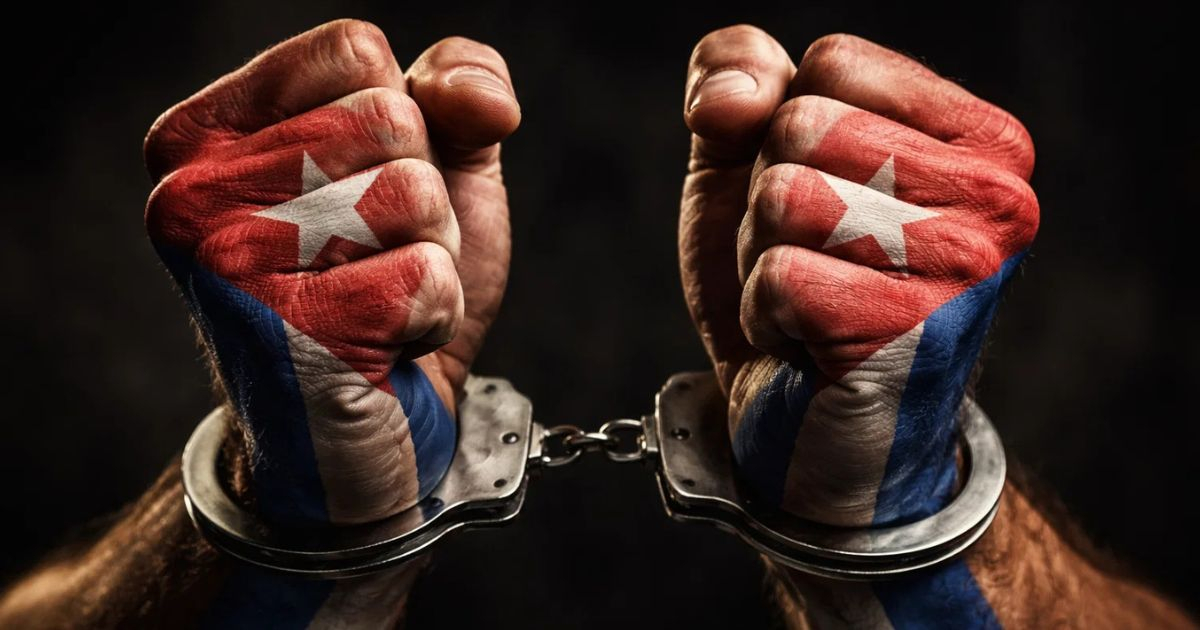
According to a recent report by the independent organization Cubalex, Cuba witnessed an alarming average of more than 10 human rights violations per day during the first half of 2026. This period was characterized by a notable rise in social unrest and an expansion of state repression targeting citizens not affiliated with opposition groups.
From January 1 to June 30, Cubalex documented 1,894 incidents involving human rights abuses, a significant increase from the 1,279 recorded in the latter half of 2025. Although the organization attributes some of this rise to enhanced monitoring capabilities and a greater influx of direct reports, the data reflects a troubling 48% increase in such events.
Escalation in Repression and Wider Impact
The average number of daily violations rose from seven in the latter half of 2025 to 10.5 in early 2026. Despite this, Cubalex emphasizes that other indicators, like the spread of these incidents across different regions, increased protests, and a rise in potentially unlawful deaths, signal a genuine intensification of repression.
The organization’s findings are based on 1,894 records, primarily sourced from Facebook posts (1,275), private messaging (326), news websites (215), X (49), Instagram (17), and YouTube (12). At least 919 individuals were directly affected, comprising 204 women and 715 men.
Protests and Social Unrest Amid Crisis
Cubalex reported a record number of protests, with 766 demonstrations occurring in the first half of the year amidst worsening energy, water, and health crises. These protests spanned all 15 provinces and the special municipality of Isla de la Juventud, reaching 141 municipalities, a 60% increase from the previous half-year.
June saw the highest monthly number of protests since Cubalex began monitoring in 2022, with 253 recorded demonstrations. Havana experienced the most violations with 662 incidents, followed by Santiago de Cuba with 169 and Camagüey with 161.
Patterns of Repression and State Control
Among the 65 categories of repressive incidents identified, the most prevalent were abuses against detainees (762), transfers to detention facilities (318), threats or coercion (313), and police surveillance operations (287). Other documented incidents included 269 cases of violence or harassment, 257 arbitrary detentions, 175 instances of denied medical care or negligence, and 165 unlawful or arbitrary summonses.
Potentially Unlawful Deaths Raise Alarm
Cubalex's report highlights a particularly grave statistic: 42 potentially unlawful deaths between January and June, involving 39 events. This marks a 56% increase from the 27 deaths recorded in the latter half of 2025. Of these victims, 30 were detained, including 28 men and two women.
The organization linked 22 deaths to inadequate medical care or negligence, often in cases of severe malnutrition or untreated illnesses. Additionally, five deaths were reported as suicides under state custody or during mandatory military service, two were inmate homicides, and five remained unresolved at the report's conclusion.
Continuing Deterioration in Prisons
Earlier in 2026, Cubalex reported seven deaths in Cuban prisons in February, attributed to malnutrition, inmate violence, reported suicides, and insufficient medical care. Concern over these conditions persisted beyond the report's timeframe.
By August, Cubalex identified 19 deaths linked to medical negligence or lack of care, with 17 occurring in eight prisons and two in a Havana police station and Cienfuegos Psychiatric Hospital.
Outside the semi-annual report period, Cubalex's July data included 388 repressive events and 817 harassment incidents affecting 302 individuals, along with 199 public protests.
Long-Standing Trends Intensify
The new data highlights a continuing trend of increased repression. In early 2025, Cubalex documented 1,566 human rights violations, averaging nearly nine per day, across 105 municipalities. The latest report identifies six escalating trends: increased lethality under state custody, heightened reactive repression to protests, expanded control over daily life, criminalization of rights exercises, use of isolation and mobility restrictions, and the normalization of impunity.
The organization also notes new developments, such as the legal institutionalization of migration control and the formalization of in-absentia prosecutions against Cuban diaspora members. Cubalex warns that its figures are not exhaustive, acknowledging that online monitoring cannot capture reports on private profiles or cases involving individuals without cell phones or mobile data access, leaving many violations undocumented.
Frequently Asked Questions About Human Rights Violations in Cuba
What is the current state of human rights in Cuba?
The human rights situation in Cuba is deteriorating, with an average of over 10 violations reported daily in early 2026, according to Cubalex. Increased state repression is affecting a broader segment of the population, including those not affiliated with opposition groups.
How has the number of protests changed in Cuba recently?
There has been a significant increase in protests, with 766 documented in the first half of 2026, marking a 60% rise in territorial coverage compared to the previous period. June alone saw 253 protests, the highest since 2022.
What are the main causes of potentially unlawful deaths in Cuba?
Cubalex reports that many potentially unlawful deaths are linked to inadequate medical care or negligence, often involving severe malnutrition and untreated illnesses. The organization also notes suicides under state custody and inmate homicides.