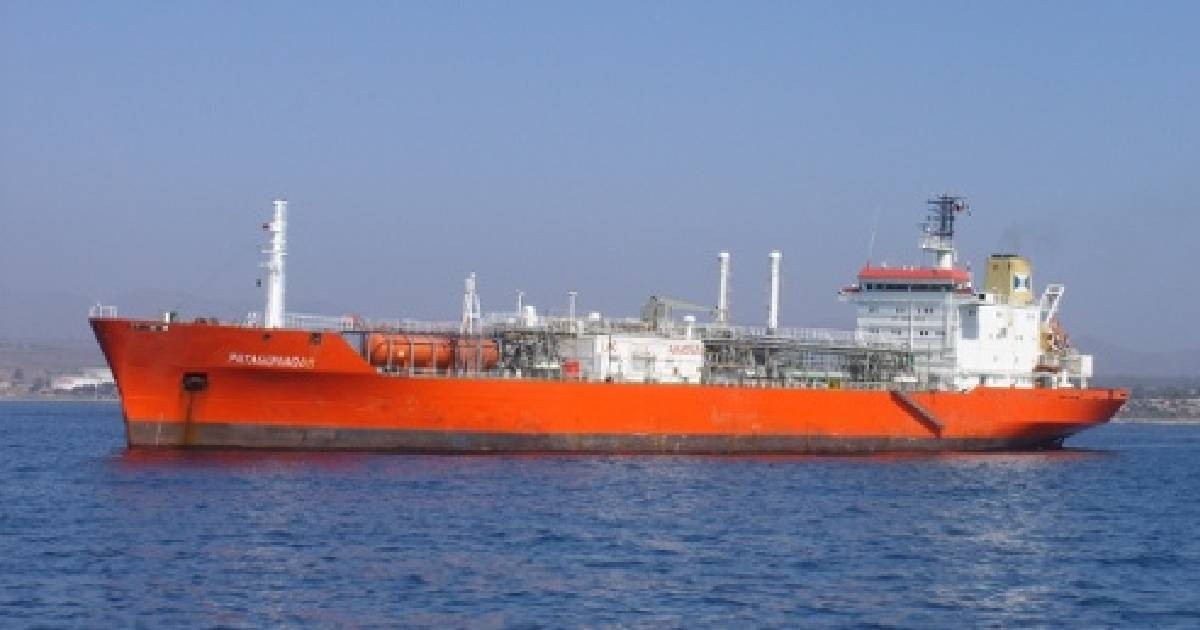
For at least the past nine months, an unusual presence of U.S. Navy surveillance aircraft has been observed off the Mexican coast in the Gulf of Mexico. This activity is possibly linked to the tracking of ships suspected of transporting oil to Cuba, as suggested by a private maritime intelligence report.
The findings of this report were highlighted in an article by El Sol de México, based on research conducted by Ehrlich Maritime Security. Their August report, titled Mexico's Maritime Domain Dispatch (M2D2), marks the ninth consecutive month of U.S. flights near Yucatán, Campeche, Tabasco, and Veracruz.
Among the aircraft identified are the Boeing P-8 Poseidon, used for maritime patrol and intelligence, and the MQ-4C Triton, a long-endurance drone designed for maritime surveillance missions.
Analysts deem it unlikely that these operations are primarily focused on counter-narcotics efforts. The report notes that “the Bay of Campeche and the Yucatán Channel are not major maritime drug trafficking corridors compared to eastern Pacific approach routes.”
Ehrlich Maritime Security describes this activity as a “geographic anomaly,” suggesting that these missions might aim, “at least in part, to identify and monitor specific cargo and oil tankers suspected of engaging in irregular or sanctionable activities.”
No U.S. or Mexican authorities have confirmed that these flights are intended for monitoring potential oil shipments to Cuba. However, the Mexican Navy acknowledged the flight of a U.S. drone over the Gulf waters on July 11. Yet, neither the Navy nor the National Defense Secretariat has clarified the purpose of these missions or any potential coordination mechanisms with Washington.
The speculation regarding Cuba gains traction due to increased U.S. pressure against oil supplies to the island. Early in 2026, former President Donald Trump urged Mexican President Claudia Sheinbaum to curb fuel shipments to Havana, leading to Mexico halting a scheduled oil delivery to Cuba.
Subsequent data indicates a significant reduction in shipments. According to Pemex reports filed with the U.S. Securities and Exchange Commission (SEC), supplies dropped from an average of 15,000 barrels of crude oil per day in 2025 to about 900 barrels per day of refined petroleum products in the first quarter of 2026, with no crude exports.
The intermediary company used by Pemex for these operations has undergone several name changes. Formerly known as Gasolinas Bienestar, it was renamed Servicios Logísticos Integrales Mumiya and later Servicios Logísticos y Recursos Estratégicos, as cited in documents from the Public Registry of Commerce referenced by El Financiero.
Since May, Washington has intensified sanctions against entities linked to Cuba's energy sector, including CUPET, COREYDAN, ENETEC, CEINPET, ENERSA, and EINARBO. They have also warned foreign companies about the risk of sanctions if they maintain certain operations with sanctioned entities.
This potential maritime surveillance is particularly significant for Cuba amid a severe energy crisis, marked by prolonged blackouts and a substantial decline in its traditional fuel supply sources.
Understanding U.S. Surveillance and Oil Shipments to Cuba
Why is the U.S. conducting surveillance flights in the Gulf of Mexico?
The U.S. Navy's surveillance flights off the Mexican coast are reportedly aimed at tracking ships suspected of transporting oil to Cuba, though this has not been officially confirmed by authorities.
What evidence suggests that Mexico has reduced oil shipments to Cuba?
Data from Pemex filed with the U.S. SEC shows a significant drop in oil shipments to Cuba, decreasing from an average of 15,000 barrels per day in 2025 to approximately 900 barrels per day of refined products in early 2026.
What impact do U.S. sanctions have on Cuba's energy sector?
U.S. sanctions target entities within Cuba's energy sector, increasing pressure on the island during a time of significant energy shortages and blackouts, while warning foreign entities against engaging with sanctioned organizations.