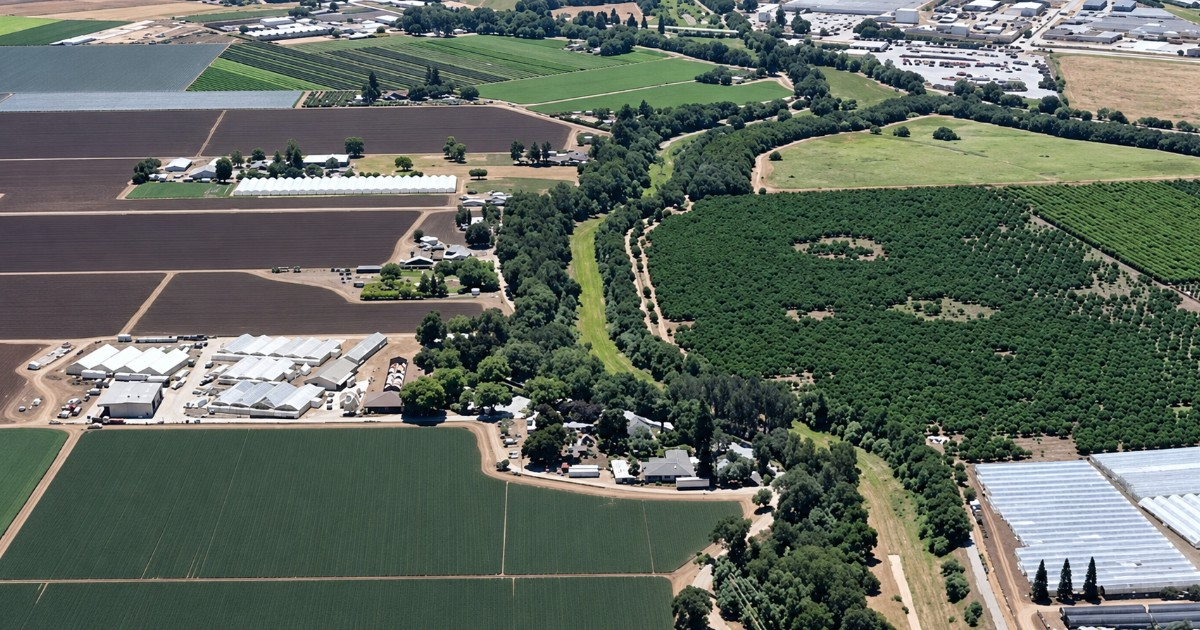
A federal judge has issued a ruling to temporarily halt the construction of an Immigration and Customs Enforcement (ICE) facility near Gilroy, California. This decision comes in response to a lawsuit filed by the state and Santa Clara County, accusing the federal government of proceeding with the project without conducting the necessary environmental reviews or engaging in required consultations.
On Monday, Noticias Telemundo reported that the proposed facility was intended to house up to 120 detainees on approximately 24 acres of land near Gilroy, located in the southern part of Santa Clara County.
The legal action was initiated in June by California Attorney General Rob Bonta and Santa Clara County against the federal government, challenging the project's compliance with environmental and local consultation requirements.
According to the California Attorney General's office, the land was leased to the federal government in January 2025 for use by ICE, likely as part of the Enforcement and Removal Operations (ERO) arm.
Environmental Concerns and Legal Challenges
State authorities argue that the project advanced without the necessary environmental assessments and proper consultation with state or local governments. The lawsuit claims that the construction could negatively impact the ecosystem, habitat, and agricultural value of land protected for agricultural use since the 1960s. It could also strain local water, sewage, and road infrastructure.
The site, covering about 24.5 acres, is located in an unincorporated area of Santa Clara County, close to Gilroy. Concerns have also been raised about the potential release of hazardous materials during construction and the inadequacy of the septic system designed for the planned facility's operations.
Judicial Intervention and Future Proceedings
ICE had previously agreed to pause construction until September 9, but the new court order extends the halt while litigation continues. Both parties are required to submit a proposal regarding the scope of the injunction by September 30.
"No one is above the law, not even the federal government," stated Bonta following the court's decision. He accused the Trump administration of attempting to expedite construction "in secret," bypassing environmental safeguards and excluding potentially affected communities.
Broader Context of ICE Expansion Plans
This judicial setback occurs as the Trump administration seeks to significantly expand the nation's immigration detention capacity. In July, it was revealed that ICE aimed to expand or establish detention centers in up to 14 locations across the United States and its territories, including Guantanamo Bay, Puerto Rico, Miami, and various other states.
The expansion plan involves investments ranging from $24 million to $40 million per facility, as part of an effort to accommodate the growing number of individuals in ICE custody, which exceeded 60,000 people in July.
However, the path to expansion has been fraught with difficulties. ICE has spent over $1 billion acquiring 11 commercial warehouses with the intent to convert them into large detention centers. By June, most of these projects faced suspension due to lawsuits related to their environmental impact in states like Maryland, Arizona, New Jersey, and Michigan.
Key Questions About the ICE Detention Center Controversy
Why was the construction of the ICE facility near Gilroy halted?
The construction was halted due to a lawsuit claiming that the federal government did not conduct necessary environmental reviews or consultations with local authorities.
What are the environmental concerns associated with the ICE facility project?
The lawsuit argues that the project could harm the ecosystem, habitat, and agricultural value of protected lands, while also straining local infrastructure.
How is the Trump administration involved in this issue?
The Trump administration was accused of attempting to fast-track the construction without adhering to environmental regulations and failing to involve affected communities.