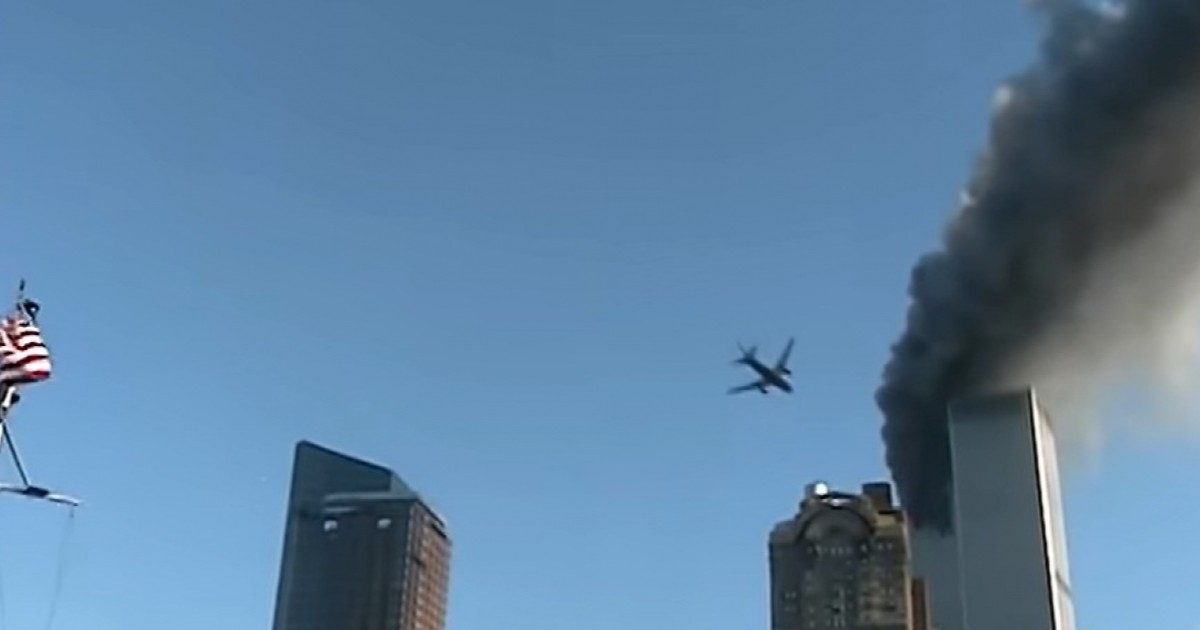
As the world marks 25 years since the tragic events of September 11, 2001, Cuban American pilot George Fariñas shared his memories of that day with Telemundo 51, reflecting on the moments of uncertainty he faced while operating Delta Flight 575 en route to New York.
The plane was approximately 100 miles south of New Orleans when air traffic control abruptly changed its course without prior notice.
"The center instructed us: Delta 575, prepare for an immediate emergency landing in New Orleans," Fariñas recounted.
When he inquired about the sudden change, the response from air control was unequivocal: "This order comes from the Department of Defense, and you don't need to know why. It's a directive, and you must land."
At that moment, neither the crew nor the passengers comprehended the unfolding national crisis.
The scale of the attacks became evident upon reaching New Orleans airport, where TV screens displayed footage of the first plane hitting one of the Twin Towers.
"Everyone was in disbelief, unaware of the situation until we reached the terminal and saw the screens showing a plane crashing into a tower," Fariñas recalled.
Immediate Impact of the Second Crash
The second impact, hitting the remaining tower, erased any doubts: "We realized it was a terrorist attack."
On that fateful day, 19 operatives from Al Qaeda hijacked four commercial planes. Two were crashed into the World Trade Center towers in New York, leading to their collapse; another hit the Pentagon, and a fourth went down in Pennsylvania after passengers attempted to regain control.
The attacks claimed nearly 3,000 lives.
Transformations in Aviation Security Since 9/11
By 9:25 a.m., the Federal Aviation Administration had enacted a national ground stop; by noon, the skies were clear of commercial flights, with over 4,500 planes grounded nationwide.
Fariñas, now a civil aviation inspector, emphasizes how these events permanently altered commercial aviation protocols.
"Back then, airport security was not stringent. There was no TSA. Often, as pilots, we passed through security unchecked," he explained.
Following the attacks, the United States established the Transportation Security Administration (TSA), federalizing passenger screening previously managed by private entities.
New measures include more thorough baggage inspections, identity verification, restricted access to airport areas, and reinforced cockpit doors to prevent unauthorized entry.
In his current role, Fariñas witnesses these changes firsthand: "I see the new protocols when a flight attendant needs access to the cockpit. She must call the pilot and provide a code."
Remembering the Victims and Their Legacy
The attacks also claimed the lives of Cubans and Cuban Americans who had established their lives in the United States.
The 25th anniversary was observed last Friday with ceremonies in New York, the Pentagon, and Shanksville, Pennsylvania, and for the first time included a seventh moment of silence for those who have died since 2001 from illnesses related to toxic exposure at Ground Zero.
Key Questions About Aviation Security Post-9/11
How did aviation security change after 9/11?
The creation of the TSA federalized passenger screenings, introducing stricter baggage checks, identity verification, and reinforced cockpit security among other measures.
What was the immediate response of the FAA on 9/11?
The FAA issued a national ground stop, clearing the skies of commercial aircraft by noon with over 4,500 emergency landings across the country.