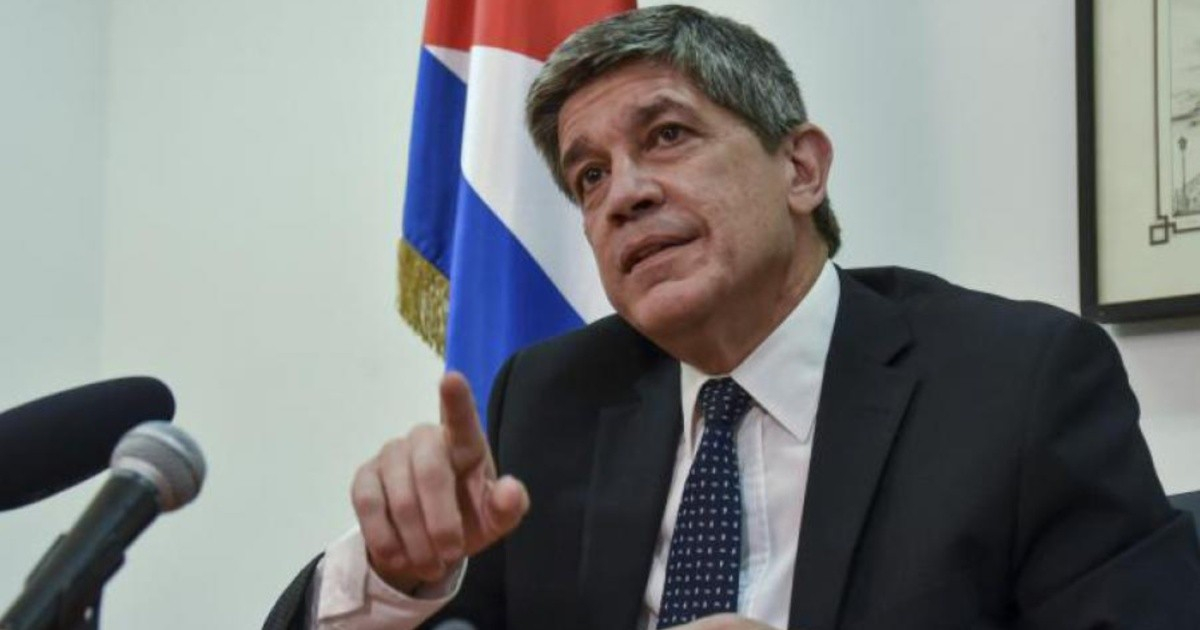
Cuban Deputy Foreign Minister Carlos Fernández de Cossío has accused major U.S. media outlets CNN and Univision of highlighting Cuba's severe energy and fuel crisis without adequately attributing blame to U.S. policies, labeling their coverage as "complicit" in the supposed punishment of the Cuban population.
On Sunday, Fernández de Cossío took to Facebook to voice his criticisms, specifically targeting reports by CNN and Univision that detail the hardships faced by Cubans.
"The narrative they spread depicts a harsh reality, but fails to identify the perpetrator who creates and sustains it. This is a complicit approach with both the punishment and the executioner behind it," the official wrote.
The diplomat argued that while both outlets depicted "Cuba's harsh reality" related to shortages of fuel and energy, they paid "little attention" to what he believes is the root cause of these shortages: "the deliberate effort by the U.S. to inflict maximum harm on the Cuban people and subject them to collective punishment."
The Media's Role in the Crisis
Fernández de Cossío's criticism of CNN in Español seems to align with a report released on September 11 about the energy crisis and blackouts in Havana, though he did not explicitly reference this specific report.
Regarding Univision, he also did not identify a particular report, although the network has dedicated numerous recent coverages to the Cuban crisis, including one on the near disappearance of public bus services due to fuel shortages, highlighting how tricycles and pedicabs have become alternative transport options that many Cubans still cannot afford.
Ongoing Criticism of U.S. Media
Such criticisms are not uncommon from the Cuban regime towards U.S. media outlets, often forming part of the vice minister's rhetoric.
In February, Fernández de Cossío questioned the "objectivity" of U.S. and international media, including The Wall Street Journal and The Economist, accusing them of what he perceived as biased coverage of Cuba's situation.
In May, he again addressed the media's role by accusing major U.S. and international outlets of "fueling" the notion of a potential military intervention against Cuba, suggesting that some might be acting at the behest of the U.S. government or driven by sensationalism.
Just a month later, the vice minister once more accused the international press of reporting on Cuba's difficulties without condemning what he described as "collective punishment."
He argued that media in the U.S., Europe, and Latin America portrayed the island's problems as the responsibility of Cuban authorities, while, according to him, neglecting the impact of Washington's policies.
Understanding the Impact of U.S. Policies on Cuba
How does Carlos Fernández de Cossío view the role of U.S. media?
He believes that U.S. media outlets like CNN and Univision are complicit in the supposed punishment of the Cuban population by not adequately attributing the crisis to U.S. policies.
What specific criticisms did Fernández de Cossío make about CNN and Univision?
He criticized them for describing Cuba's energy and fuel shortages but giving insufficient attention to the U.S. policies he sees as the main cause of these issues.
Has Fernández de Cossío previously criticized U.S. media?
Yes, he has a history of criticizing U.S. and international media for what he considers biased coverage of Cuba, questioning their objectivity and accusing them of fueling negative narratives.