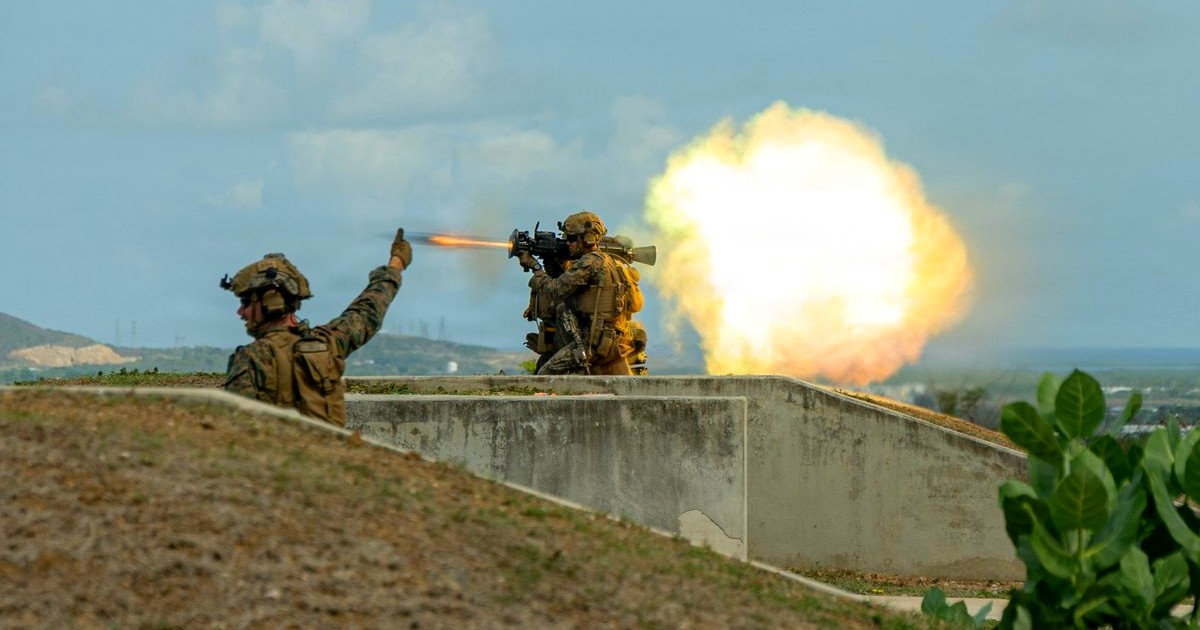
On Monday, the United States Southern Command (SOUTHCOM) released images showcasing the 24th Marine Littoral Combat Force engaging in shooting drills at the Joint Training Center Camp Santiago in Puerto Rico. This marks the latest public display of the U.S. military's presence in the Caribbean.
In an official statement, SOUTHCOM characterized the exercise as an effort to "build the precision and readiness necessary to respond across the Western Hemisphere." These operations align with the Department of Defense's priorities, which include the president's objectives to "disrupt illicit drug trafficking, deter malign actors, and protect the homeland through continuous presence."
The 24th Marine Littoral Combat Force, also known as the 24th Marine Expeditionary Unit, commenced its mission in the Caribbean on May 29, 2026, under the leadership of Colonel Ryan Lynch. The unit comprises over 1,300 marines and sailors.
Their main base of operations is at the reactivated Naval Station Roosevelt Roads in Ceiba, Puerto Rico, which received a projected investment of $79 million. This force operates under the umbrella of Operation Southern Spear.
Increased Military Exercises in the Caribbean
The training held on Monday is not an isolated event. Throughout the summer, the unit conducted various exercises, including pickup zone drills in August, FPV drone training, and rifle shooting sessions with M27, M4, and MK 22 firearms, all at Camp Santiago.
This deployment takes place against the backdrop of an ongoing increase in U.S. military presence in the region. According to Governor Jenniffer González-Colón, over 8,100 troops participated in exercises in Puerto Rico between May and August. At the beginning of September, the littoral combat ships USS Billings and USS Minneapolis-Saint Paul docked at the Guantanamo Bay Naval Base.
Heightened Tensions with Cuba
These developments occur amidst heightened tensions with Cuba. On March 27, President Trump declared, "Cuba is next" at an investment forum in Miami, referencing his administration's military successes in Venezuela and Iran.
In subsequent months, Defense Secretary Pete Hegseth stated that Washington "does not rule out a military operation against the Cuban regime."
The Cuban regime has responded with rhetoric of resistance that many observers deem more symbolic than effective. It declared 2026 as the "Year of Defense Preparation" and has been conducting nearly weekly military exercises since January under the "War of the Entire People" doctrine. These exercises involve rifle shooting, explosives handling, and combat drills with civilians, militias, and university students.
Foreign Minister Bruno Rodríguez Parrilla warned that an attack on Cuba would lead to a "bloodbath," while Deputy Foreign Minister Carlos Fernández de Cossío accused Washington of attempting to "normalize the idea of military aggression" against the island.
The Cuban National Assembly issued a statement regarding a "real and dangerous threat of direct military aggression" from the United States. Meanwhile, Miguel Díaz-Canel emphasized the importance of defense preparation to the public, in stark contrast to the island's actual military capabilities compared to SOUTHCOM's power stationed mere miles from its shores.
U.S. Military Presence and Tensions with Cuba: Key Questions
Why is the U.S. military increasing its presence in Puerto Rico?
The U.S. military is increasing its presence in Puerto Rico to enhance readiness and precision for operations across the Western Hemisphere, with objectives to disrupt illicit drug trafficking, deter malign actors, and protect the homeland.
What is the significance of the 24th Marine Littoral Combat Force's training in Puerto Rico?
The training conducted by the 24th Marine Littoral Combat Force in Puerto Rico is significant as it demonstrates the U.S. commitment to maintaining military readiness and presence in the Caribbean region, aligning with broader national defense objectives.
How has Cuba responded to the increased U.S. military presence?
Cuba has responded with rhetoric emphasizing resistance, declaring 2026 as the "Year of Defense Preparation" and conducting frequent military exercises. Cuban officials warn of severe consequences if attacked, while accusing the U.S. of normalizing the idea of military aggression against the island.