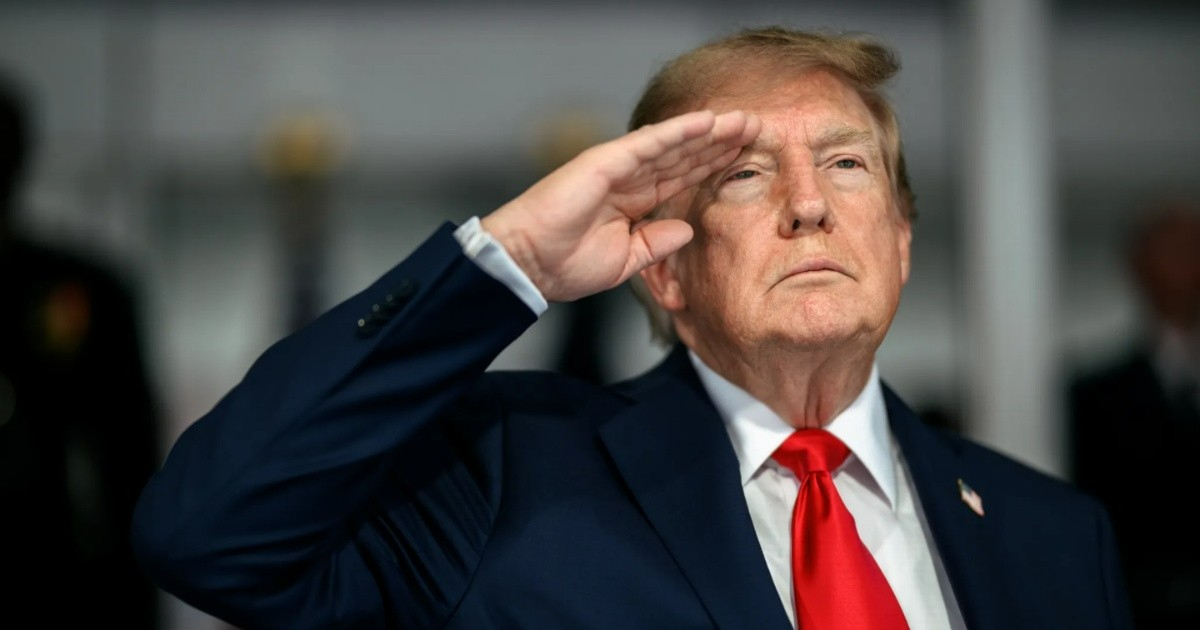
Former President Donald Trump's popularity has plummeted to its lowest point since the start of his second term, as revealed by a recent Financial Times survey conducted by Focaldata. With the midterm elections just around the corner in November, only 33% of registered voters approve of Trump's performance.
This figure marks a three-point drop from the previous month, representing the lowest approval rating since the Financial Times began these surveys in May 2026.
Republican Support Dwindles
The decline in approval isn't limited to the general populace. Among Republicans themselves, Trump's approval fell over two points to 72%, another record low for this poll. In terms of economic confidence, merely 53% of party voters support his handling of jobs and the economy, an almost eight-point decrease in just one month.
Economic Concerns Drive Discontent
Evidently, economic dissatisfaction and the rising cost of living are significant contributors to this decline. Nearly two-thirds of registered voters believe the economy is on the wrong track, with 57% stating they are financially worse off under Trump's leadership—up from 53% in the previous survey.
Fuel prices further exacerbate the situation. Diesel reached an unprecedented $5.85 per gallon on Friday, according to the American Automobile Association (AAA). This surge is partly attributed to the conflict with Iran, dubbed Operation Epic Fury, which has driven up costs for fuel and consumer goods over the past six months.
Trade Policies Under Scrutiny
Additionally, Trump's tariff policies face harsh criticism. A majority of 56% of registered voters, including over 60% of independents and nearly a third of Republicans, disapprove of the 50% tariffs imposed on $20 billion worth of Canadian goods. Canada's retaliatory measures on U.S. imports have intensified the trade war.
The White House remains resolute. "President Trump has consistently addressed the temporary disruptions from Operation Epic Fury, while maintaining a steadfast commitment to a proven economic agenda of tax cuts, deregulation, and energy abundance," a spokesperson asserted.
Midterm Challenges for Republicans
As November approaches, the outlook remains grim for the Republican Party. Democrats currently hold a 7.5-point lead in legislative vote intention among registered voters, up from a five-point margin the previous month. Notably, 46% of respondents, including over half of independents, believe Trump is hindering Republican congressional candidates' chances.
The sentiment among independents is particularly telling: 47% indicate that Trump's endorsement would decrease their likelihood of supporting a candidate, potentially making him a liability for Republican allies in competitive districts.
Nevertheless, the Republican National Committee plans to hold a two-day convention in Dallas, Texas, led by Trump himself, aiming to galvanize voter support for the upcoming elections.
In a related move, Maga Inc, the political action committee backing Trump's presidential bid, has announced a $10 million ad campaign for Texas Republican Senate candidate Ken Paxton, opposing Democrat James Talarico, out of a total reserve of $400 million.
The Focaldata survey, conducted with a sample of 1,914 registered voters between August 28 and September 1, carries a margin of error of ±2.6 percentage points.
Understanding Trump's Approval Ratings and Their Impact
What is the current approval rating of Donald Trump?
Donald Trump's current approval rating stands at 33%, the lowest since the beginning of his second term, according to a recent poll by the Financial Times and Focaldata.
How are Trump's economic policies perceived by his own party's voters?
Among Republican voters, only 53% support Trump's management of jobs and the economy, reflecting a significant drop in confidence over the past month.
What economic factors are contributing to Trump's low approval ratings?
Voter dissatisfaction with the economy and rising living costs, including record-high diesel prices and the impact of trade policies, are key factors influencing Trump's declining approval ratings.