Cuban historian and Ph.D. in Historical Sciences, Ivette García González, a former professor at the University of Havana, recently shared insights on her Facebook profile. In her analysis titled "Some Lessons from Civic Struggle," she outlines eight crucial steps to transform public dissatisfaction into a structured political strategy aimed at ending the dictatorship.
Published on September 3, the piece acknowledges that the resistance phase beginning in 2020 and extending into 2021 hasn't achieved its fundamental goal, although spontaneous protests reveal a persistent civic energy.
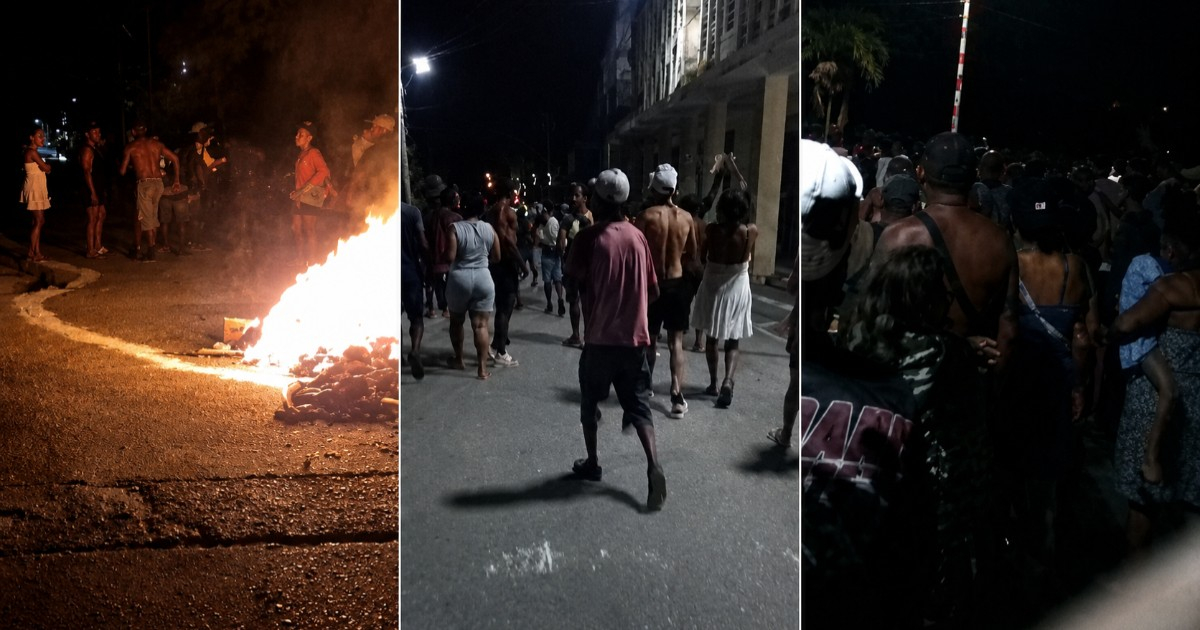
García González emphasizes that this energy alone isn't sufficient. "We must convert these protests into a strategic fight. Otherwise, we will continue repeating the cycle of 'crisis-protests-withdrawal of protests' [...]. The dictatorship remains, people become exhausted, and life is more than just social explosions," she asserts.
Reframing Protest Motivations
One of the analysis's most pointed observations addresses a common mistake: criticizing those who protest for material reasons. "Why do we criticize Cubans for protesting over food, electricity, and water instead of 'for freedom'?" the scholar questions, asserting that any protest reason is valid on the road to democracy.
In alignment with this, she suggests a new perspective on what is often seen as a setback: "Why do we condemn people for stepping back from protests once electricity is restored, instead of recognizing that outcome as the victory it is?"
Progress in Civic Awareness
The historian also highlights advances in public consciousness: the regime's social base has shrunk, dissent has broadened, and several coalitions for action have emerged. Yet, she insists on the need for tangible, impactful results, even small victories. "We've had them, but we fail to identify and proclaim them as such. That's why repression triumphs, and our progress is slow," she states.
This analysis comes amid a worsening situation. The Cuban Conflict Observatory recorded 1,415 protests and critical expressions in July 2026 alone, marking the highest monthly figure on record. Meanwhile, Prisoners Defenders reported 1,327 political prisoners by the end of that month, setting a new historical high. The economy has suffered a contraction exceeding 15% since 2020.
Advocating Nonviolent Strategies
This text is the latest in a series of reflections published throughout 2026. In late August, García González argued that crisis alone doesn’t lead to political change, only to frustration and aimless spontaneous reactions. Days earlier, she declared the reformist cycle exhausted and called for radical transformation.
Regarding method, the academic dismisses violence, advocating for nonviolence: "Citizens only need empowerment and civic struggle with an effective strategy: nonviolence, which has toppled dictatorships across continents and brought democracy to various countries, even totalitarian ones." She suggests anchoring this struggle in communities and neighborhoods, with horizontal leadership, and utilizing social media without relying entirely on it.
García González references July 11, 2021—the largest social uprising in Cuba in over six decades, involving more than 40 cities—as both a warning and a precedent: "The events of July 11 could happen again; there are even more reasons now. However, it must not be the same. The next time it should be the end, with strategy, cohesion, and alternatives ready."
"Neither ideologies nor messiahs, Cuba's fight is for the end of the dictatorship, for democracy, and human rights," concludes the historian, who advocates for building a broad Civic Movement as a coalition of organizations, groups, and independent citizens ready to lead this transformation.
FAQs on Cuba's Civic Struggle
What is Ivette García González's view on the current protests in Cuba?
Ivette García González believes that the current protests in Cuba should be transformed into a strategic fight to effectively challenge the dictatorship. She highlights the importance of structured political strategies over spontaneous protests.
How does García González propose addressing the material motivations behind protests?
García González suggests not criticizing protests driven by material needs such as food and electricity. She argues that all protest reasons are valid in the path to democracy and should be seen as victories rather than setbacks.
What method does García González advocate for in pursuing political change?
She advocates for nonviolent strategies, emphasizing empowerment and civic struggle. She believes nonviolence has successfully brought down dictatorships and can lead to democracy in Cuba.