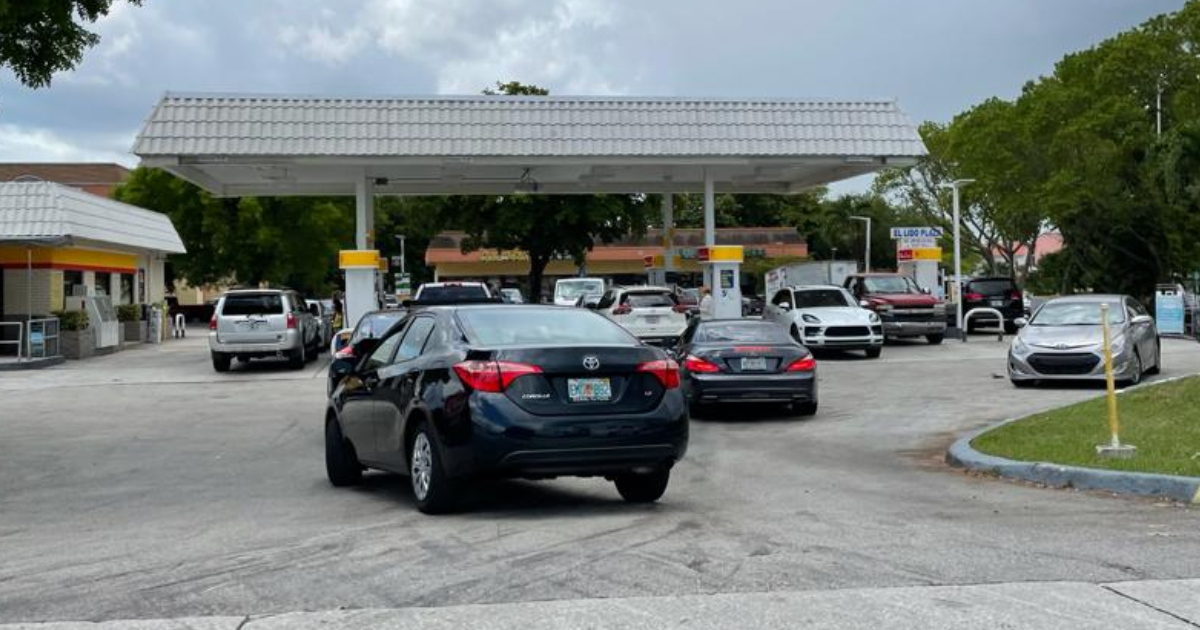
This Labor Day weekend, the average cost of gasoline across the United States soared to $4.14 per gallon, setting a new record never before reached on this holiday, according to data from the American Automobile Association (AAA).
The primary driver behind this surge is the ongoing conflict involving the United States and Israel against Iran. This war, which has been raging for over six months, has disrupted the flow of crude oil through the Strait of Hormuz. Previously, this vital passageway was responsible for transporting 20% of the world's oil supply. As a result, the price per barrel has climbed to around $90.
The AAA noted that the current price is four cents higher than the previous week's average and surpasses the earlier Labor Day record of $3.82 per gallon, set on September 3, 2012.
Just last year, around the same time in 2025, the average price per gallon was $3.19, reflecting an increase of nearly a dollar over the span of twelve months.
The Impact of the Strait of Hormuz Crisis
"The ongoing volatility in the Strait of Hormuz has driven crude prices up to around $90 per barrel. After a record-breaking August, this Labor Day weekend is also on track to set historic highs in fuel prices," the association stated in a release.
The organization also cautioned that although gasoline demand typically declines at the end of summer, leading to lower prices, "this year is different due to the high cost of crude oil."
Record Diesel Prices
Diesel fuel has also reached an all-time high, hitting $5.88 per gallon this past Saturday. This represents a significant 60% increase compared to the same period in 2025, when it was priced at $3.71.
The ongoing conflict with Iran, which has yet to overthrow the ayatollahs' regime despite over six months of conflict, has exerted sustained pressure on the U.S. economy. Inflation peaked at 4.2% in May 2026, the highest in nearly three years, before easing to 3.4% in July following slight relief in energy costs.
Summer's Toll on Fuel Prices
Labor Day isn't the only summer milestone marked by high prices. During Memorial Day weekend in late May, the average price per gallon was $4.55, the highest in four years for that period and nearly $1.40 more than in 2025.
States hit hardest by these prices include California, where the average ranges between $5.78 and $5.83 per gallon, followed by Washington at $5.47 and Hawaii at $5.41.
The crisis in the Strait of Hormuz has disrupted global supply chains and plunged markets into uncertainty since the conflict began, with no clear signs of short-term stabilization to ease the burden on American consumers.
The all-time record for gasoline prices in the U.S. remains at $5.0165 per gallon, recorded on June 14, 2022, a figure that stands unbeaten despite the current upward trend.
Frequently Asked Questions About U.S. Gasoline Prices
Why are gas prices so high during this Labor Day weekend?
The ongoing conflict involving the U.S., Israel, and Iran has disrupted oil transport through the Strait of Hormuz, raising the price of crude oil and leading to higher gasoline prices.
How do current gas prices compare to previous years?
This year, the average gas price over Labor Day weekend reached $4.14 per gallon, surpassing last year's price by nearly a dollar and breaking the previous record set in 2012.
Which states are experiencing the highest gas prices?
California, Washington, and Hawaii are currently facing the highest gas prices, with averages ranging between $5.41 and $5.83 per gallon.
Has the ongoing conflict affected other economic factors in the U.S.?
Yes, the conflict has contributed to increased inflation, which peaked at 4.2% in May 2026, before slightly decreasing to 3.4% in July as energy costs eased.