In Santiago de Cuba, the Executive Bureau of the Provincial Committee of the Communist Party has appointed Luis Alberto Portuondo Ortega as the new director of the official newspaper, Sierra Maestra. He replaces Olga Esther Thaureaux Puertas, who is retiring after a dedicated 38-year career in journalism.
The announcement was shared on the newspaper's official Facebook page, where the Bureau praised Thaureaux Puertas for her extensive career. She held various roles, starting as a reporter, then becoming Head of Information, Chief Editor, Deputy Director, and finally, Director since 2011, excelling in each position.
Portuondo Ortega, aged 34, graduated with a degree in Journalism from the University of Oriente in 2015. The official statement highlights his progression through different responsibilities, beginning as a reporter at Radio Majaguabo, then as a journalist for Sierra Maestra, and recently, as a correspondent for Granma in Santiago de Cuba since 2023.
The Current State of Cuban State Media
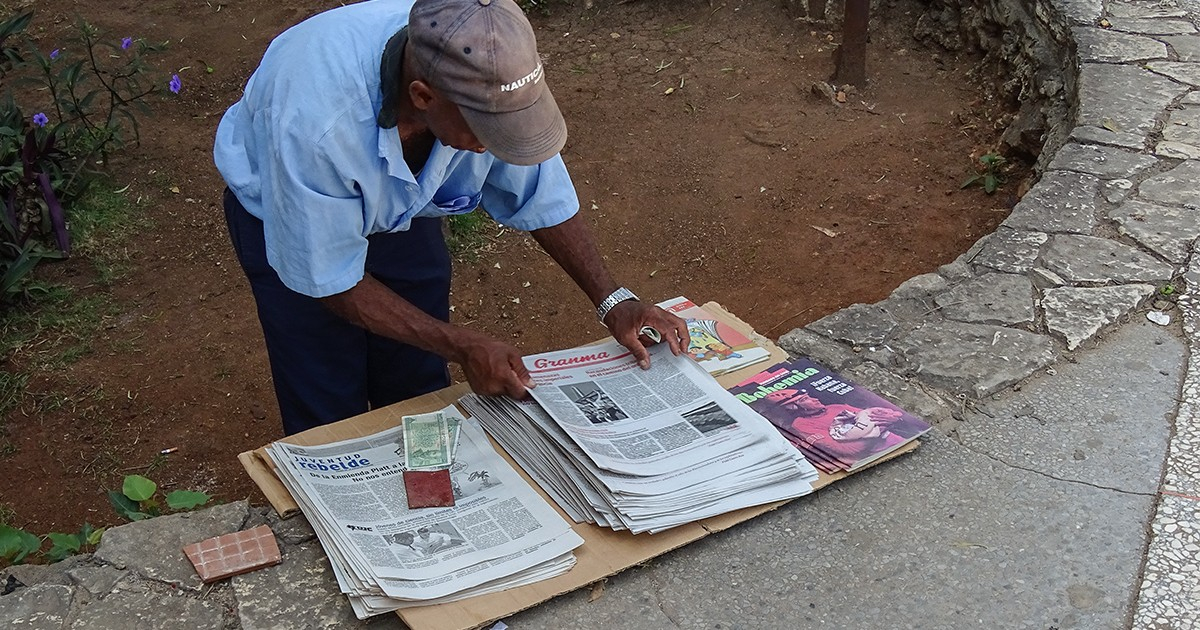
This leadership transition occurs during a severe crisis for Cuba’s state-run press. Since March 2026, national newspapers Granma and Juventud Rebelde have reduced their print editions to just once a week, on Tuesdays, with only eight pages. This was a decision announced by the Communist Party’s Political Bureau in February of the same year.
Provincial newspapers, including Sierra Maestra, have completely ceased their print editions since that time, citing paper shortages, lack of fuel, and financial constraints as the official reasons.
Challenges Facing New Leadership
The new director steps into his role at a time when the official media is grappling with talent drain, declining university enrollments, and deteriorating infrastructure. The generational gap in the industry is profound. This week, the University of Havana’s Faculty of Communication issued an extraordinary call to attract students from other disciplines to Journalism, due to the drastic decline in enrollment numbers.
Low wages remain a significant factor undermining state journalism in Cuba. Despite a salary adjustment in July 2026, top-level journalists in state-run media earn a base salary of 7,045 to 7,735 Cuban pesos monthly, which is negligible when the cost of living exceeds 90,000 pesos per month.
Other contributing factors include emigration, censorship, and conflicts with the official editorial line, which lead to newsroom departures and make the journalism profession less appealing to young people.
Obstacles to Journalism Education
Adding to this grim scenario, since the 2024-2025 academic year, aspiring journalism students are required to complete a year of Active Military Service. This is an unusual requirement for higher education in Cuba, previously only needed for entry into International Relations programs.
Exiled Cuban journalist José Raúl Gallego criticized this measure as a "self-inflicted wound by the regime in its attempt to prioritize ideological loyalty over professional competence."
Cuba’s legal framework further restricts any alternative journalistic practices outside the official media. Decree 160, signed by Prime Minister Manuel Marrero Cruz and effective since last month, prohibits non-state economic actors from engaging in journalism and bans the creation of independent newspapers, magazines, news agencies, or media.
In the World Press Freedom Index 2026 by Reporters Without Borders, Cuba ranks 160 out of 180 countries, a testament to decades of media monopoly and repression of independent journalism.
Understanding Cuba's Press Challenges
Why was Luis Alberto Portuondo Ortega appointed as director?
Luis Alberto Portuondo Ortega was appointed as the new director of Sierra Maestra to replace Olga Esther Thaureaux Puertas, who retired after a 38-year career. His prior experience includes roles as a reporter and journalist, equipping him for the leadership position.
What challenges does the Cuban press face today?
The Cuban press is currently facing numerous challenges, including reduced print publications due to resource shortages, low salaries, talent drain, and restrictive legal frameworks that limit independent journalism.
How does Decree 160 affect journalism in Cuba?
Decree 160 prohibits non-state actors from engaging in journalism, effectively banning the creation of independent media outlets. This law consolidates state control over the press and restricts freedom of expression.