In the municipality of Union de Reyes, located in the Matanzas province, health officials have reported 154 cases of unspecified febrile syndromes in recent days. Dr. Raidel Sotes Carrera, the general director of health for the area, highlighted this concern in a recent report by the Girón newspaper.
Local health authorities are stepping up active epidemiological surveillance, utilizing IGM tests to determine if the dengue virus is present in the area. Special attention is being given to the main town and the San Antonio de Cabezas locality, identified as high-risk zones.
Challenges in Fumigation Efforts
One of the most significant hurdles in tackling the health crisis is the inability to conduct fumigation as frequently as needed. Dr. Sotes Carrera candidly admitted, "The adulticide treatment, commonly known as smoke fumigation, hasn't been carried out with the necessary regularity due to the country's severe energy shortage."
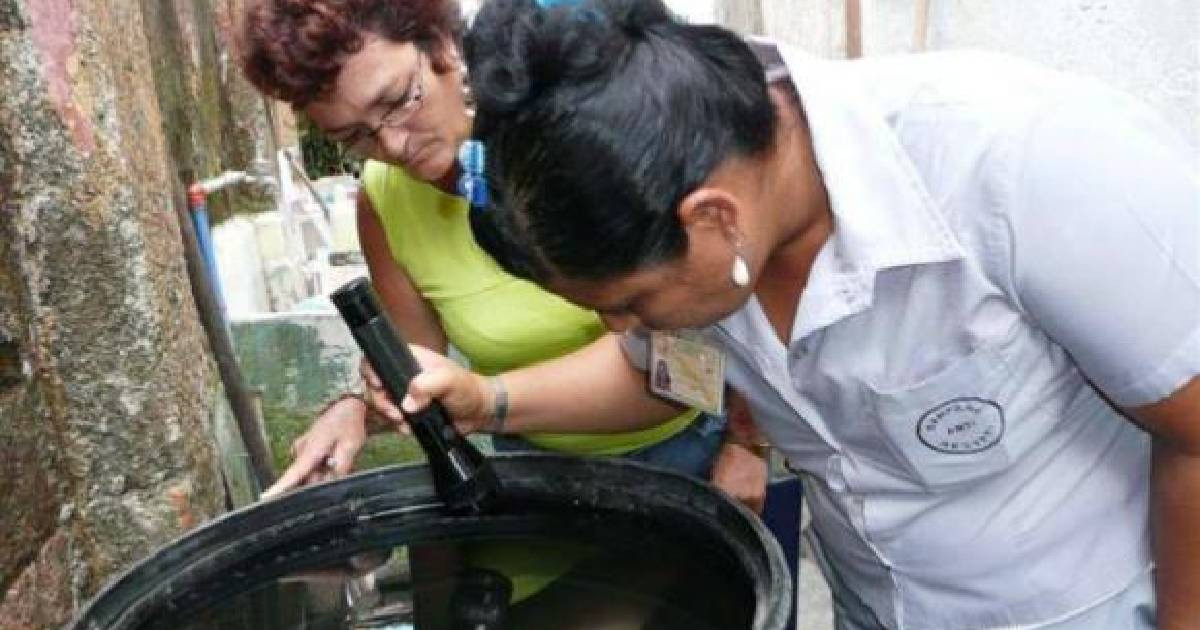
Given this constraint, the Department of Vectors and Antivectorial Surveillance, which is also facing personnel shortages, is focusing efforts on focal control, applying larvicides in high-risk areas, and immediately addressing febrile cases with perifocal treatments.
Community Action and Broader Implications
Health authorities in Union de Reyes have urged residents to seek medical attention without delay if they develop a fever and to eliminate any stagnant water containers that could serve as breeding grounds for the Aedes aegypti mosquito, the virus carrier.
The situation in Union de Reyes is not isolated. Matanzas detected its first dengue cases of the 2026 season in June, primarily in the southern part of the province, and the crisis is spreading throughout the island.
In the same month, Deputy Minister of Public Health, Carilda Peña, publicly warned of a potential new dengue epidemic due to the simultaneous circulation of all four serotypes of the virus in Cuba. "If we don't take a series of actions, we could face an epidemic," she cautioned.
Nationwide Health Concerns
Other provinces are experiencing similarly critical situations. Guantánamo is under an Epidemiological Alarm due to the proliferation of waste dumps.
Additionally, last week, Pinar del Río was dealing with three active hepatitis outbreaks and a high infestation of Aedes aegypti. In this province, indoor fumigation is also dependent on electricity availability.
The uncollected garbage exacerbates the transmission cycle across the country. In Santa Clara, a dump in the middle of a residential neighborhood has remained unattended for over 100 days, a situation that residents directly associate with the dengue risk.
The national outlook is alarming: Cuba ended 2025 with over 81,900 cases of dengue and chikungunya and at least 65 deaths, according to data from the Pan American Health Organization.
Understanding the Dengue Crisis in Cuba
What are the main challenges in controlling the dengue outbreak in Union de Reyes?
The primary challenges include the inability to conduct regular fumigation due to energy shortages and a shortage of personnel in the health department, which hampers effective vector control efforts.
How are local authorities responding to the dengue threat?
Local health authorities are increasing epidemiological surveillance, focusing on high-risk areas, and urging the community to eliminate mosquito breeding sites by removing stagnant water.
What is the broader impact of the dengue crisis across Cuba?
The crisis is nationwide, with various provinces experiencing similar challenges, including waste management issues and concurrent viral outbreaks, leading to an increased risk of dengue transmission.