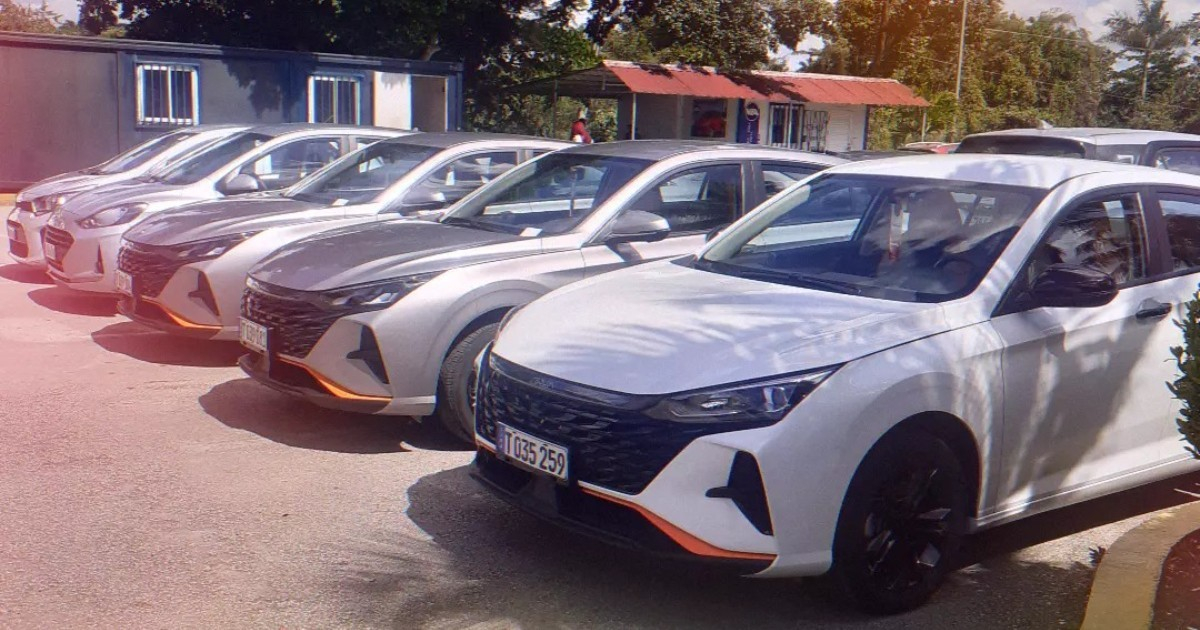
The Cuban Ministry of Tourism has introduced a new regulation permitting private entities to engage in the car rental and land-based tourist transportation industries, a domain previously dominated almost entirely by state-run companies.
This development is encapsulated in Resolution 70/2026, signed by Minister Juan Carlos García Granda on August 31 and published in the Official Gazette No. 73 Ordinary of 2026.
According to Article 2 of the regulation, its provisions apply to "state-owned enterprises, foreign investment modalities, and authorized non-state management forms authorized to conduct land-based tourist transportation activities within the national territory."
The introduction of this regulation nullifies Resolution 121 from 2005, which governed the leasing of tourist vehicles for over twenty years.
The preamble of the new resolution acknowledges that the shift is a response to changing circumstances: "the current conditions under which tourist transportation is developed, including the involvement of new economic actors," justify the need for a new legal framework.
The regulation outlines two distinct categories of operators, each with specific requirements.
Entities looking to engage in automotive rentals must have a fleet that is properly insured, an up-to-date transportation inspection, an operational license, roadside technical assistance coverage, a customer service unit, basic maintenance infrastructure, and a tourist registration.
Tourist transport companies are required to meet these standards as well, with additional stipulations: air conditioning in all vehicles (except panoramic buses), an audio system, reclining seats, ongoing fleet cleanliness, fire extinguishers, first aid kits, and proof of medical check-ups for professional drivers.
The term "vehicle" is broadly defined within the regulation to include "buses, minibuses, cars, motorcycles, and bicycles of any propulsion type."
Applications for authorization must be submitted to the Ministry of Tourism, accompanied by documents such as the articles of incorporation, certification of registration in the Mercantile Registry, and operational center details.
Resolution 70 is part of a set of 176 economic reforms presented by Prime Minister Manuel Marrero Cruz to the National Assembly in June, with Axis 17 specifically aiming to open the tourism sector to private actors, including travel agencies, tour guides, and car rentals.
The legal groundwork for this shift was completed on July 22, when Decree 160 of the Council of Ministers removed travel agencies from the list of businesses prohibited to non-state management forms.
The same Gazette No. 73 also publishes Resolution 69/2026, which approves the new Regulations for Travel Agencies of the Republic of Cuba and repeals Resolutions 131 and 132 of 2021.
These legislative measures are promulgated as the tourism industry faces its most severe crisis ever: the sector experienced a 60.7% drop in international visitors during the first half of 2026, with 73% of hotels closed and approximately 25,000 tourism workers available for work by the end of August.
Understanding Cuba's New Tourism Regulations
What is the main change introduced by Resolution 70/2026?
Resolution 70/2026 allows private entities to participate in the car rental and land-based tourist transportation sectors in Cuba, which were previously almost exclusively managed by state-owned companies.
What requirements must private car rental operators meet?
Private car rental operators must have a properly insured fleet, up-to-date transportation inspection, operational license, roadside technical assistance coverage, customer service unit, basic maintenance infrastructure, and tourist registration.
How does Resolution 70/2026 fit into broader economic reforms in Cuba?
Resolution 70/2026 is part of a broader package of 176 economic reforms aimed at opening the tourism sector to private actors, as presented by Prime Minister Manuel Marrero Cruz to the National Assembly in June.