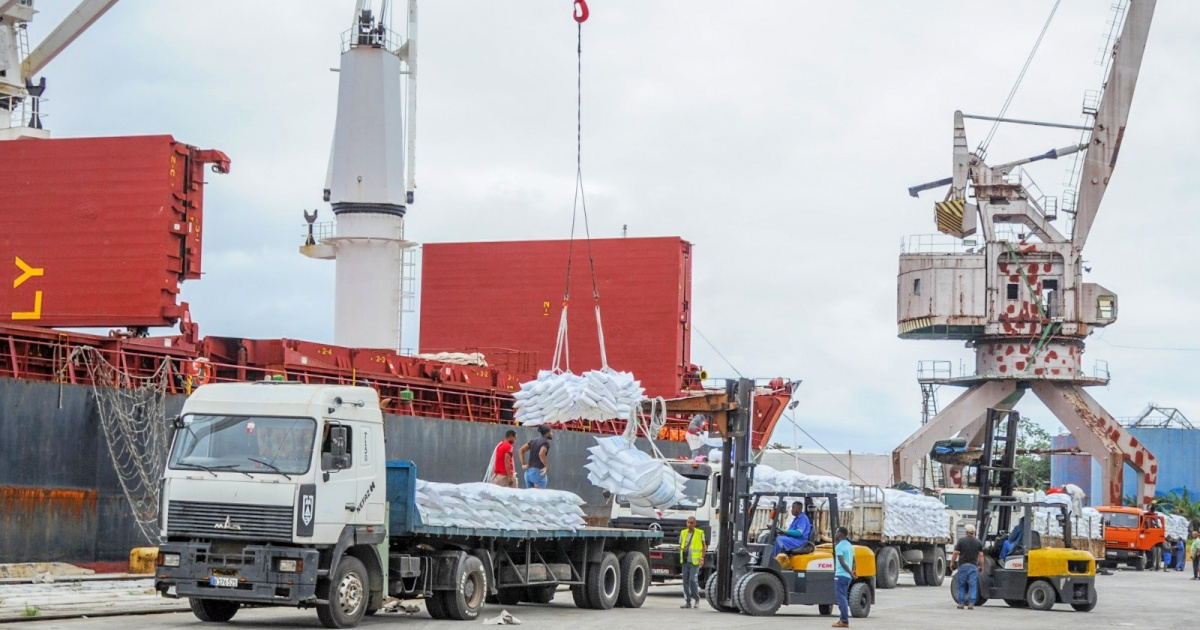
The Ministry of Foreign Trade and Foreign Investment (MINCEX) in Cuba has recently revised the guidelines governing import and export activities. This move comes as the government embarks on a significant reform to allow private companies and cooperatives to engage directly with international markets.
Under the new Resolution 126/2026, MINCEX is updating the regulations that oversee Cuban foreign trade. This change aligns with other measures aiming to expand the powers of various economic players in the country.
Direct Trade Opportunities for Private Enterprises
One of the key changes in this new framework permits micro, small, and medium-sized enterprises, as well as private companies with over 100 employees, to import and export directly. However, this process is not automatic and requires prior approval.
Decree-Law 133/2026, published on September 2 in the Official Gazette, explicitly grants these businesses the authority to "export and import directly, subject to authorization from the Ministry of Foreign Trade and Foreign Investment."
This implies that even legally established private firms or cooperatives must still obtain the green light from MINCEX before engaging in international trade.
Challenges and Opportunities in Cuban Trade
The government initially announced the possibility of direct foreign trade in June as part of its broader economic reform package. However, it awaited legal backing and additional regulations for implementation.
Previously, Cuban micro-enterprises and cooperatives aiming to import goods or export their products generally had to rely on authorized state companies as intermediaries. This system, in place since 2020, faced criticism from entrepreneurs due to the associated commissions, costs, and bureaucratic delays.
With the updated rules, businesses that receive authorization can negotiate directly with foreign suppliers or buyers, potentially reducing the need for state intermediaries.
State Control Remains Strong
Despite these changes, Cuba's trade landscape is not fully liberalized. The state retains a crucial role, as MINCEX is responsible for deciding which companies can directly exercise these trade capabilities.
Among the other changes introduced by the authorities is the application of the "negative nomenclature" principle. Under this system, rather than specifying which products each entity is authorized to trade, a list of goods is provided that cannot be traded without express permission; all other products can be negotiated as long as existing regulations are followed.
This represents a departure from the model applied in recent years. The previous framework, outlined in MINCEX's Resolution 220/2022, set forth basic rules for entities authorized to import and export goods, including procedures related to import management, export strategies, offer selection, and price analysis.
While the current reforms extend further by coinciding with an overall expansion of the space permitted for private business, they still maintain numerous state authorization and supervision mechanisms.
Key Questions About Cuba's New Trade Regulations
What is the significance of Resolution 126/2026?
Resolution 126/2026 is crucial as it updates the regulations for foreign trade in Cuba, allowing certain private companies and cooperatives to engage directly with international markets, subject to MINCEX's approval.
How does the "negative nomenclature" principle affect trade?
The "negative nomenclature" principle shifts the focus from listing authorized products to specifying which goods require special permission, allowing more flexibility for companies to trade other products.