The Cuba Study Group, a non-partisan organization based in Washington D.C. composed mainly of Cuban-American leaders, has released a policy statement imploring both the Trump administration and the Cuban government to dismantle barriers that prevent essential humanitarian aid from reaching those most in need on the island.
Issued at the end of August, the document describes Cuba's humanitarian crisis as "an alarming stage," characterized by chronic blackouts, and shortages of fuel, food, and medicine. This dire situation burdens families and hinders the efforts of churches, humanitarian organizations, and private enterprises.
Humanitarian Aid Should Not Be a Bargaining Chip
"Humanitarian assistance should never be used as a bargaining chip," the group warns in its statement. "We urge both governments to act immediately so that sanctions and bureaucratic obstacles no longer prevent the urgent aid that the Cuban people need."
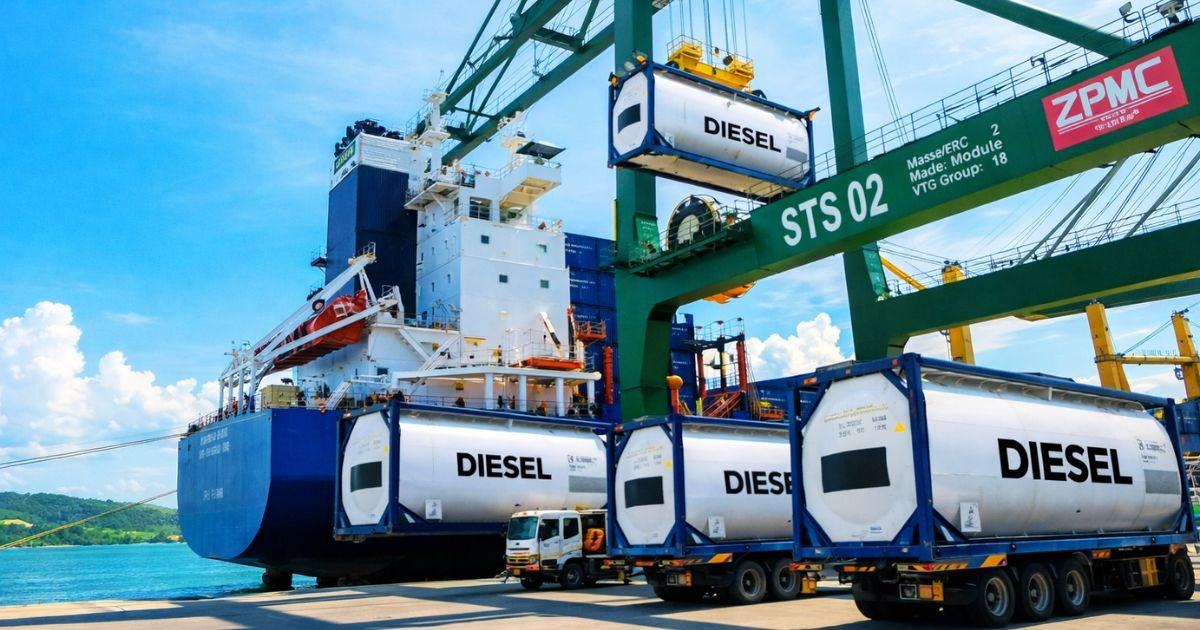
Among the recommendations for Washington is the creation of a humanitarian exception that would allow private importers to sell light fuel to Cuban hospitals and state medical centers to generate electricity.
The main argument is that since Cuba's healthcare system is state-run, excluding its institutions from current authorizations effectively prevents aid from reaching the facilities where most Cubans receive medical care.
Fuel and Energy are Crucial
"Energy is essential for virtually all humanitarian activities on the island. Hospitals need electricity; water must be pumped; medications and food require refrigeration," the document emphasizes.
The group also advocates for exempting fuel donations from third countries from sanctions and secondary economic measures, provided there are safeguards against diversion.
Ricardo Herrero, the executive director of the Cuba Study Group, suggested a specific mechanism to prevent abuse. "If the concern is that the Cuban government might seize fuel shipments and, instead of distributing them to those in need, resell them to gain foreign currency, the U.S. could allow the shipments and then impose secondary sanctions on the purchasers of any resold fuel."
Healthcare and Economic Measures
In the medical domain, the group calls for replacing the Department of Commerce's specific license requirements for donations of medicines and equipment with a broad general license that also covers payments, logistics, installation, and maintenance.
Additionally, it urges the Treasury Department to issue clear guidance and "safe harbor" protections so that U.S. banks can operate with authorized Cuban entrepreneurs, churches, and aid groups, aiming to establish "a formal and functional cross-border channel" for authorized trade.
Demands Toward the Cuban Government
Towards Havana, the group demands that the regime allow churches, non-governmental organizations, and private companies to receive and manage humanitarian funds in dollars without forced conversion to pesos and authorize the import and distribution of humanitarian fuel without channeling it through CUPET, the state oil company sanctioned by Washington in June.
The document acknowledges that the Cuban government bears "significant responsibility" for the structural failures that have left the country so vulnerable, but it also points out that the United States has a role in what it describes as a "de facto fuel blockade" that exacerbates the suffering of Cubans without having led to political changes.
The group criticizes the $100 million humanitarian aid package pledged by the Trump administration—distributed through the Catholic Church and trusted NGOs, with the first shipment departing Miami on July 21—as "woefully insufficient relative to the scale of the island's needs."
This declaration gains particular relevance following signals from Secretary of State Marco Rubio that both military escalation and a major negotiated agreement with Cuba are off the table for now, making humanitarian policy one of the few active tools available to both governments.
Key Questions About Cuba's Humanitarian Crisis and Policy Response
Why is the Cuba Study Group urging changes in humanitarian aid policies?
The group is urging changes to ensure that essential humanitarian aid can reach those most in need in Cuba, without being obstructed by political or bureaucratic barriers.
What are the specific measures proposed for U.S. policy?
Proposals include creating a humanitarian exception for fuel sales to hospitals and replacing specific license requirements for medical donations with a broad general license.
What demands are being made of the Cuban government?
Demands include allowing the receipt and management of humanitarian funds in dollars, and authorizing the import and distribution of humanitarian fuel without state intervention.