The Cuban government has initiated the deployment of generator sets to support 29 key water supply sources and pumps in Havana. This move is aimed at preventing prolonged power outages from cutting off water to hundreds of thousands of the city's residents.
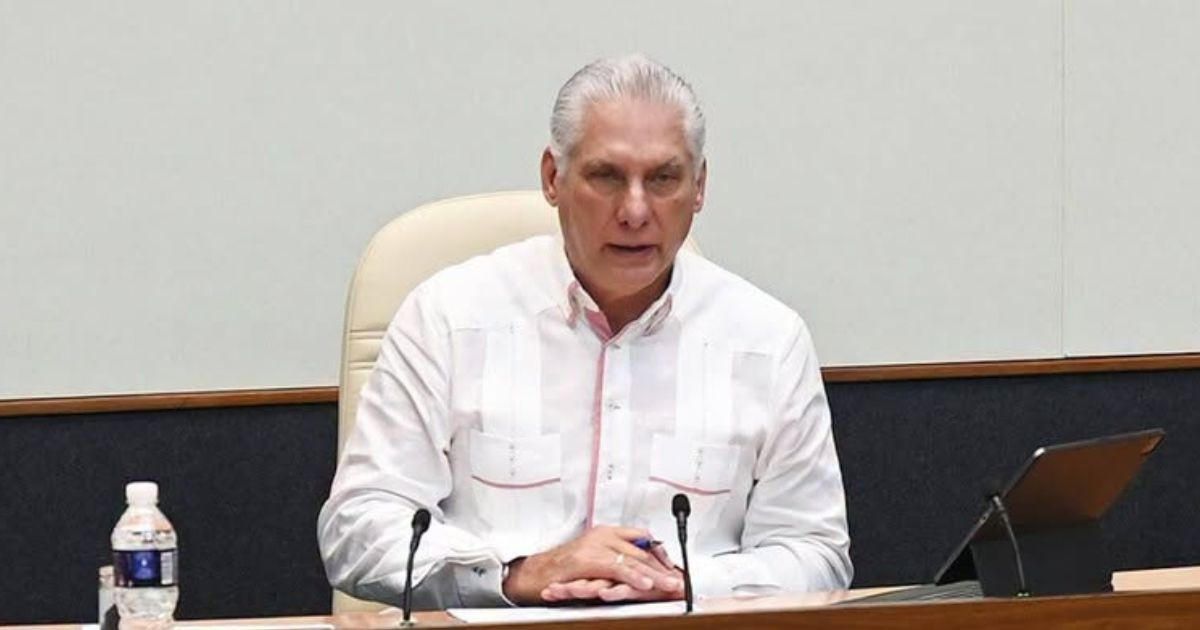
This decision was made during a meeting on Tuesday, led by Miguel Díaz-Canel, involving leaders and experts from the hydraulic and electrical sectors. The Cuban Presidency stressed the urgency of ensuring water pumping, describing it as an "unavoidable task."
The official report stated, "Generator sets from distributed generation are being mobilized to support the selected 29 water supply sources and pumps." To date, nearly 70 sites have been reviewed to determine how water pumping can be maintained despite power shortages.
Authorities are hopeful that these actions will mark a "turning point" in the dire situation in the coming months, although no specific timeline was provided for restoring normal service.
Beyond relying on generators, the government announced plans to enhance energy independence for water systems through solar photovoltaic parks, solar complexes, and energy storage systems at critical supply installations.
Vice Prime Minister Inés María Chapman also highlighted the need to address other issues unrelated to electricity, such as valve operations, leak repairs, equipment protection, and worker training.
Díaz-Canel promised regular monitoring of the situation. Recently, he visited the Paso Seco source in Boyeros, a crucial site for supplying water to southern and central Havana, which is currently undergoing maintenance and recovery.
The situation worsened on August 21 due to a rupture in a 78-inch pipeline in the South Basin, disrupting service in areas like Plaza de la Revolución, Diez de Octubre, Cerro, Central Havana, Old Havana, and parts of Boyeros.
The water supply issue is critically severe as the electrical and water crises are closely linked. Approximately 87% of Havana's pumping system relies on electricity, making extended blackouts capable of halting the facilities responsible for delivering water to homes.
In July, over half a million Havana residents already faced water supply challenges. The combination of days without water and electricity has led to numerous public complaints.
Emergency solutions attempted in August underscore the gravity of the issue. Authorities have begun installing 20 manual pumps in Eastern Havana, a project officially described as an "innovative manual pumping system," initially set to benefit over 3,000 people.
Understanding Havana's Water and Power Crisis
Why are generators being used for Havana's water supply?
Generators are being used to maintain water supply in Havana due to prolonged power outages that have disrupted the city's ability to pump water effectively.
What measures are being taken to address the water and power crisis in Havana?
Measures include deploying generators at key water supply sites, planning for solar energy solutions, and addressing non-electricity related issues like valve operations and leak repairs.
How are the electrical and water crises interconnected in Havana?
The crises are interconnected because 87% of Havana's water pumping system depends on electricity. Prolonged blackouts can halt water distribution to homes.
What areas in Havana are affected by the water supply issues?
Areas affected include Plaza de la Revolución, Diez de Octubre, Cerro, Central Havana, Old Havana, and parts of Boyeros.