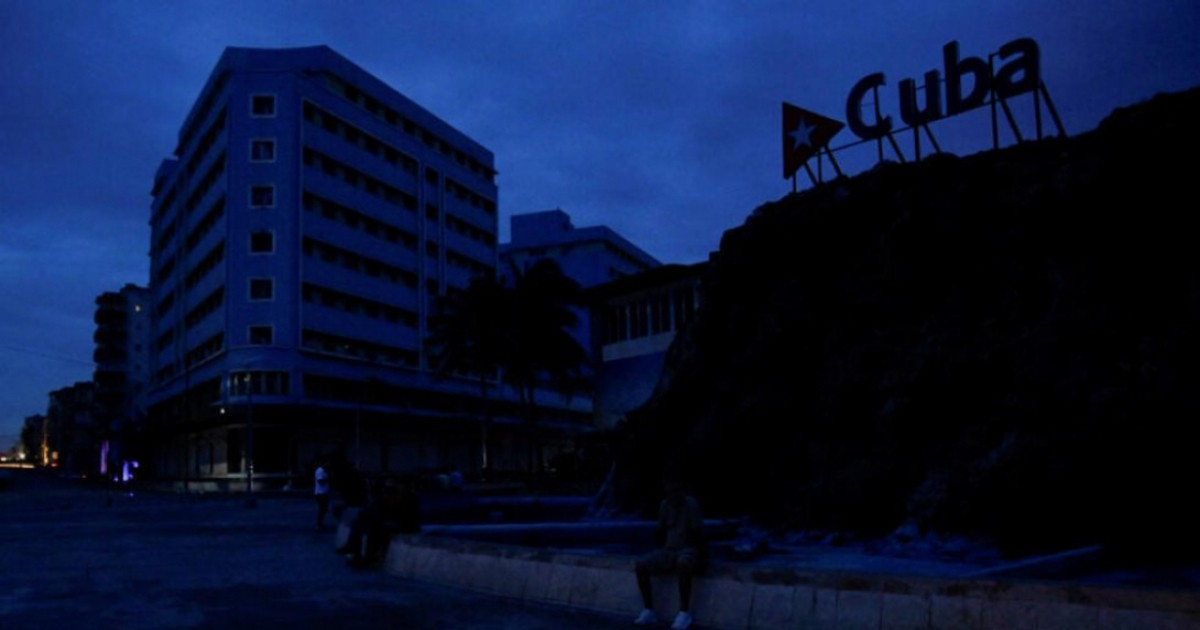
Residents of N Street in Vedado, Havana, took to banging pots and pans on Sunday after enduring more than a day without electricity. This event was reported on social media by Cuban journalist Mag Jorge Castro.
Castro posted on X, "Protest now in Vedado. Pot-banging on N Street. Over 24 hours without electricity."
This demonstration arises amid widespread dissatisfaction that has engulfed the Plaza de la Revolución municipality throughout the weekend.
Recent Unrest and Government Response
On the same Sunday, residents of El Fanguito—also located in Plaza de la Revolución and just a short distance from Vedado—took to the streets again for the second time in a month. About fifty people, mostly women, protested in the presence of a significant police and special forces operation that cordoned off parts of the area.
The most recent protests in El Fanguito occurred on July 30, when locals blocked Avenue 23 after being left without electricity, water, and gas for more than 48 hours.
Following that protest, State Security detained two mothers involved, a move that failed to quell the dissatisfaction.
Widespread Power Outages Across Havana
Additionally, on Sunday, residents of Lawton reported power outages lasting nearly 48 hours in the A465 circuit, covering the area between 8th and 16th Streets and powered by the Apolo substation in Arroyo Naranjo.
The pot-banging protest on N Street is not an isolated incident; Vedado has seen similar demonstrations nearly every month since March 2026. Documented protests include March 6, 15, 18, 22, and 23; April 17; May 13; June 3 and 24; and July 2, 12, and 17, with residents protesting after more than 30 hours without electricity.
Structural Crisis and Energy Deficit
These protests stem from a deep-seated electrical crisis that the government has been unable to resolve.
This Sunday, the Unión Eléctrica reported an available capacity of just 1,022 MW against a generation shortfall of 1,805 MW in the National Electric System.
Throughout August, Cuba experienced at least seven total system collapses in 2026, including two within 48 hours on August 2 and 3, and deficit peaks reaching 2,411 MW.
In some interior regions, blackouts lasted over 72 and even 87 consecutive hours. While the government blames the crisis on the U.S. embargo, independent media point to the outdated infrastructure and poor management of the energy system as the primary causes.
Understanding Cuba's Power Outage Crisis
What prompted the pot-banging protest in Vedado?
The protest was a response to over 24 hours without electricity, reflecting the growing frustration among residents due to frequent and prolonged power outages.
How has the government responded to these protests?
The government has deployed police and special forces to manage the protests, and has detained some participants. However, these actions have not stopped the demonstrations.
What are the main reasons for Cuba's energy crisis?
The energy crisis in Cuba is attributed to outdated infrastructure and poor management of the energy system, though the government also blames the U.S. embargo.