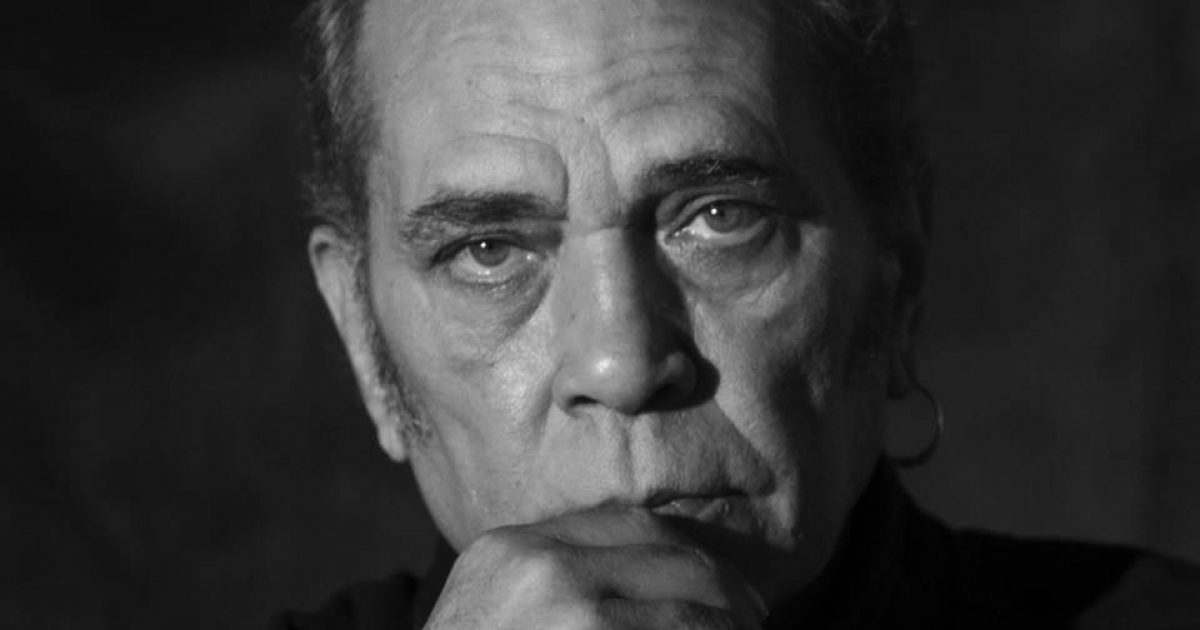
Cuban actor Luis Alberto García Novoa bid farewell to summer with a Facebook post dripping in irony, capturing the mood of countless Cubans: "Thank you very much for the wonderful summer you've given what's left of this citizenry," he wrote on Saturday, just before the 2026-2027 school year kicked off.
But García's message didn't stop there. He cautioned that starting Sunday, people should pay attention to the "course" of events in the new academic year, which he described as being "for the sleepy, depressed, and attention-deficit," encapsulating the exhaustion Cubans feel after enduring months of blackouts, shortages, and repression.
The Harsh Realities of a Cuban Summer
The summer García referred to with sarcasm was, by all available metrics, one of the toughest Cuba has faced in decades. The shortfall in electricity generation hit a record 2,400 MW in August, and there have been seven total collapses of the National Electric System this year. Some communities in Matanzas experienced power outages lasting up to 80 consecutive hours.
García documented this dire reality from his own home in the Playa municipality of Havana. On July 5, he reported 34 straight hours without electricity or water, and days later, he endured three days and nights without power, warning that "food is spoiling."
Criticism of Authorities and Social Tensions
On July 31, following the crackdown on protesters demonstrating against the blackouts, García condemned the authorities' actions as "unconstitutional and very, very undemocratic," adding, "This behavior, unfortunately, is no longer due to the blockade." Last Thursday, he reported a police operation near his home at the roundabout of 146 and 9th in Playa and questioned Díaz-Canel: "If the man in the interview assures the Brazilian that the vast majority supports him and his execution, what's the fear?"
Bleak Outlook for the New School Year
The conditions as the new school year begins on September 1 are equally grim. Education Minister Naima Trujillo admitted that only 20% of students would receive new uniforms, against a demand for 3.6 million garments that production failed to meet. The educational system also faces a shortage of thousands of teachers, with provinces like Camagüey and Holguín each having over 2,000 vacancies. The Communist Party of Cuba described this start as "another act of heroism."
Public Discontent Mirrors García's Sentiments
Comments on García's post mirrored the same despair. "This summer has been worse than a 3D horror movie," one user remarked. Another directly criticized those in power: "The disconnect between those in power in Cuba and the people is abyssal [...] CHANGES NOW." A third lamented the bleak future awaiting students: "Horrible what awaits them with absolutely nothing to start the school year, how sad."
Others focused on the plight of children. "It's terrible what awaits the students with nothing; it's very sad, and the government is completely disconnected from the people," wrote one. Another used dark humor: "This school year will be a real circus." A more succinct comment read: "Our children don't deserve this crap."
Understanding Cuba's Current Challenges
Why is the electricity shortage in Cuba so severe?
Cuba's electricity shortage is due to outdated infrastructure, lack of maintenance, and insufficient investment in energy generation, compounded by economic constraints and external embargoes.
What are the implications of the teacher shortage in Cuba?
The teacher shortage in Cuba affects the quality of education, increases class sizes, and places additional stress on the existing workforce, hindering students' learning experiences.
How are Cubans responding to the current social and economic crisis?
Cubans are expressing their frustration through social media, protests, and public discourse, calling for change and improvements in living conditions amidst ongoing hardships.