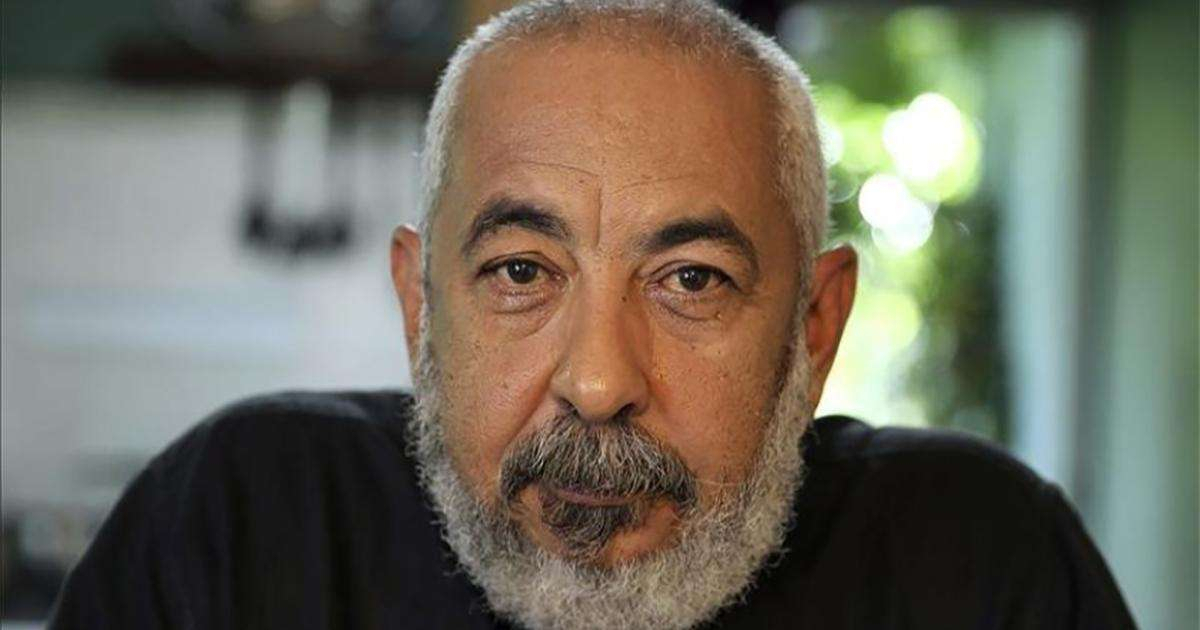
In a recent opinion piece published in the Spanish newspaper El País, renowned Cuban author Leonardo Padura delves into the profound crisis gripping Cuba, describing it as a "war for survival." He paints a vivid picture of his fellow countrymen as being "trapped in a time pit," consistently wondering, "How much longer?"—a question that echoes without an answer from the future or anyone else.
Padura, a distinguished writer from Havana, uses the concept of time as a central theme in his narrative. He explores it through the lenses of physics and literature before confronting its harshest reality: the existential crisis endured daily by millions of Cubans. "How long will this last?" he writes, noting that this question is perhaps the most frequently and accurately posed by his compatriots.
The Stark Reality of Daily Life
The picture he paints is stark: Cubans endure electricity for just "a couple of hours a day or sometimes none at all," with refrigerators reduced to mere cupboards. Summer nights are unbearable without fans, running water arrives only sporadically, with droughts lasting weeks or even months. Meals are cooked with charcoal due to fuel shortages, and even traveling for medical care is a challenge. Internet access is almost non-existent.
"All of this, and more, without bombings or invasions like those in Gaza or Ukraine," Padura emphasizes.
Collective Resignation and Survival
Padura describes the collective response to a situation that most cannot change—"because there are no mechanisms to do so"—as a form of internalizing the stress: "with anger yet resignation, with rum and reggaeton if possible, without counting the hours because the concept of time has become like another refrigerator, losing its meaning."
The Roots of the Crisis
The article traces the origin of the current plight back to the 1990s, when Cuba transitioned from a Soviet-supported existence to a harsh reality with a devastated economy. This, compounded by prolonged political ineptitude, has left the nation unable to recover economically.
Padura points to Washington's pressure policies as an additional factor exacerbating the current decline, resulting in restrictions that prevent essential resources like fuel from reaching the island. In response, the regime approved a set of 176 economic reforms in June 2026, including the authorization of private banking and pharmacies—measures Padura views as belated and potentially transformative, representing "a 180-degree shift in the country's socioeconomic structure."
This skepticism isn't new. In July, Padura warned that while the State might relinquish some economic control, it aims to maintain "the most important and efficient of its industries, control." He also remarked in May in La Vanguardia that Cuba has opted for superficial fixes where deep reforms were needed, affecting the social, political, and economic fabric.
Recognition and Ongoing Challenges
Padura's article appeared days after he received the Liber 2026 Prize for the most outstanding Hispanic-American author, awarded by the Federation of Publishers' Guilds of Spain, marking the first time a Cuban writer has received this honor.
The energy crisis he describes is backed by data: power generation deficits exceeding 2,000 MW and blackouts lasting more than 22 hours a day in some provinces. The National Office of Statistics and Information (ONEI) reported in July 2026 that Cuba ended the previous year with a negative migration balance of 245,264 people, reducing the island's effective population to 9,434,593.
Padura, who has reiterated his commitment to staying in Cuba, concludes his article by depicting millions "as victims of various political decisions coming from different fronts," unable to alter their circumstances. For those who can, emigration remains the only viable option: "Trapped in a time pit where they ask, 'How much longer?' and no one, not even the future, responds."
Understanding Cuba's Crisis: Key Questions Answered
What are the main challenges faced by Cubans as described by Leonardo Padura?
Leonardo Padura highlights challenges such as limited electricity, unreliable water supply, lack of fuel, difficulty in accessing medical care, and poor internet connectivity.
What does Padura identify as the root cause of Cuba's current economic problems?
Padura traces the root cause back to the 1990s when Cuba transitioned from Soviet support to a self-reliant economy, compounded by sustained political mismanagement.
How has the Cuban government responded to the economic crisis?
In June 2026, the Cuban government approved 176 economic reforms, including the introduction of private banking and pharmacies, though these measures are seen as overdue by many.