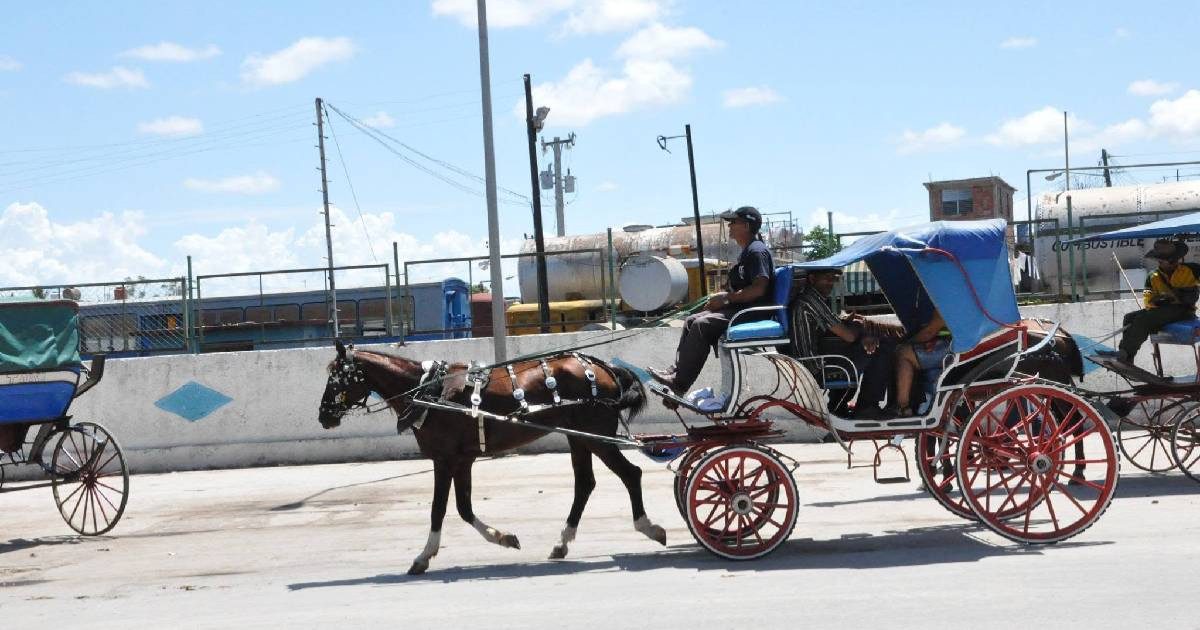
A horse pulling a carriage was brutally beaten until it collapsed on a street in Bayamo, after refusing to continue on the route to the Carlos Manuel de Céspedes provincial hospital. This incident, reported by the official newspaper La Demajagua, highlights the ongoing cruelty against draft animals in the Monument City.
The horse initially left the railway station but soon returned. Despite passengers pleading with him to stop the abuse, the driver repeatedly tried to make the horse move forward and ended up beating it. When the horse backed up and collided with the sidewalk, the passengers disembarked to avoid danger.
Another carriage was brought in to transport the passengers, while the horse remained motionless. The passengers were unaware of what eventually happened to the animal.
According to the local media, residents of Bayamo witness daily the mistreatment of horses pulling carriages. These animals endure beatings, whipping, overload, and long working hours, even facing verbal abuse, as if they understood their handlers' frustrations. This is particularly prevalent in a city relying on horse-drawn carriages as a primary mode of transportation due to the fuel crisis and rising costs.
Animal Welfare Legislation Ignored
Since 2021, Cuba has enforced Decree Law No. 31 on Animal Welfare, which prohibits the mistreatment, abuse, torture, abandonment, and cruel killing of animals. This law mandates that working animals should have their work hours and intensity limited, receive proper nutrition, and enjoy rest periods.
Despite regulations that include fines up to 4,000 pesos for violations, the report revealed that horses remain subjected to abuse, excessive loads, and extended working hours. The law assigns the National Center for Animal Health under the Ministry of Agriculture the responsibility to oversee and enforce animal welfare policies in collaboration with other institutions.
Ongoing Issue Across Cuba
These alarming practices prompt a crucial question posed by the report: Who in Bayamo ensures the enforcement of a law intended to protect these animals? The mistreatment of draft horses is a recurring issue throughout the island. In May, an incident in Holguín involved a driver whipping an exhausted horse for over an hour in public, as reported by the Animal Welfare Cuba organization.
In the same month, a horse in Sancti Spíritus collapsed, likely from heatstroke, with no veterinarian able to assist. Back in August 2024, horses in Mayabeque were left to withstand the sun's heat while their owners rested in the shade.
A structural issue exacerbates this problem: animal cruelty is not classified as a criminal offense in Cuba's Penal Code. Current penalties are purely administrative, and animal advocates have long demanded its inclusion in the criminal code, arguing that the existing fines are insufficient deterrents for violators.
FAQs on Animal Welfare in Cuba
Is animal cruelty illegal in Cuba?
While there are administrative penalties for animal cruelty under Decree Law No. 31 on Animal Welfare, it is not classified as a criminal offense in Cuba's Penal Code.
What does Cuba's Animal Welfare Law stipulate?
The law prohibits the mistreatment, abuse, torture, abandonment, and cruel killing of animals. It also requires that working animals have regulated work hours, proper nutrition, and rest periods.
Who is responsible for enforcing the Animal Welfare Law in Cuba?
The National Center for Animal Health under the Ministry of Agriculture is tasked with directing, executing, implementing, and controlling the animal welfare policy, alongside other institutions.