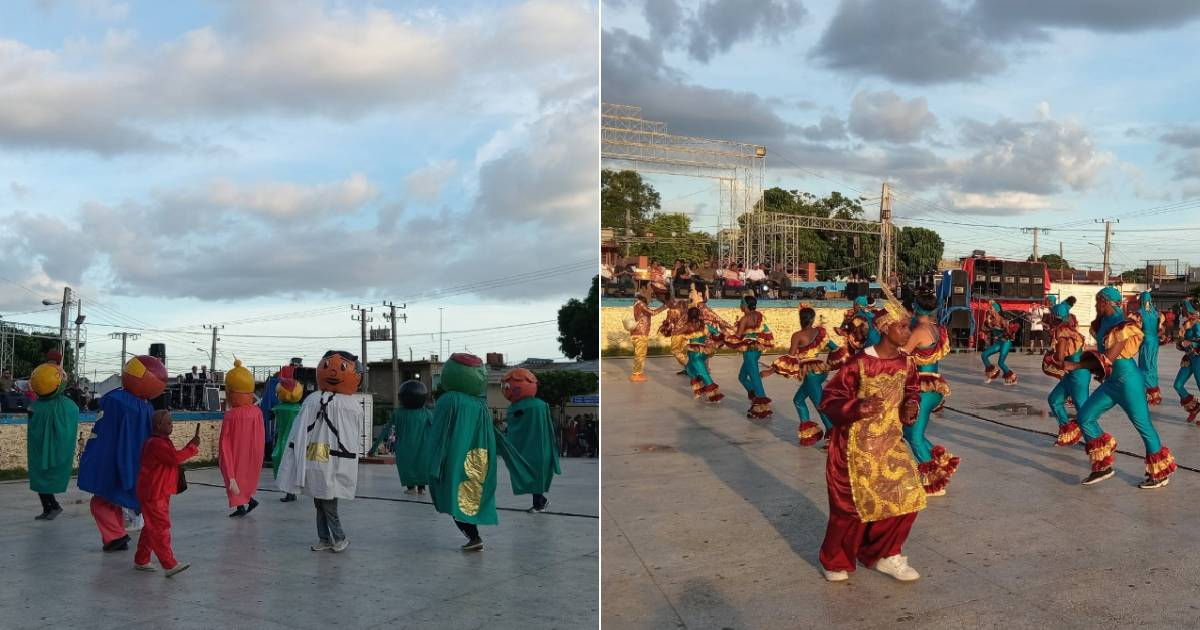
On Saturday, Guantánamo officials held a festive conclusion to Summer 2026 featuring roast pork, churros, piña colada, and cultural activities. However, on the same day, public transportation was halted in several areas due to a fuel shortage, according to an official statement.
The Municipal Administration Council announced that because of the "fuel deficit," the Urban Bus Unit would not operate, affecting neighborhoods such as Paraguay, Maqueisito, and other communities in the second ring of the city. Residents were advised to arrange their own transportation, as indicated by the pro-government Mi Guantánamo Facebook page.
This suspension coincided with the Guantanamera Night, an event scheduled from 6:00 pm to midnight on Calixto García street, offering food, music, and recreational options for families, as reported by the same source.
Festivities Amidst Fuel Crisis
Restaurants like El Saltadero, León de Oriente, and La Avellaneda were open at Plaza 24 de Febrero, alongside street vendors selling cotton candy, toys, popcorn, small bicycles, churros, and piña colada.
Various other establishments, including Jaibo, La Bodeguita y Noche Azul, Bayatiquiri, Guamá, Antillas, 1870, Los Corales, La Criolla, Venus, and México Lindo, also participated in the event.
The program further featured video and music screenings at Cine Huambo and the traditional Retreta in Parque Martí. The day's activities included a sports festival at the Pedro Agustín Pérez multifunctional plaza, performances by the Carpandilla Variety Company at Elpidio Valdés amusement park, and a book fair at Asdrúbal López bookstore, as reported by the Cuban News Agency.
Resource Disparities Highlighted
This juxtaposition underscores the uneven resource allocation amidst the province's ongoing crisis. While entire communities were left without transportation due to the fuel shortage, officials proceeded with a recreational agenda filled with cultural, gastronomic, and commercial activities throughout the day.
The fuel deficit has also impacted other vital services in Guantánamo. In August, garbage collection was hampered as trucks ran out of fuel, forcing reliance on wheelbarrows and animal-drawn carts.
The agricultural sector has suffered as well. Tons of mangoes rotted in Río Seco because Acopio entities lacked the means to collect the harvest.
Energy Crisis Worsens
The province's energy situation deteriorated further on August 27 when the entire eastern region of Cuba was cut off from the National Electroenergetic System after three thermoelectric units simultaneously went offline.
Guantánamo, the easternmost province in Cuba, relies on a solitary 110-kilovolt line from Santiago de Cuba to connect to the national grid, a setup that heightens its vulnerability to system disruptions.
This Saturday's events presented a stark contrast for the province's residents. While some communities scrambled for transportation alternatives due to the public transport suspension attributed to the fuel deficit, Guantánamo's city center hosted a summer-ending celebration complete with restaurants, vendors, music, and recreational activities.
Similar patterns emerged in other provinces over the summer. In Holguín, closing celebrations sparked outrage as they occurred amidst a severe energy deficit, condemning several areas to power outages lasting over 50 hours.
The San Joaquín Festivities in Guantánamo, held in mid-August, already hinted at this disparity. The official newspaper Venceremos acknowledged that the program was "adapted to the current real conditions of the territory," a phrase that encapsulates the entire summer experience in Guantánamo.
Impact of Fuel Shortage on Guantánamo
How did the fuel shortage affect public transportation in Guantánamo?
The fuel shortage led to the suspension of public transportation services, particularly affecting neighborhoods like Paraguay, Maqueisito, and others in the second ring of the city.
What other services were impacted by the fuel shortage in Guantánamo?
Aside from public transport, garbage collection and agricultural activities were significantly impacted. Garbage collection was hindered as fuel for trucks ran out, and tons of mangoes spoiled due to collection issues.
What events highlighted the resource disparity in Guantánamo?
The Guantanamera Night and other recreational activities showcased the uneven distribution of resources as public transport was suspended due to fuel shortages while celebratory events continued.