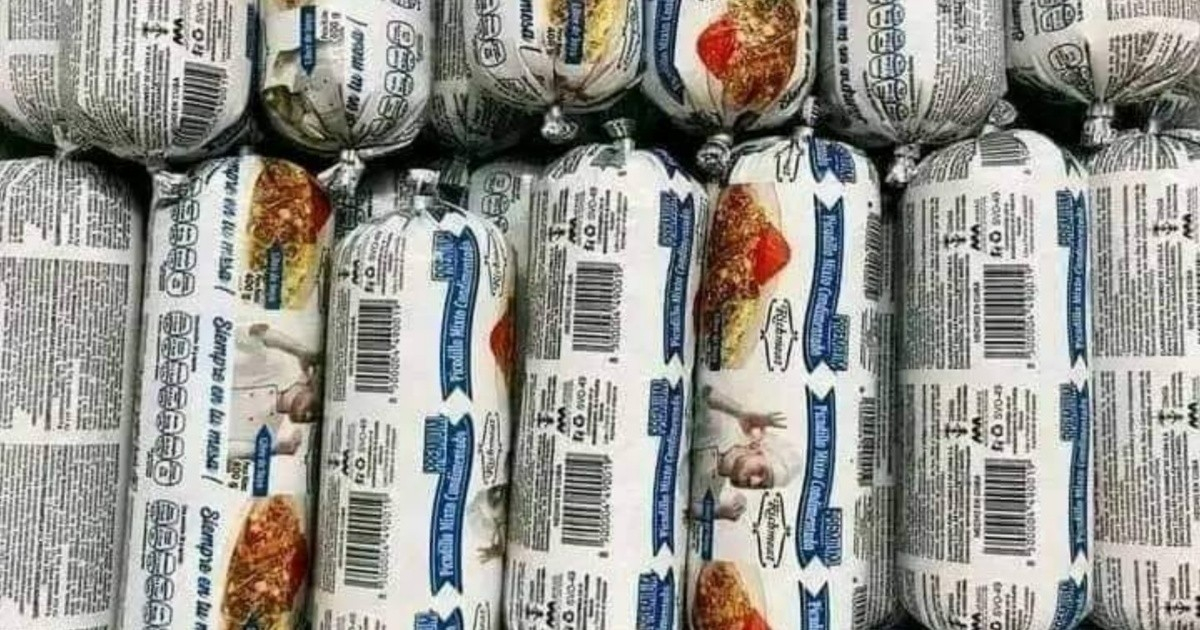
MDM chicken mince—the most affordable protein source available to countless Cuban families—has seen its price skyrocket from 450 to 600 pesos per pound within days. This alarming price hike was highlighted in a social media post, capturing the mounting desperation among low-income households across the island.
The post, authored by Osvaldo De Jesús Figueroa Pérez, refers to the product as "the daily staple for humble families, which represent the majority of our people," questioning the lack of apparent justification for this relentless increase: "If the dollar remains stable and the profit margin (up to 30%) is to be respected, what then justifies this unstoppable rise?"
This surge in chicken mince prices doesn't occur in isolation. Earlier this year, a pound was priced between 280 and 330 pesos in some markets; by June, it had climbed to around 450 pesos. The latest jump to 600 pesos coincides with widespread price chaos ignited by Resolution 150/2026. Signed by the Minister of Finance and Prices, Vladimir Regueiro Ale, on June 20, this resolution lifted national price caps on chicken, oil, powdered milk, pasta, and sausages.
Although MDM chicken mince wasn't explicitly mentioned in that resolution, the ripple effect was swift. Chicken packages soared from 3,000 to over 7,000 pesos in certain areas, and vegetable oil prices in Havana spiked to between 2,500 and 3,000 pesos per liter.
In response to the chaos, some provincial governments took independent action. On August 10, Matanzas set the price of chicken mince at 350 pesos per pound in retail, establishing hotlines for reporting excessive pricing. The Isle of Youth also capped the price at 550 pesos per pound, as announced by the local government in August. However, lacking a coordinated national effort, prices remain out of control across most regions.
The harsh reality is underscored by the official minimum wage, which has been 3,210 pesos per month since July—equivalent to about $4.65 at the informal exchange rate. Yet, meeting basic individual needs requires an estimated 96,000 pesos monthly. Official annual inflation surpassed 20% in July, with food and non-alcoholic beverages accounting for nearly two-thirds of the monthly consumer price index increase.
The collapse of the ration book system exacerbates the crisis. Mid-year, Alberto López Díaz, Minister of the Food Industry, admitted that the state had failed to supply oil, chicken, or yogurt through regulated channels. According to the Food Monitor Program, 96.91% of the Cuban population lacked adequate food access in April and May, with 33.9% of households having at least one member go to bed hungry.
The post sparking this outcry doesn't call for eliminating the private sector but advocates for sensible limits: "It's not about demonizing; it's about using logic for the people's benefit. We must curb the excessive rise in everyday food prices. How long will this continue?"
This question gains urgency as the school year approaches, squeezing family budgets further, and turning chicken mince—the last affordable protein refuge for millions of Cubans—into an unattainable luxury.
Understanding the Economic Crisis in Cuba
What is MDM chicken mince and why is it important in Cuba?
MDM chicken mince is a mechanically deboned meat product, serving as a low-cost protein source for many Cuban families. Its affordability makes it a crucial part of the diet for those with limited financial resources.
How did Resolution 150/2026 impact food prices in Cuba?
Resolution 150/2026, issued by the Cuban government, removed price caps on essential items like chicken and oil. This decision led to a dramatic increase in prices, contributing to the current economic instability.
What measures have been taken to control food prices in Cuba?
Some provincial governments have implemented their own price controls. For instance, Matanzas set chicken mince prices at 350 pesos per pound and introduced hotlines for price gouging reports, though a national strategy is lacking.